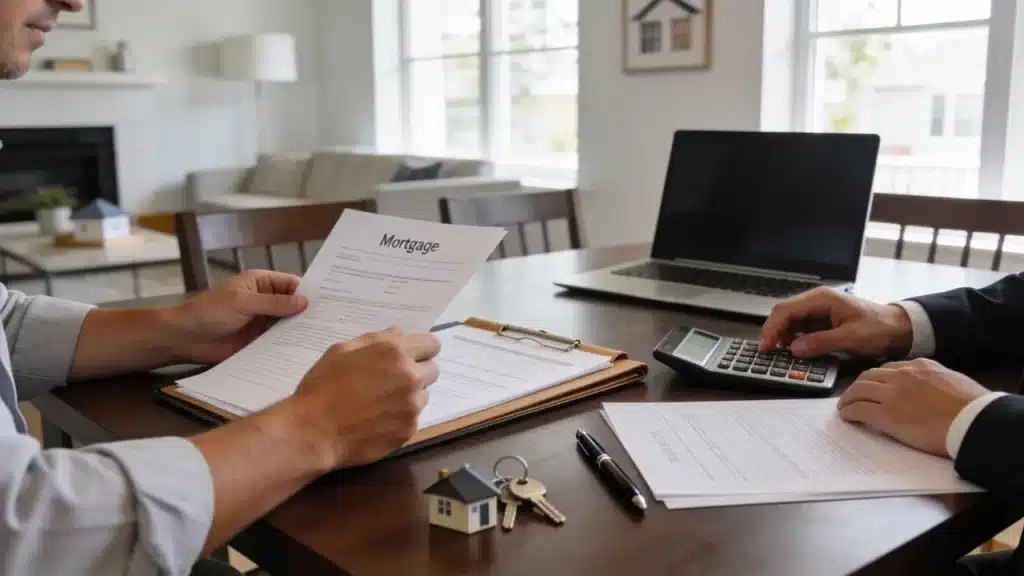
Property management can transform how you handle rental investments and tenant relationships.
Whether you’re a first-time landlord or an experienced investor, understanding professional property management can save time and increase profitability.
This comprehensive guide covers everything from basic definitions to future industry trends. You’ll discover different property types, fee structures, and how to select the right manager for your needs.
Many property owners struggle with daily operational tasks that drain their energy and resources. Professional management eliminates these headaches while protecting your investment value.
The rental market continues to grow as more people choose flexibility over homeownership. Savvy investors recognize that proper management directly impacts their bottom line and tenant satisfaction.
By the end of this article, you’ll have the knowledge to make informed decisions whether you manage properties yourself or hire professionals.
What Is Property Management?
Property management involves overseeing rental properties on behalf of owners. It covers everything from finding tenants to handling repairs and collecting rent.
Think of property managers as the bridge between landlords and renters. They handle the daily responsibilities so owners can enjoy passive income without constant involvement.
What Do Property Managers Do?
Property managers wear many hats throughout their workday. Their primary role begins with tenant screening, where they review applications and conduct background checks.
Rent is collected monthly, ensuring a steady cash flow for property owners. They also coordinate maintenance and repairs and respond promptly to tenant requests.
Marketing and leasing are crucial tasks. Managers advertise vacancies, show properties, and sign lease agreements with qualified tenants.
They handle accounting and compliance, tracking expenses, and ensuring properties meet local regulations. Tax reporting and financial statements are part of this responsibility.
When problems arise, managers address legal issues such as evictions and lease enforcement. They follow proper procedures to protect the owner’s interests while respecting tenant rights.
Why Property Management Matters?

Property management creates value for both owners and tenants in meaningful ways. For property owners, it saves time by eliminating daily operational tasks.
Owners can focus on other investments while professionals handle their properties.
Professional management significantly reduces vacancy periods through effective marketing strategies. Empty units cost money, so filling them quickly protects the bottom line.
Tenant retention improves when properties are well-managed and responsive. Happy tenants stay longer, reducing turnover costs and maintaining stable income.
Staying compliant with legal and regulatory requirements protects owners from costly penalties. Property managers understand local laws and keep properties up to code.
Tenants benefit equally from professional property management services. They get a single point of contact for all property-related concerns, eliminating confusion about who to call.
Faster maintenance response times keep tenants satisfied and properties in good condition. Issues get resolved quickly rather than lingering for weeks.
Professional lease enforcement ensures fair treatment for everyone involved. Rules apply consistently, creating a stable living environment where tenants feel secure and respected in their homes.
Types of Property Management
Understanding these categories helps owners choose the right management approach for their investments.
1. Residential Property Management
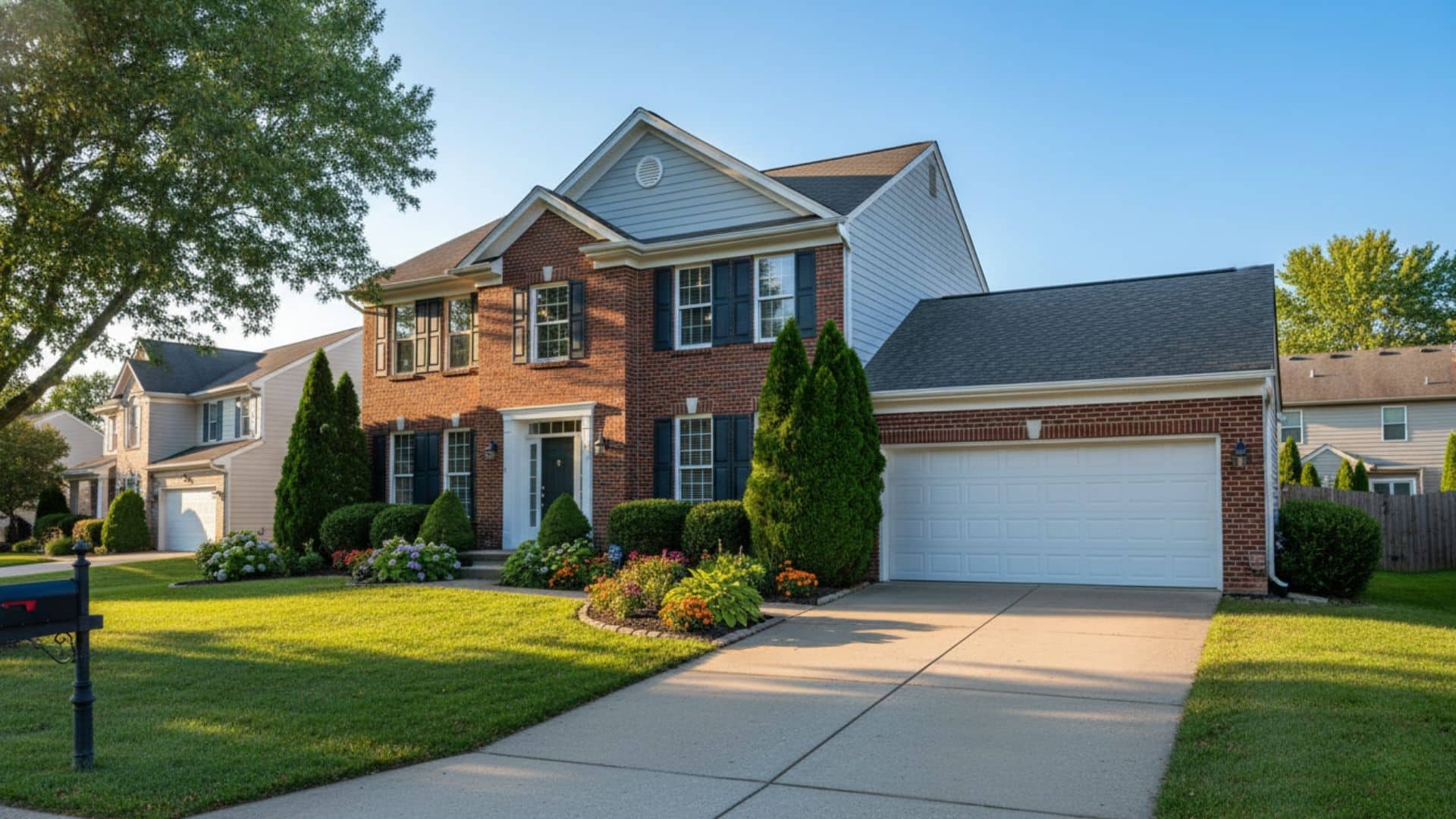
This covers single-family homes and multifamily apartments where people live long-term. Managers handle tenant relationships, lease agreements, and routine maintenance for residential communities.
Residential managers focus on creating stable, livable environments for families and individuals. They coordinate move-ins and move-outs and conduct regular property inspections.
The goal is to maximize occupancy rates while maintaining property condition. They screen potential renters carefully to ensure reliable, responsible tenants who pay on time.
Many residential managers also handle emergency calls after hours. This 24/7 availability ensures tenant safety and protects the property from damage caused by delayed responses to urgent issues.
2. Commercial Property Management
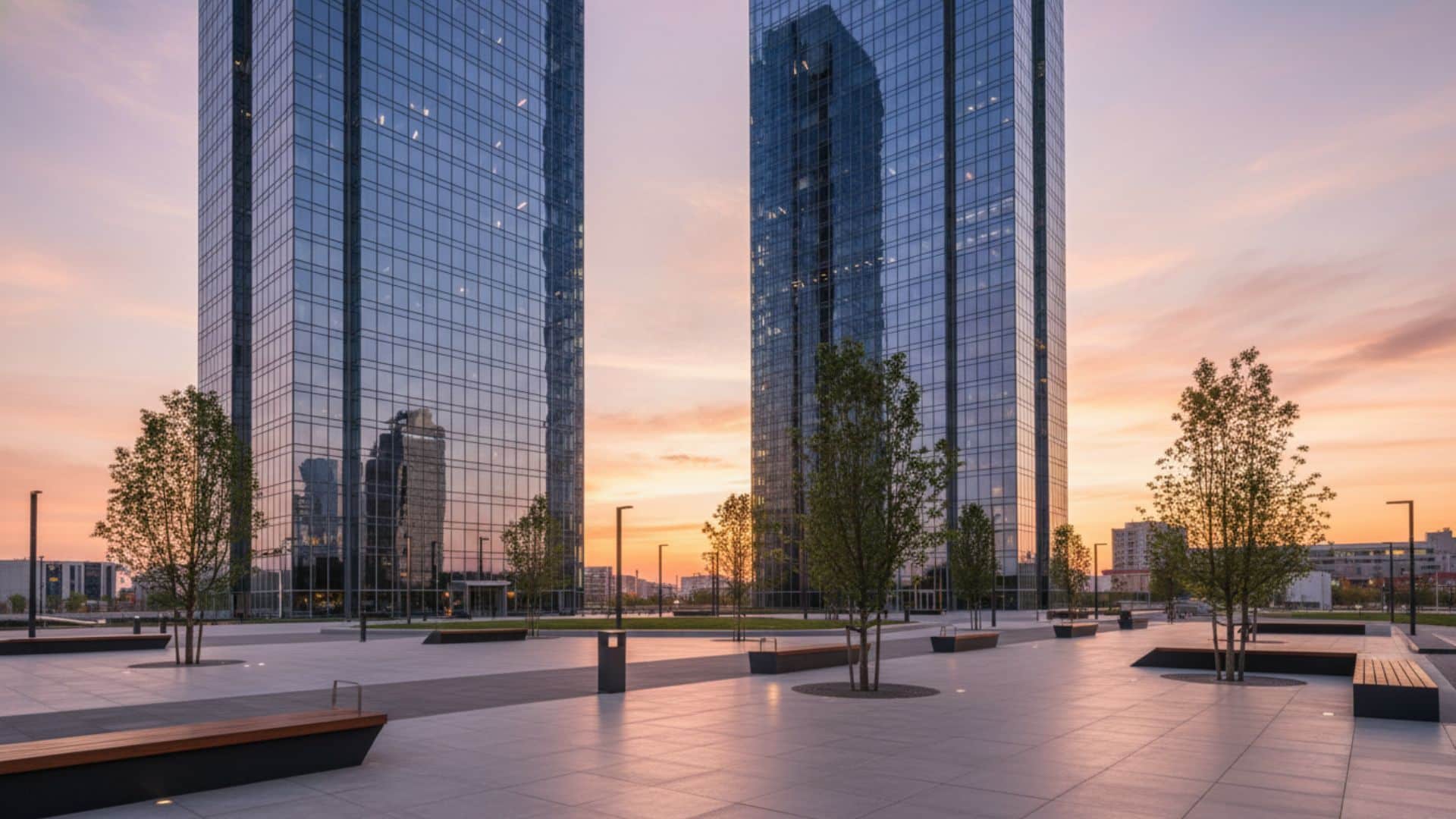
Office buildings, retail spaces, and industrial properties fall under this category. Commercial managers deal with business tenants, longer lease terms, and buildings that require specialized maintenance.
These properties often involve significant square footage and higher rental values. Managers negotiate complex lease agreements that may include percentage rent and CAM charges.
Managers must ensure properties meet accessibility standards and safety codes specific to commercial use.
They also manage vendor relationships for specialized services, including HVAC systems, elevators, and security infrastructure.
Tenant mix strategies help create synergistic business environments that benefit all occupants within the property.
3. Vacation & Short-Term Rental Management

Platforms like Airbnb and VRBO have created demand for short-term rental experts. These managers handle frequent turnovers, guest communication, cleaning coordination, and dynamic pricing strategies.
The vacation rental market operates differently from traditional property management models. Managers must optimize nightly rates based on seasonal demand, local events, and competitor pricing.
Guest experience is paramount in this sector. Managers provide welcome packages, local recommendations, and immediate support for any issues during stays.
They also manage online reviews and reputation, which directly impact booking rates. High-quality photos, detailed property descriptions, and quick response times to inquiries are essential for success.
4. Association & Community Management

Homeowner associations and condo associations need managers who understand community governance.
Association managers facilitate board meetings, prepare agendas, and record minutes for official documentation.
Standard area maintenance includes pools, clubhouses, landscaping, and shared facilities. Managers schedule regular upkeep and coordinate larger renovation projects approved by the board.
They also handle violation notices and homeowners’ architectural review requests. Balancing community standards with individual homeowner preferences requires diplomacy and clear communication.
5. Special Cases

Niche markets include student housing near universities with semester-based leases. Senior living facilities require sensitivity to resident needs and healthcare considerations.
Mixed-use properties combine residential and commercial spaces, requiring expertise in both areas to manage effectively.
Senior living communities need managers familiar with accessibility requirements and age-related accommodations.
Student housing operates on academic calendars with predictable turnover patterns each semester. Managers must coordinate group leases and handle parental guarantors.
Managers must balance residential tenants’ needs with commercial business hours, parking allocation, and shared space use among different tenant types.
How to Choose the Right Property Manager?
Selecting the right property manager protects your investment and ensures smooth operations. Look for professional certifications like CPM (Certified Property Manager), ARM, or RMP.
Local market expertise matters significantly because rental markets vary between neighborhoods. Experienced local managers understand competitive rates and landlord-tenant laws.
Evaluate their technology platforms, including online portals for rent payments, maintenance tracking systems, and accounting software that provides real-time financial reporting.
Communication quality directly impacts success, so assess their response times for both routine inquiries and emergencies.
Ask about their current property portfolio, average tenant retention rates, and vacancy periods between tenants. Request references from existing clients to verify their actual performance.
Review their complete fee structure, including any additional charges for services like leasing, renewals, or evictions.
Understanding their tenant screening process and marketing strategies helps ensure they’ll find quality renters quickly and maintain your property professionally.
Future of Property Management
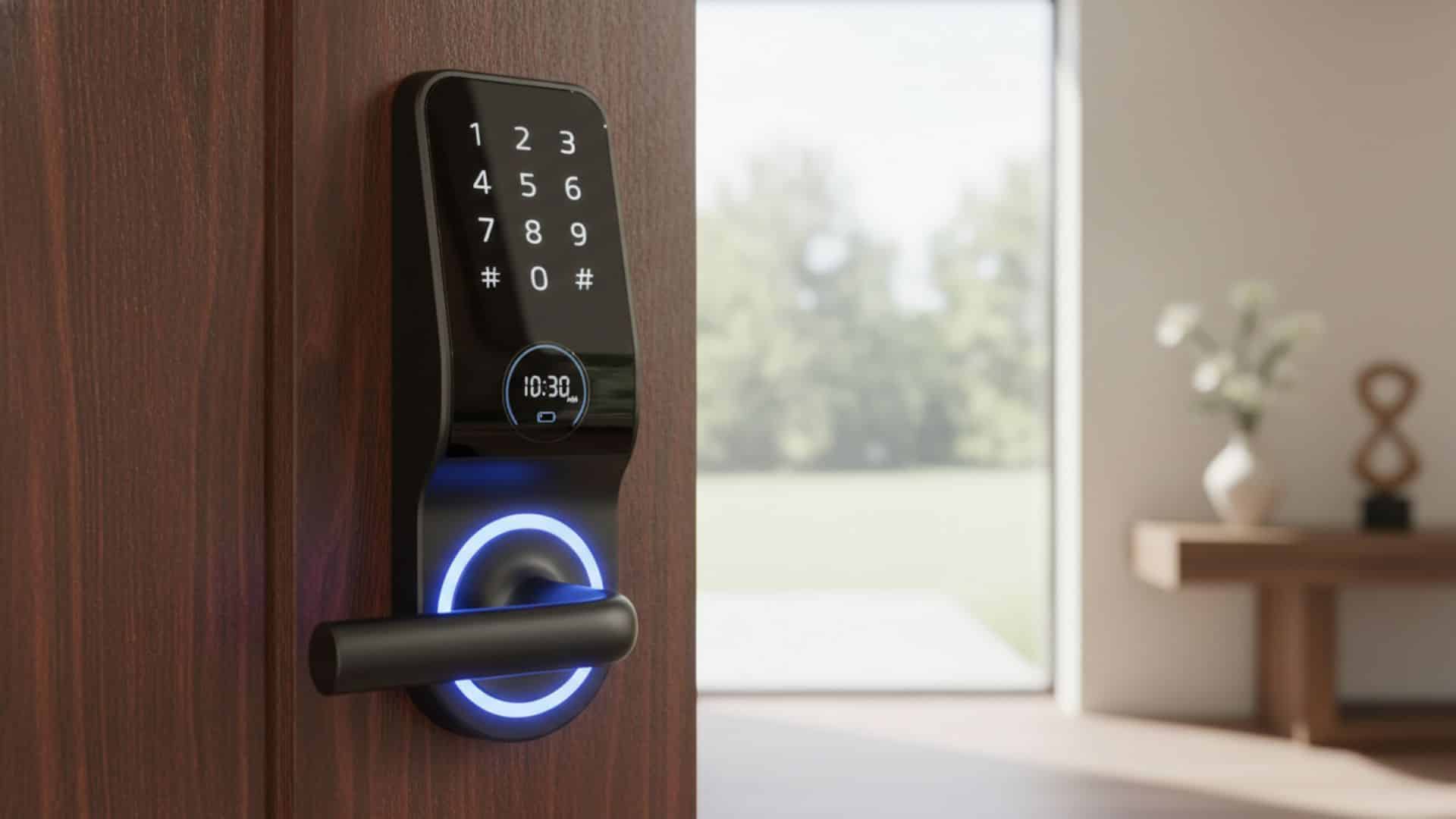
The property management industry is evolving rapidly with technology and changing renter preferences. Understanding these trends helps owners and managers stay competitive in dynamic markets.
1. Short-Term vs Long-Term Trends
The growth of rentals continues as homeownership becomes less accessible for many demographics. Millennials and Gen Z prefer rental flexibility over long-term mortgage commitments.
Remote property operations are transforming how managers work daily. Cloud-based systems allow oversight of multiple properties from anywhere with internet access.
Virtual tours and digital lease signings have become mainstream in recent years. These conveniences remain popular because they save time for both managers and prospective tenants.
2. Automation & AI
Chatbots handle routine tenant inquiries 24/7 without human intervention. They answer common questions about rent due dates, maintenance requests, and lease terms instantly.
Smart locks eliminate the need for physical key exchanges and provide secure remote access. Managers can grant temporary codes to contractors or new tenants without being physically present.
Predictive maintenance uses sensors and AI to identify problems before they become emergencies.
HVAC systems alert managers when filters need replacement or when components show early signs of failure.
Automated rent reminders and payment processing significantly reduce late payments. These systems send notifications before due dates and process transactions without manual accounting work.
3. Sustainability & Green Property Management
Energy audits identify opportunities to reduce utility costs and environmental impact. Professional assessments reveal where properties waste energy through inefficient systems or poor insulation.
Eco-friendly upgrades like LED lighting and low-flow fixtures appeal to environmentally conscious tenants. These improvements often pay for themselves through reduced utility expenses over time.
Solar panels and smart thermostats represent larger investments with significant long-term returns.
Properties with green features command higher rents and attract quality tenants who value sustainability in their living spaces.
Conclusion
Property management plays a crucial role in maximizing rental investment returns and maintaining property values.
From residential homes to commercial spaces, professional management ensures smooth operations and satisfied tenants.
The industry continues evolving with technology, automation, and sustainability becoming standard practices.
Successful property owners adapt to these changes while maintaining strong tenant relationships and financial performance.
Choosing the right management approach depends on your property type, investment goals, and available time.
Whether you’re considering hiring a property manager or improving current operations, these principles provide a solid foundation for success.
Share your biggest property management challenge or success story in the comments below. Your insights help other investors navigate their rental journey more effectively.
Frequently Asked Questions
Is Property Management a Difficult Job?
Yes, due to diverse responsibilities, demanding tenants, emergency situations, legal compliance requirements, and constant problem-solving across multiple properties simultaneously.
How Do Property Managers Get Paid?
Property managers typically earn 8-12% of monthly rent, plus leasing fees, maintenance markups, and additional charges for services like renewals and evictions.
What Does the 80/20 Rule Mean in Property Management?
The 80/20 rule suggests 20% of tenants create 80% of problems, or 20% of efforts produce 80% of results in operations.
What Are the 5 P’s of Property Management?
The 5 P’s are People (tenants/owners), Property (physical asset), Processes (systems/procedures), Performance (financial results), and Promotion (marketing/leasing activities).