In a world of hybrid work and relaxed office norms, dressing business professional remains a timeless standard. It’s the uniform of credibility. The armor of confidence.
And yes, it still matters, especially when you’re stepping into a boardroom, meeting a client, or interviewing for your dream role.
But what exactly does business professional mean today? How is it different from business casual? And how do you nail the look without overthinking it?
This guide provides a comprehensive overview of everything you need to know about business professional attire.
You’ll learn the core elements, see real-world examples, and understand when to dress up or dial it down. By the end, you’ll feel confident walking into any professional setting.
What Is Business Professional Attire?
Formal workplace attire is the most formal dress code in the workplace. It’s what you wear when first impressions count. Think law firms, finance offices, executive meetings, and job interviews.
This style has roots in traditional corporate culture. Decades ago, suits and ties were the only option. Today, the rules have softened slightly. But the core idea remains: polished, structured, and respectful.
You’ll find this dress code in corporate offices, consulting firms, banks, and government roles. It’s also expected at formal networking events and high-stakes client meetings.
Here’s the key business professionals signal authority and competence. It tells people you take your role seriously. And in many industries, it’s still non-negotiable.
Business Professional Attire for Men

First impressions matter, and your outfit often speaks before you do. Corporate attire helps men project confidence, credibility, and respect in formal workplace settings.
Let’s start with the basics. If you’re a man dressing for a professional environment, here’s what you need to know.
1. The Suit
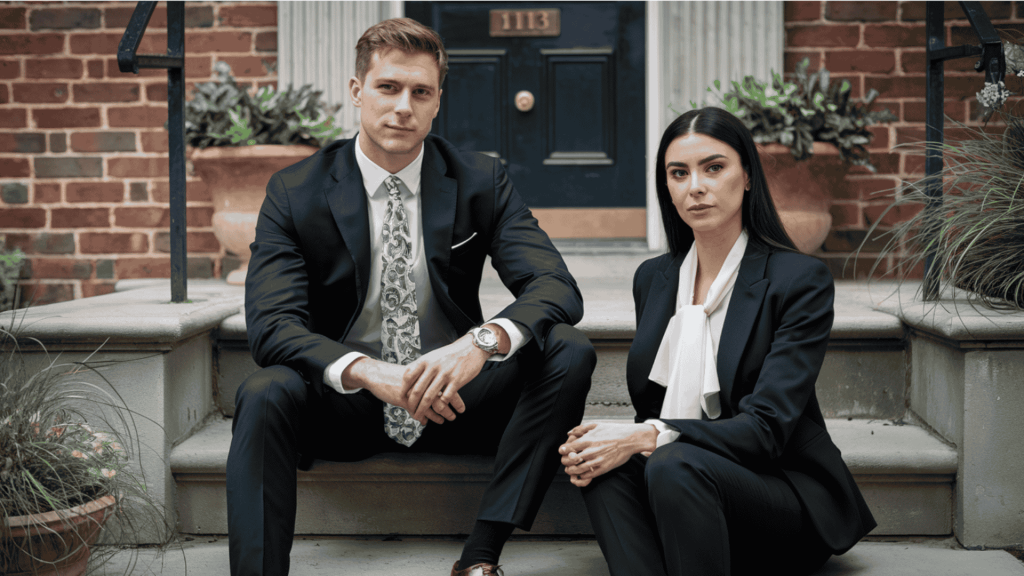
A well-fitted suit is the foundation. Stick to navy, charcoal, or black. These colors work in any season and pair well with most shirt colors.
Fit matters more than brand. Your jacket should sit flat on your shoulders. Sleeves should end at your wrist bone. Pants should break slightly at the shoe.
Choose wool or wool-blend fabrics. They breathe well and hold their shape.
2. Dress Shirt & Tie
White and light blue shirts are safe choices. They match nearly every suit color. Avoid loud patterns or casual fabrics, such as linen.
Your tie should reach your belt buckle. A simple Windsor or half-Windsor knot works best. Silk ties in solid colors or subtle patterns are ideal.
3. Shoes & Accessories
Leather dress shoes in black or brown are a must. Polish them regularly. Your belt should match the color of your shoes. A simple watch adds a professional touch. Skip the flashy jewelry.
4. Grooming & Presentation
Keep your hair neat and facial hair well-trimmed. Nails should be clean, and fragrance minimal or none at all. Good grooming reinforces the professionalism your attire conveys.
Pro Tip: Invest in tailoring. Even an affordable suit looks great when it fits well
A polished appearance isn’t just about style; it’s about discipline and respect. When you present yourself professionally, you’re ready to lead with confidence.
Business Professional Attire for Women

Women have more flexibility in corporate attire, but that freedom comes with the responsibility to strike a balance between style and sophistication. The goal is to project confidence through structure, polish, and attention to detail.
1. Suit Options
A pantsuit or skirt suit in black, navy, or gray is a classic choice. The blazer should be altered to fit. Skirts should hit at or just below the knee. You can also pair a blazer with dress pants or a pencil skirt. Just keep the look cohesive.
2. Tops & Blouses
Choose blouses in neutral or muted tones. Avoid low necklines or sheer fabrics. Button-ups, shell tops, and silk blouses are all suitable options. White, cream, and pastels are safe bets. They pair well with darker suits.
3. Shoes & Accessories
Closed-toe heels or flats in black, brown, or nude are best. Maintain a heel height between 1 and 3 inches for optimal comfort and professionalism. Jewelry should be minimal. A watch, small earrings, and a simple necklace are all that’s needed.
Avoid oversized or noisy accessories. Makeup should be subtle. Aim for a natural, polished look.
4. Common Mistakes to Avoid
Don’t over-accessorize. Skip the casual fabrics, such as cotton jersey or denim blends. Avoid open-toe shoes or sandals in formal settings.
Dressing as a business professional is about refinement, not restriction. When each element of your outfit works together seamlessly, it communicates confidence, credibility, and respect for your professional environment.
Business Professional vs. Business Casuals
Confused about when to wear what? Here’s a clear breakdown.
| Aspect | Business Professional | Business Casual |
|---|---|---|
| Men’s Attire | Full suit with tie, dress shoes | Dress pants with a button-up shirt (no tie), loafers |
| Women’s Attire | Suit or blazer with dress pants/skirt | Blouse with dress pants or skirt (no jacket required) |
| Shoes | Polished leather dress shoes | Loafers, flats, clean leather shoes |
| Accessories | Minimal, professional | Slightly more relaxed, but still appropriate |
| When to Wear | Interviews, client meetings, court, and executive presentations | Regular office days, team meetings, casual Fridays |
Business professional means you’re representing the company at its highest level. Business casual gives you breathing room while still looking put-together.
Pro Tip: If you’re unsure, ask HR or observe what senior leaders wear.
In hybrid workplaces, many companies now use “dress for your day” policies. Meeting with clients? Go professional. Working from home or internal meetings? Business casual is fine.
Tips to Nail the Business Professional Look
Want to stand out for the right reasons? Follow these expert tips.
1. Fit Over Fashion: A $200 suit that fits perfectly beats a $2,000 suit that doesn’t. Get your clothes altered to fit. It’s worth the investment.
2. Color Psychology: Colors send signals. Navy suggests trust and stability. Charcoal gray conveys authority. Black is classic and formal. Avoid bright or neon colors in professional settings. Save those for casual wear.
3. Fabric Quality & Maintenance: Invest in wrinkle-resistant fabrics. Wool, wool blends, and high-quality cotton are the best options. Dry clean your suits regularly. Iron your shirts. Remove lint before you leave the house.
4. Seasonal Considerations: In summer, choose lighter fabrics like tropical wool. In winter, layer with vests or heavier wool suits.
In the U.S., the climate varies widely. A suit in Miami looks different from one in Chicago. Adjust accordingly.
Common Mistakes Professionals Make
Even the most polished professionals can misstep when it comes to attire. Small errors in judgment can undermine an otherwise strong first impression, especially in settings where appearance speaks before words.
- Overdressing or Underdressing: Know your industry. Tech companies may be more casual. Finance firms are stricter.
Wearing Loud Patterns: Bold stripes or flashy prints distract from your message. Stick to solids or subtle patterns.
Neglecting Grooming: Wrinkled shirts, scuffed shoes, and unkempt hair hurt your image. Details matter.
Relying on Outdated Styles: Fashion evolves. If your suit looks like it’s from 2005, it’s time to update. - Key Consideration: When in doubt, err on the side of being slightly overdressed. It’s easier to remove a tie than to produce one magically.
Ultimately, professionalism is about the balance between expression and expectation. Mastering these small details ensures your wardrobe enhances your credibility, not distracts from it.
Conclusion
Business professional attire isn’t just about clothes. It’s about showing respect for your role, your company, and yourself.
When you dress the part, people notice. They take you seriously. They trust your judgment. And you feel more confident in your own skin.
Remember, fit matters more than price. The right tailoring can make even a simple outfit look exceptional. Details make the difference.
Polished shoes, pressed fabrics, and subtle accessories all signal credibility. And when in doubt, always lean more formal than casual.
Whether you’re preparing for a big interview, a client presentation, or your first day in a corporate role, business professional attire helps you project confidence, competence, and respect, the qualities that define true professionalism.