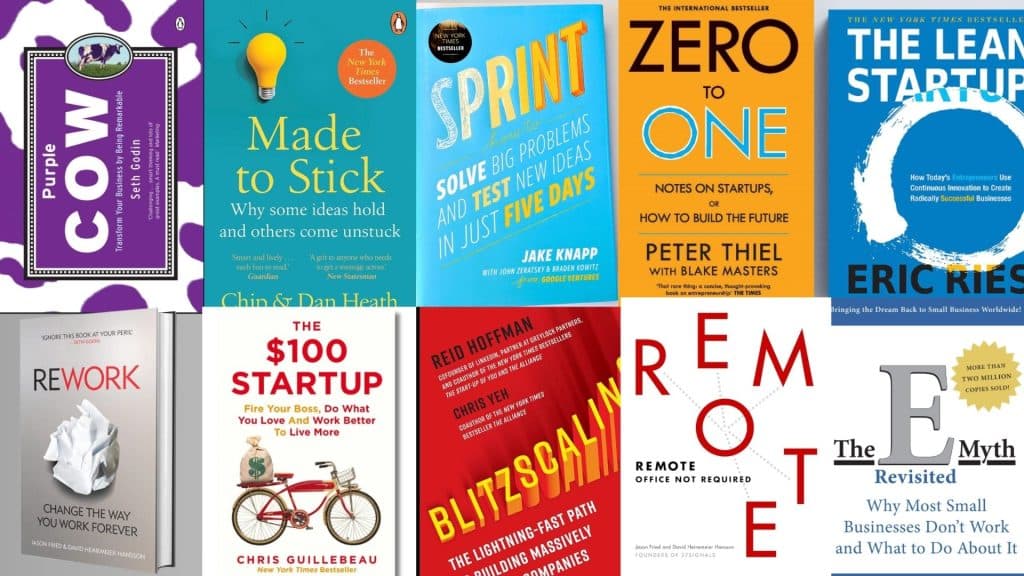
Which Books Do Successful Founders Read Before Launching?
Before launching their companies, many successful founders turn to the wisdom packed inside the best startup books. These aren’t just stories; they’re playbooks built on real experience.
Inside these pages, you’ll find time-tested strategies for refining ideas, attracting customers, and leading teams. Shaping your concept or gearing up for growth, the right book can guide you through the next step.
In this guide, we’ve assembled the best startup books that cover everything from idea validation to scaling operations.
Each title is chosen to help you solve key challenges every founder faces. Instead of learning the hard way, learn from those who’ve already built strong, resilient businesses.
Why Reading Startup Books Matters?
Startup books offer proven solutions to these common problems. They share real stories from people who built successful companies. You learn what worked and what didn’t. This saves you time and money.
Reading also shapes your mindset. Building a company means facing rejection and setbacks. Books show you how other founders pushed through similar challenges. This helps you stay motivated when things get hard.
Key benefits of reading startup books:
- Learn from others’ mistakes without making them yourself
- Find step-by-step methods for building your business
- Understand how to manage teams, money, and growth
- Build mental toughness for the difficult moments
- Stay updated on current business practices
You don’t need an MBA to start a company. But you do need the right knowledge. Books give you access to insights that successful founders have taken years to learn.
Best Startup Books Every Entrepreneur Should Read
Startup books offer practical advice, tested methods, and clear strategies from those who’ve built companies before you.
This list comprises 21 titles that can guide you through each stage of your entrepreneurial journey.
1. The Lean Startup by Eric Ries
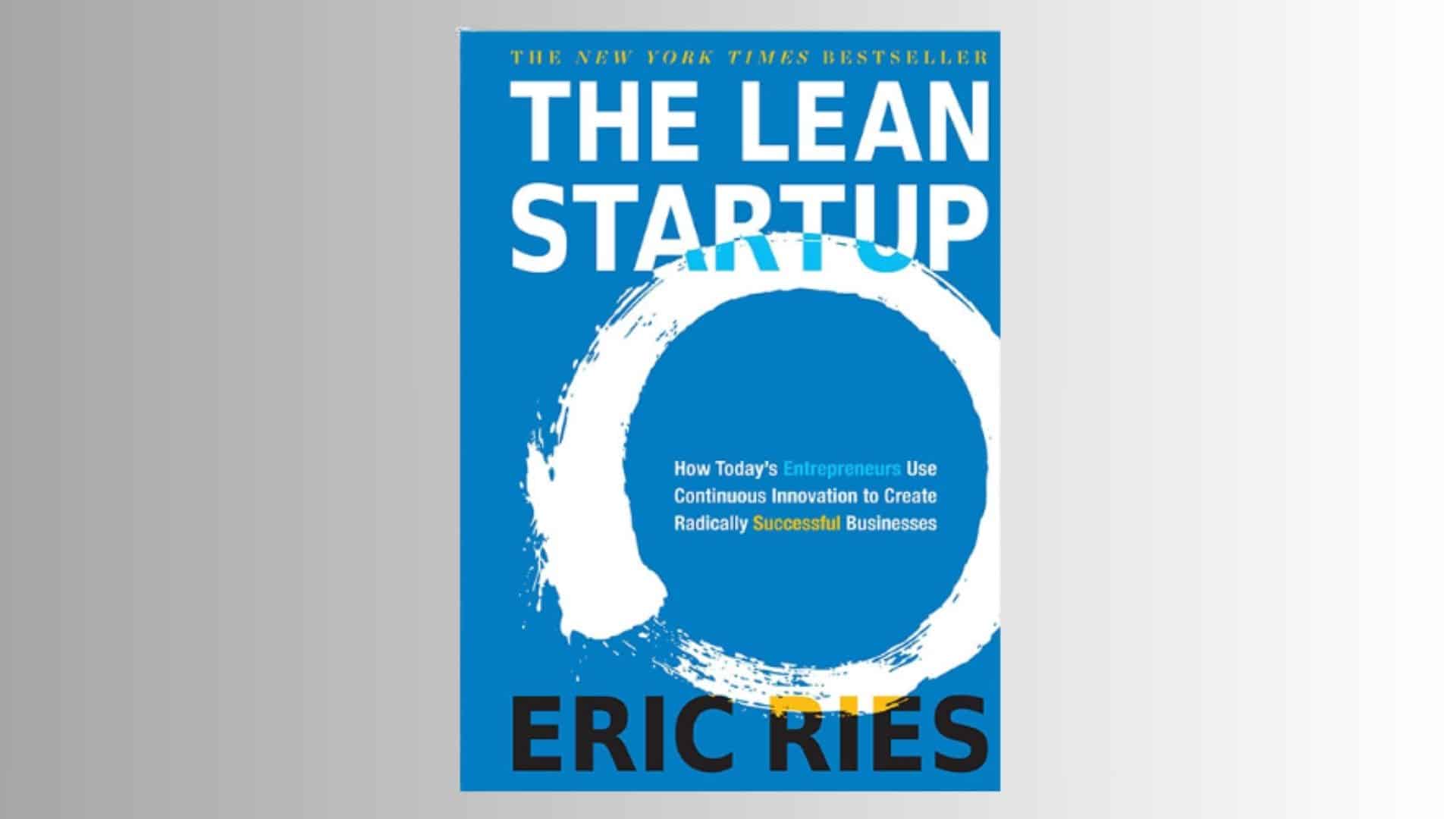
The book teaches validated learning. This means making decisions based on real customer behavior, not guesses. You waste less money on features people don’t want.
Best for: First-time founders who want to test their ideas without spending too much money.
Key takeaway: Don’t build the full product first. Build the smallest version possible and see if people actually want it.
2. Zero to One by Peter Thiel
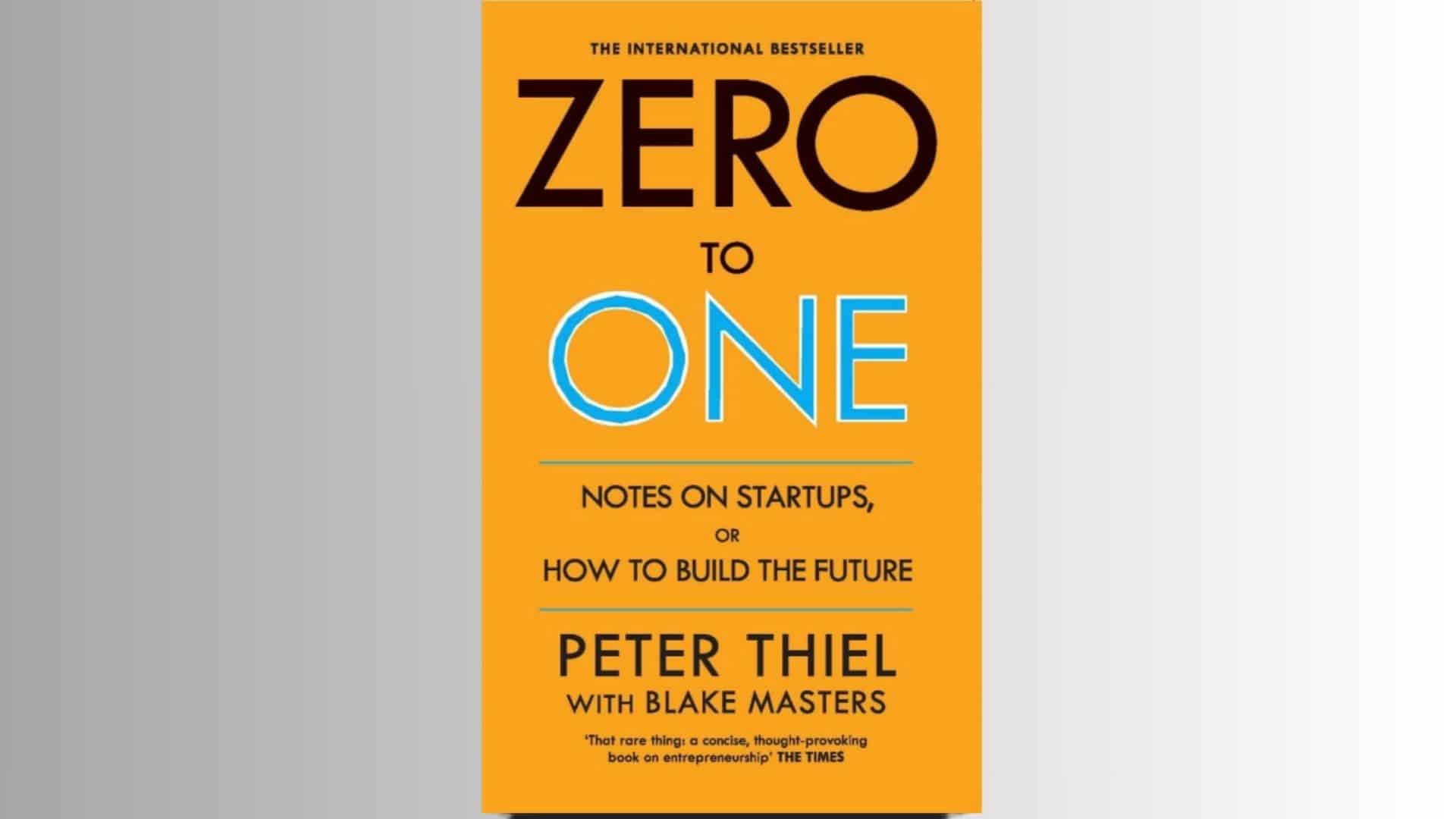
Peter Thiel, who co-founded PayPal, shares his views on innovation. He argues that copying what works is a straightforward approach. Creating something new is hard, but more valuable.
Best for: Founders who want to build truly original companies and think differently about competition.
Key takeaway: Don’t compete in crowded markets. Create something so different that you’re the only option.
3. The Hard Thing About Hard Things by Ben Horowitz
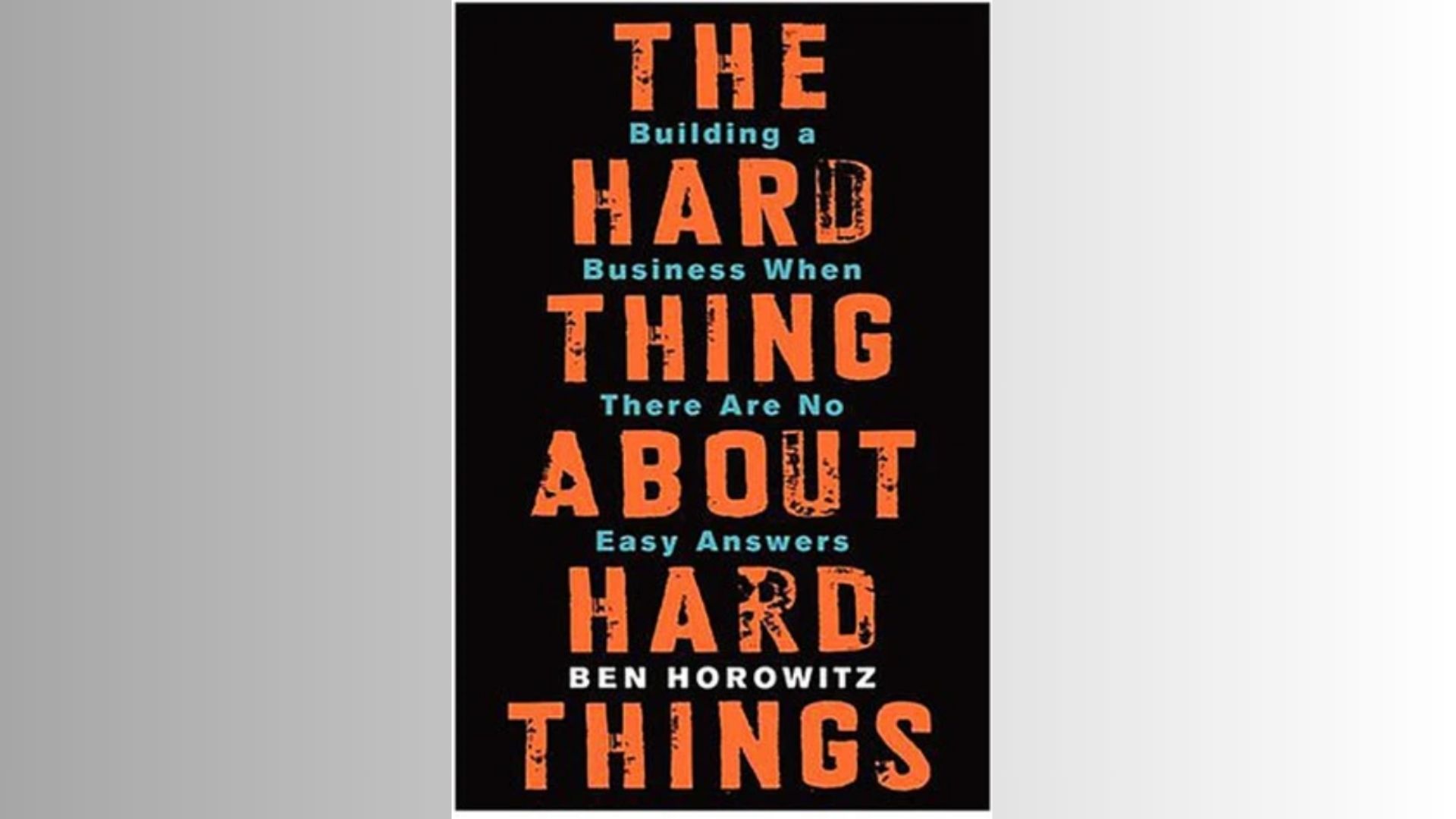
Horowitz shares stories from his time running Opsware. The company nearly failed multiple times. He explains exactly how he handled each crisis.
Best for: Founders facing tough times who need practical advice on hard decisions.
Key takeaway: Being a CEO means making difficult choices. The best leaders don’t avoid hard conversations—they prepare for them.
4. The Startup Owner’s Manual by Steve Blank
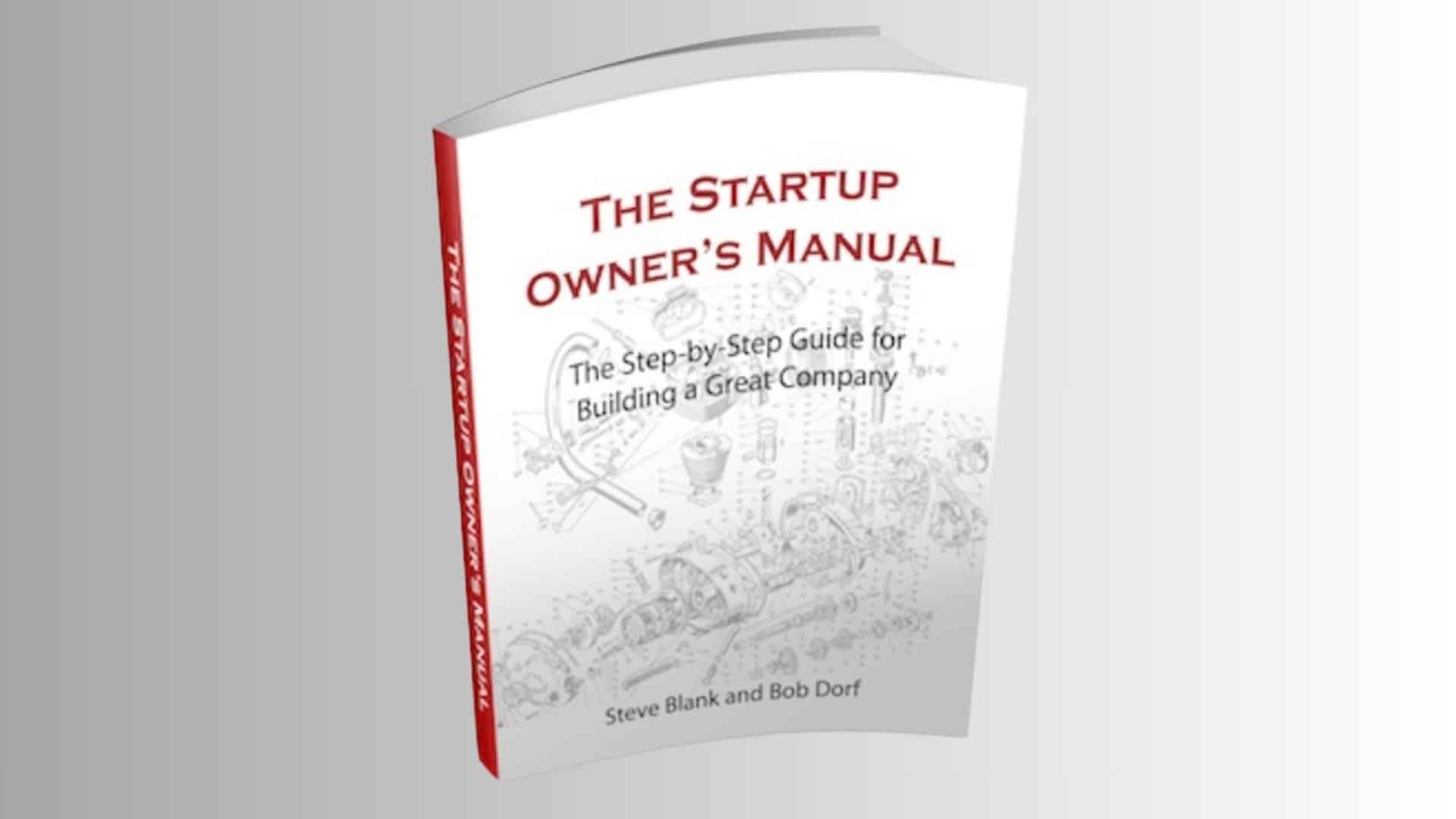
Steve Blank created the customer development framework. This book is a complete guide to building a startup from scratch.
Best for: Individuals seeking a structured, step-by-step approach to launching a company.
Key takeaway: Speak with customers before you begin development. Understand their problems first, then create solutions.
5. Rework by Jason Fried and David Heinemeier Hansson
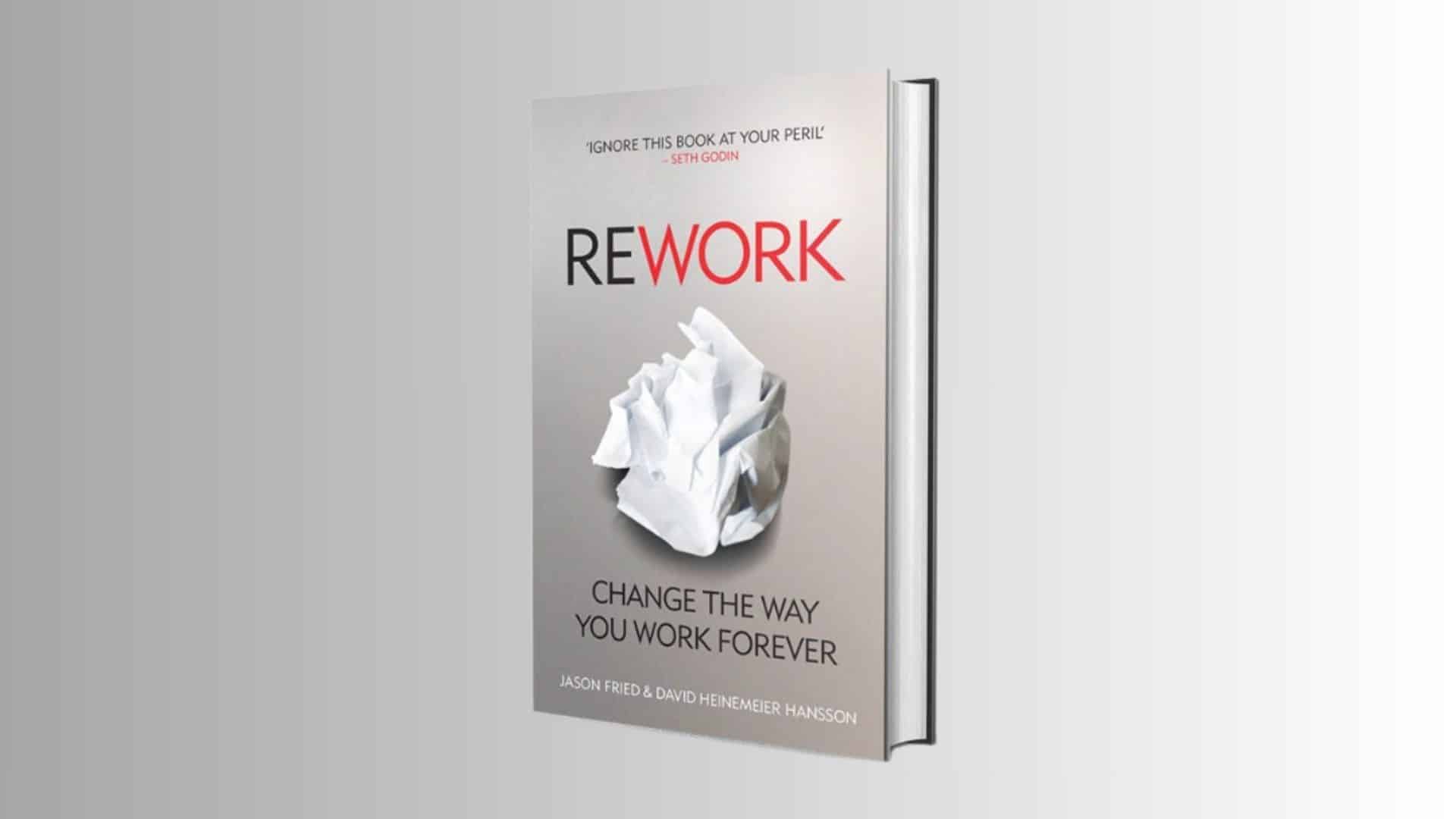
The founders of Basecamp wrote this book to challenge traditional business thinking. They believe most business advice is wrong.
Best for: Founders who want to build profitable businesses without raising venture capital or working 80-hour weeks.
Key takeaway: You don’t need to be big to be successful. Small, focused companies can be highly profitable.
6. The $100 Startup by Chris Guillebeau
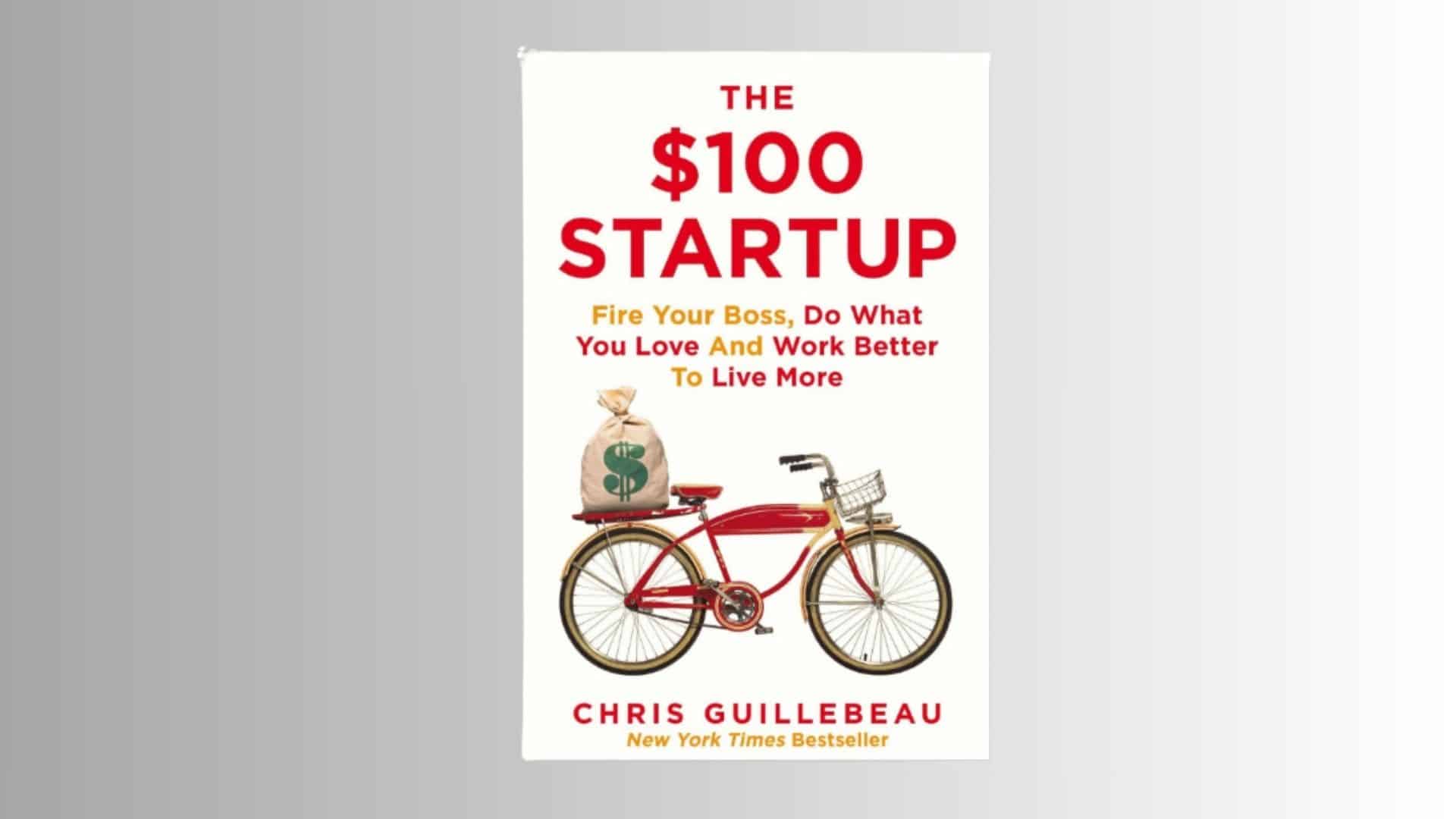
Chris Guillebeau studied over 1,500 people who built businesses with less than $100. This book shares what he learned.
Best for: Anyone who wants to start a business but thinks they need a lot of money or special skills.
Key takeaway: The barrier to starting is lower than you think. Focus on helping people solve problems.
7. Hooked by Nir Eyal
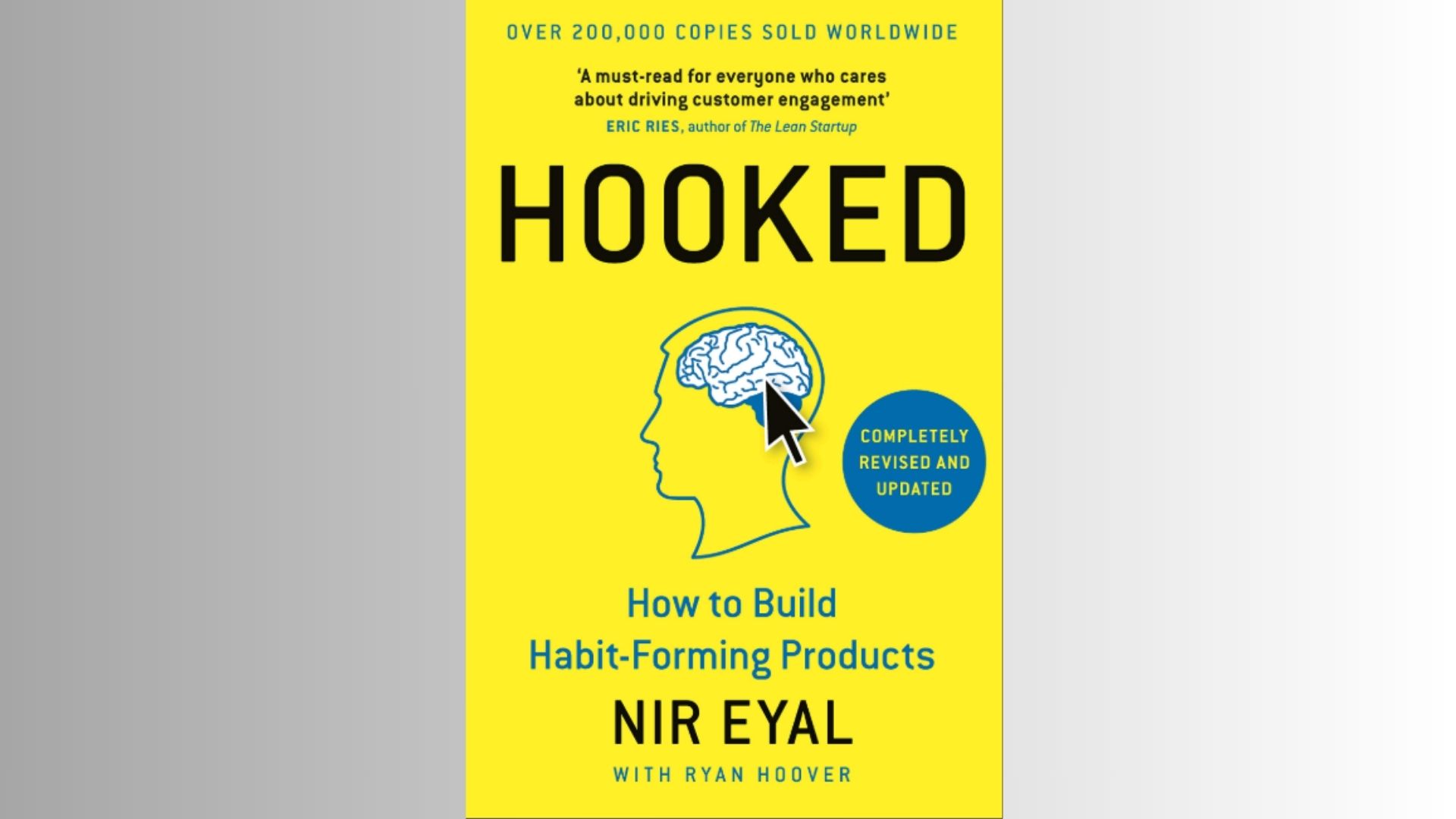
Why do people use some apps every day? Nir Eyal explains the psychology behind habit-forming products. Apps like Instagram and Twitter follow this pattern. Eyal demonstrates how to create products that people naturally return to.
Best for: Product managers and founders building consumer apps or platforms.
Key takeaway: Products that solve pain points and foster habits are the most successful. Design your product around user psychology.
8. Start with Why by Simon Sinek
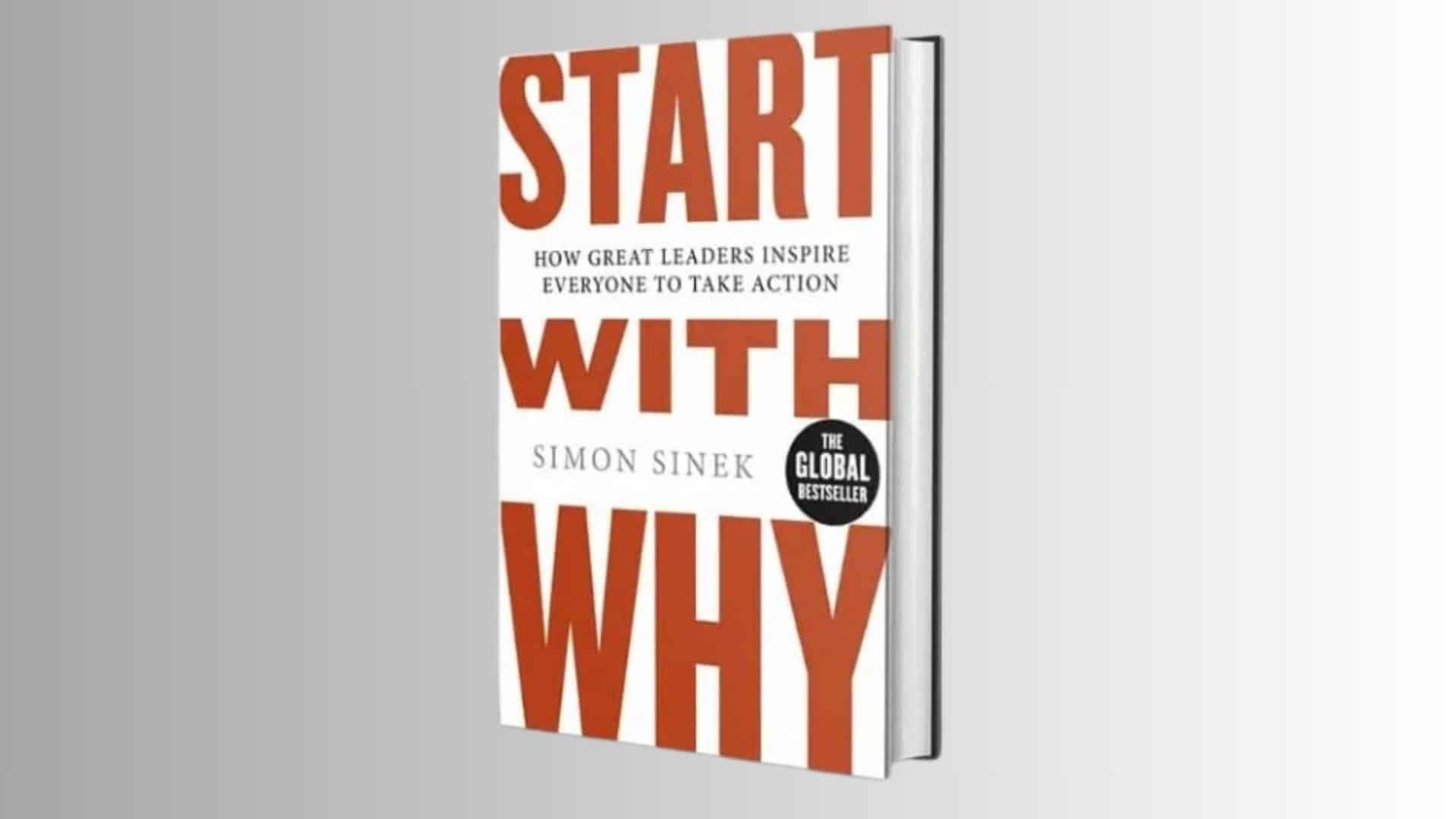
Most companies know what they do. Fewer know how they do it. Very few know why they do it. Simon Sinek argues the “why” matters most.
Best suited for: Founders who aim to establish strong brands and foster loyal customer relationships.
Key takeaway: Define your purpose before you define your product. Purpose drives connection.
9. Traction by Gabriel Weinberg and Justin Mares
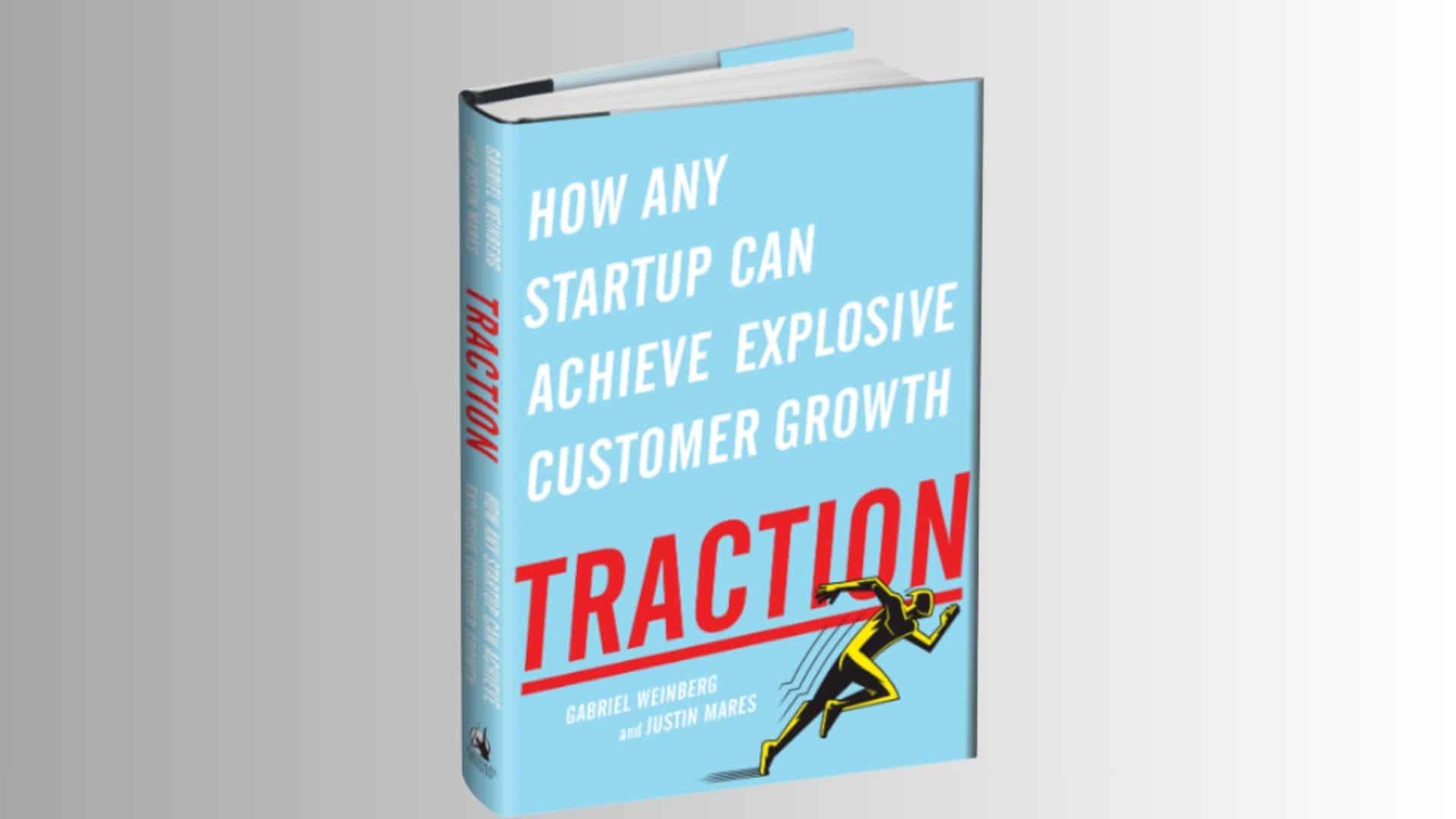
Great products fail because nobody knows about them. This book covers 19 marketing channels you can use to get customers. The authors explain the “Bullseye Framework” for testing channels.
Best for: Founders who struggle to acquire their first customers or expand beyond early adopters.
Key takeaway: Test multiple marketing channels. Double down on the ones that work for your specific business.
10. The Psychology of Money by Morgan Housel
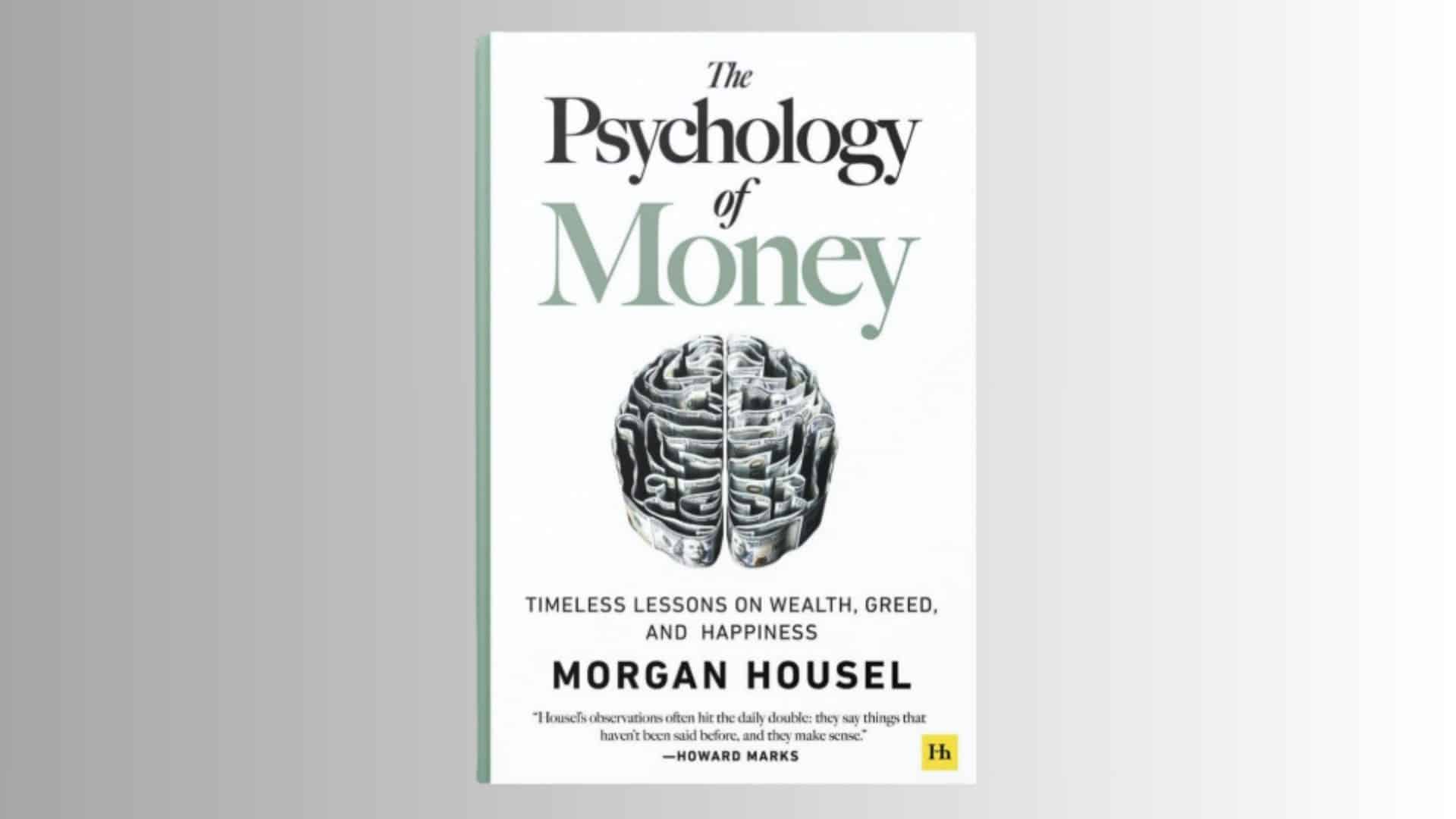
Money decisions aren’t just about math. They’re about behavior and emotions. Morgan Housel explains how people actually make financial choices.
Best for: Founders who need to make smart financial decisions for their business and personal life.
Key takeaway: Financial success comes from behavior, not intelligence. Control your emotions around money.
11. Crossing the Chasm by Geoffrey A. Moore
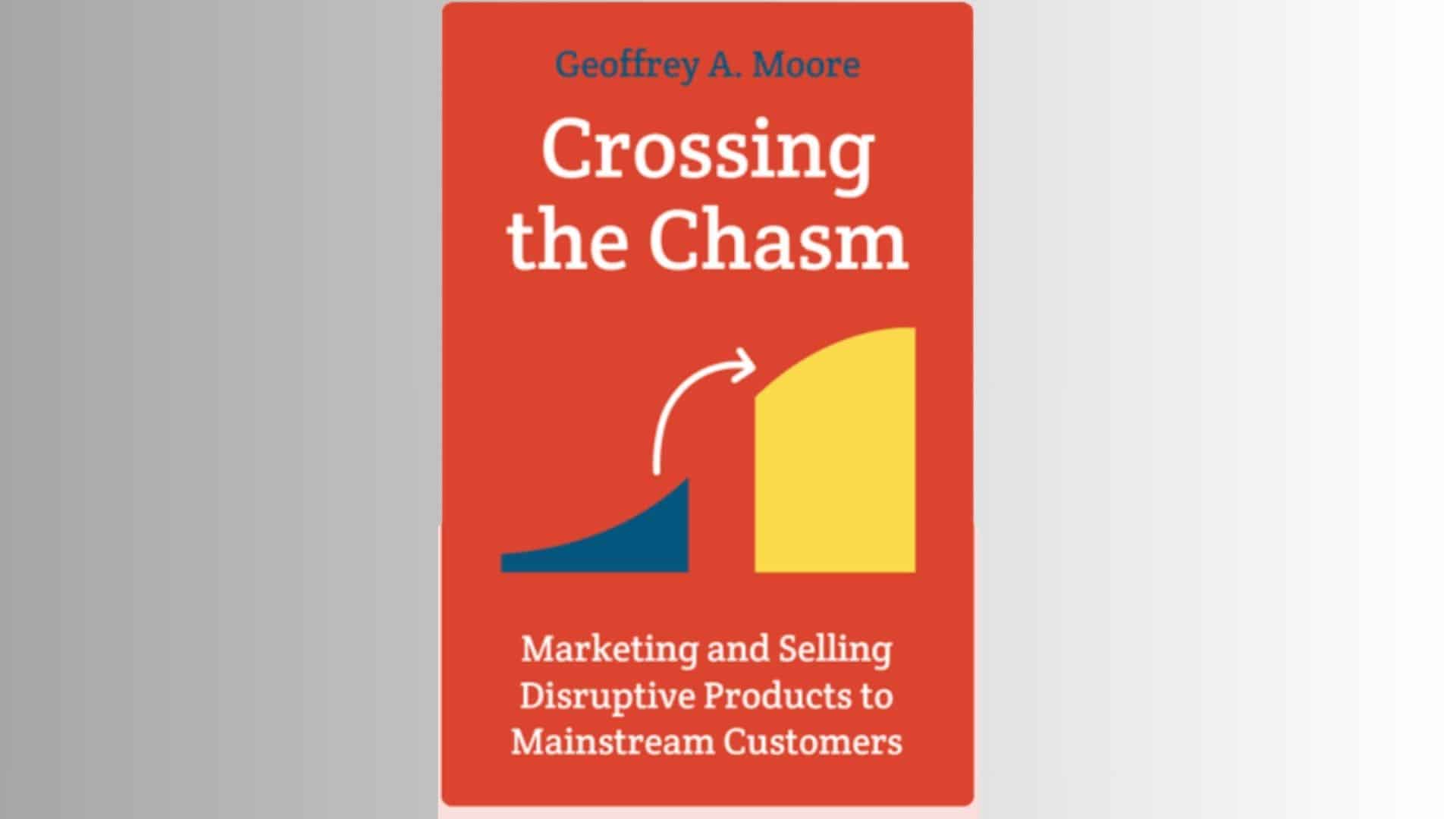
New technology faces a gap. Early adopters love it. But mainstream customers are skeptical. Geoffrey A. Moore shows how to cross this “chasm.”
Best for: Tech startups ready to grow beyond their first customers.
Key takeaway: What works with early users won’t work with everyone. Adapt your approach as you grow.
12. Measure What Matters by John Doerr
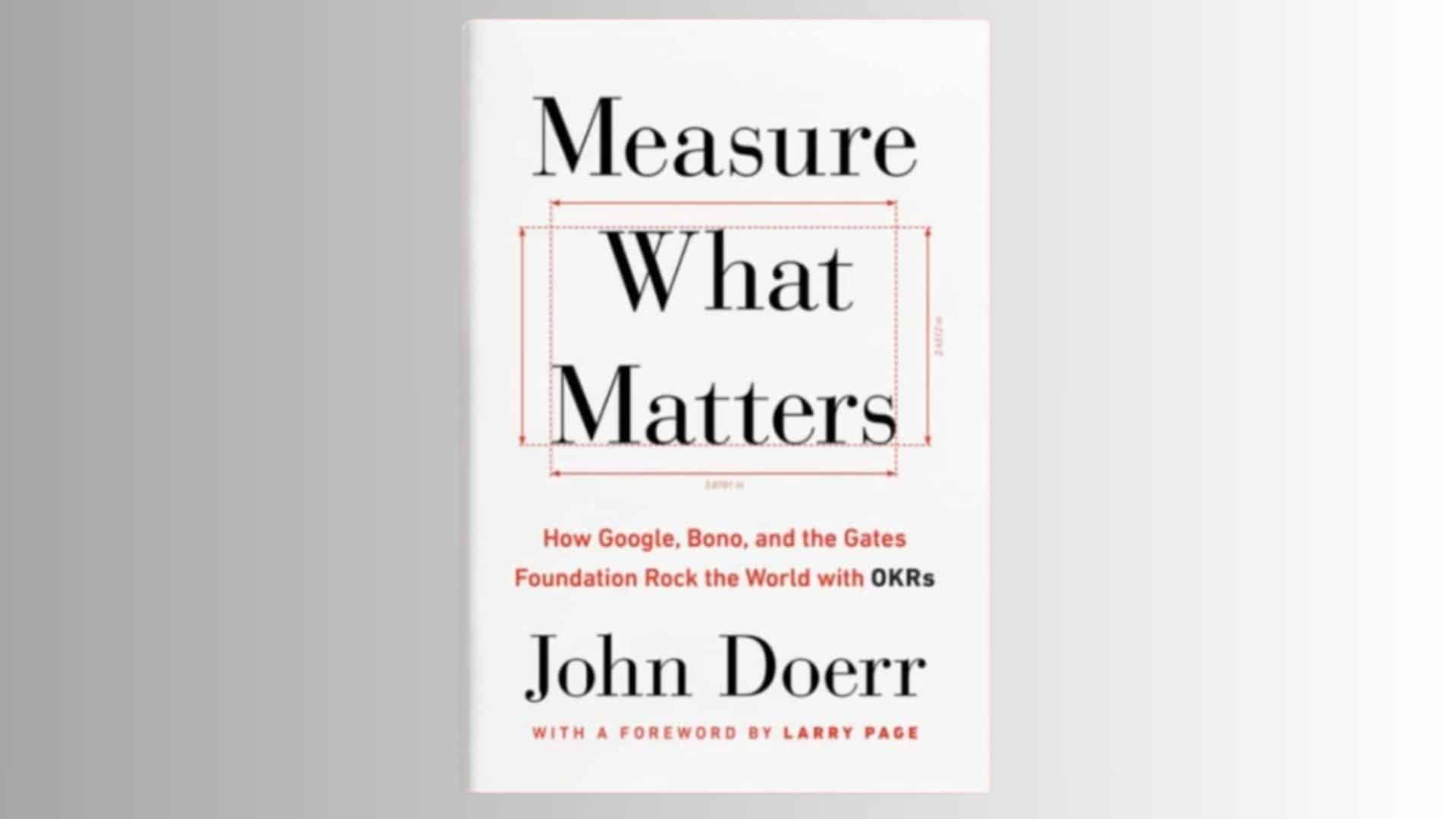
John Doerr introduced Objectives and Key Results (OKRs) to Google. This goal-setting system helped them grow from 40 to thousands of employees. The book includes examples from Google, Intel, and other companies.
Best for: Founders who want to align their team around clear goals and track progress effectively.
Key takeaway: Set measurable goals for your team. Review them often to stay on track.
13. Sprint by Jake Knapp
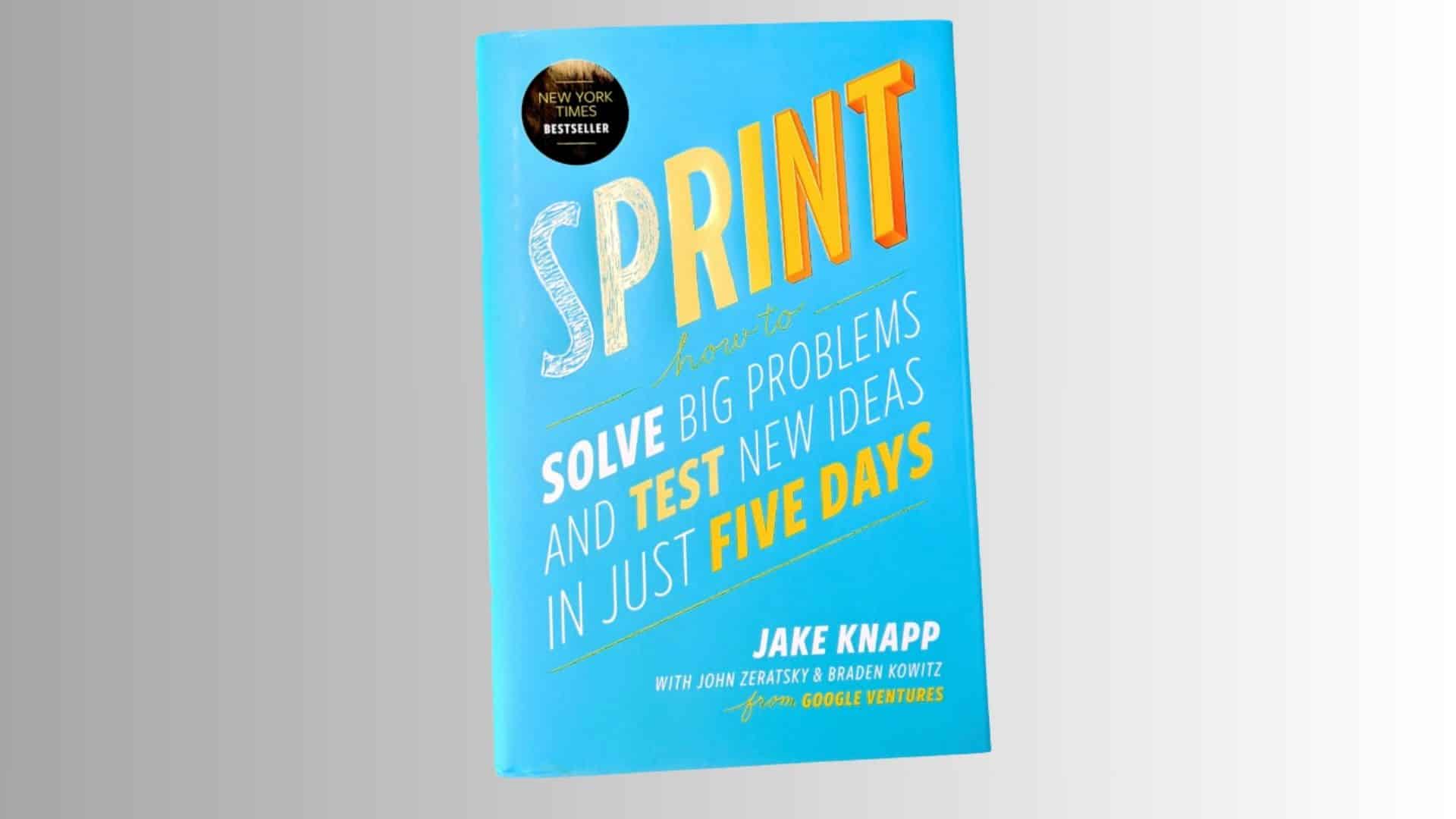
Jake Knapp created the design sprint at Google Ventures. This five-day process helps you solve big problems and test ideas quickly.
Best for: Teams that need to make fast decisions and validate ideas quickly.
Key takeaway: You can answer critical questions in just five days. Don’t spend months guessing.
14. Blitzscaling by Reid Hoffman and Chris Yeh
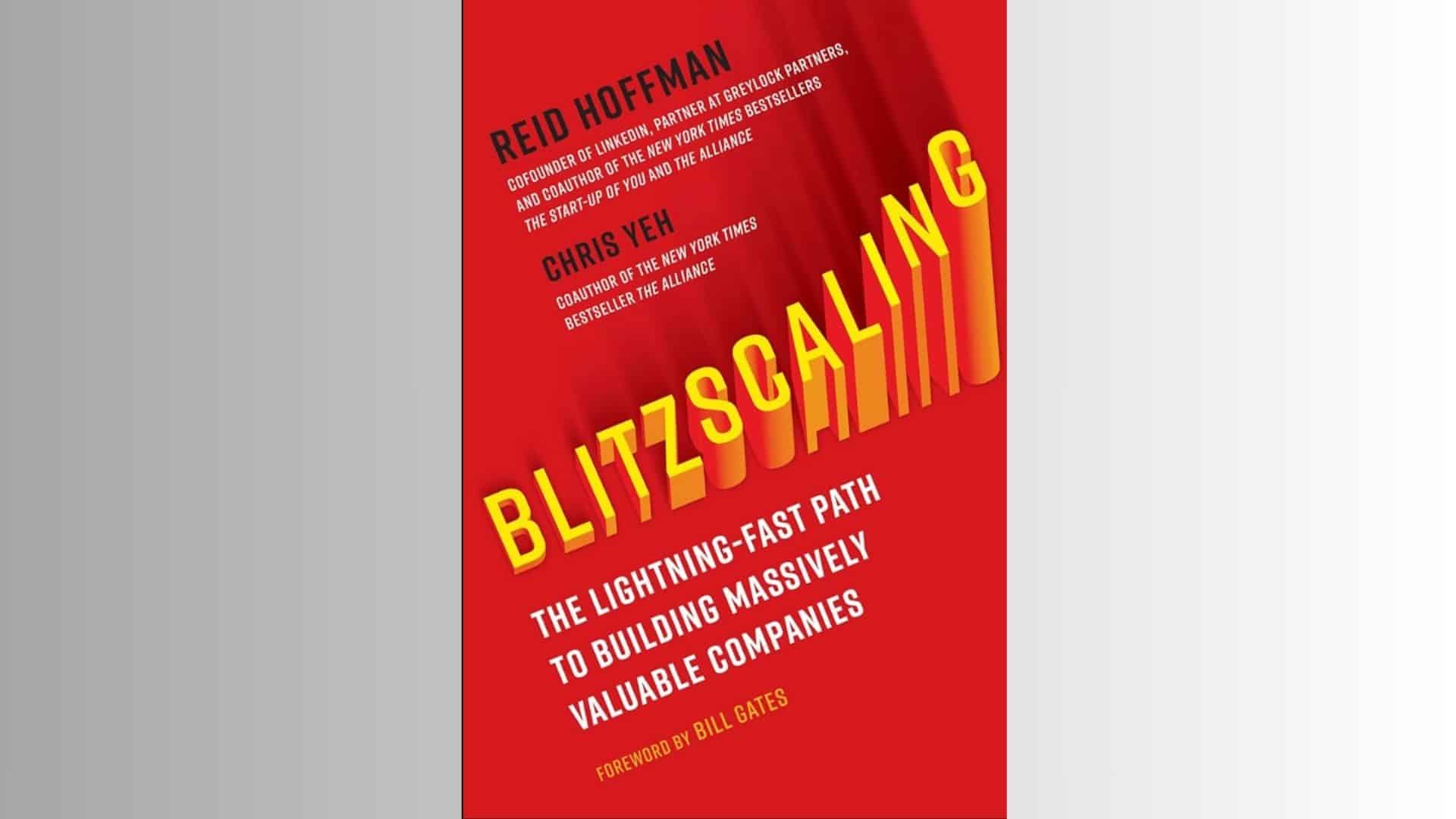
Reid Hoffman, co-founder of LinkedIn, explains how to grow extremely fast. Blitzscaling means prioritizing speed over efficiency.
Best for: Founders with funding who need to capture their market quickly.
Key takeaway: Sometimes controlled chaos beats careful planning. Know when speed matters more than perfection.
15. Made to Stick by Chip Heath and Dan Heath
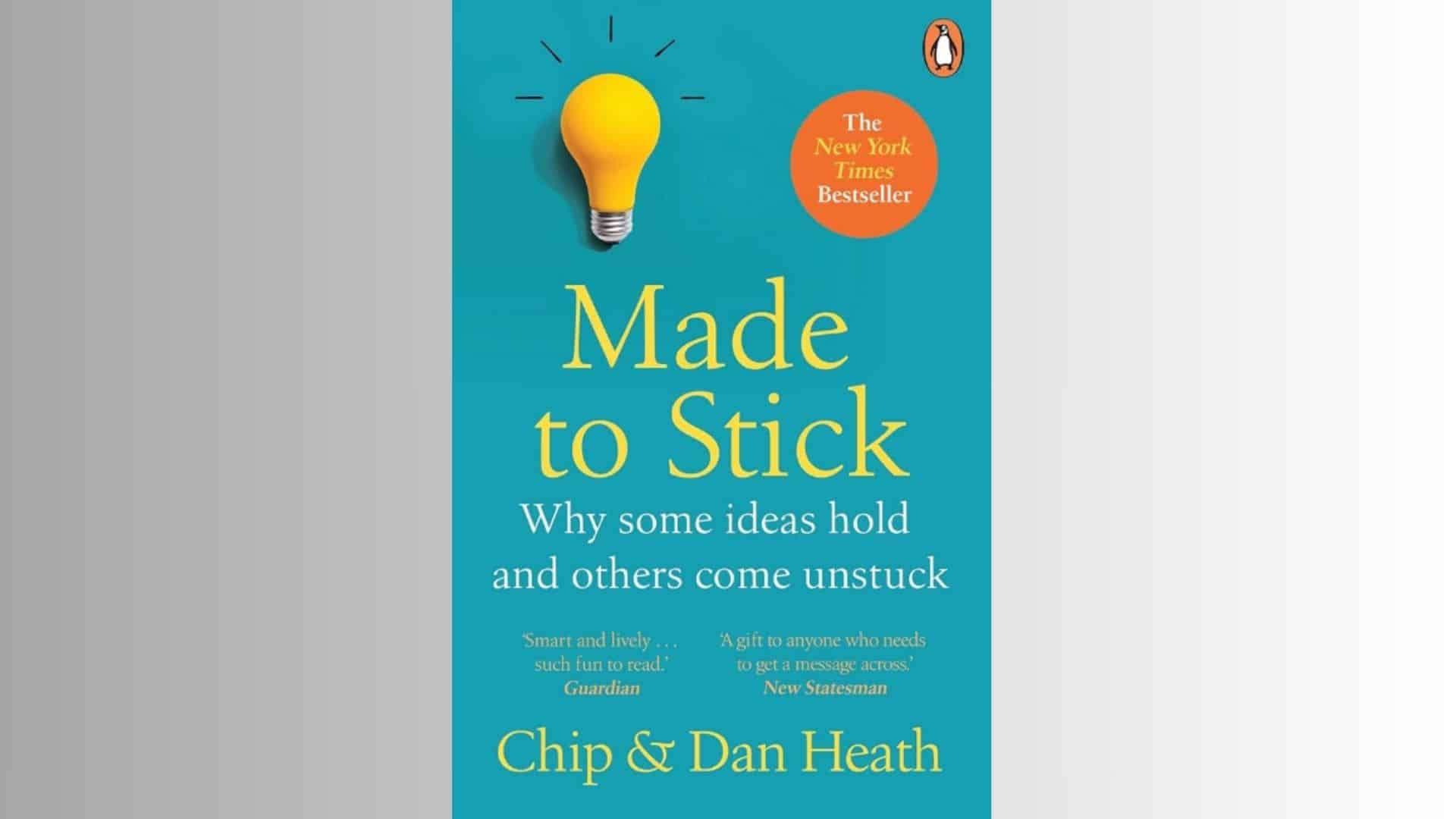
Why do some ideas spread while others die? The Heath brothers studied sticky ideas and found common patterns. This framework helps you create marketing messages, pitches, and content that people remember and share.
Best for: Founders who struggle to communicate their value clearly.
Key takeaway: Simplicity and emotion make ideas memorable. Strip away everything that doesn’t matter.
16. The Art of the Start 2.0 by Guy Kawasaki
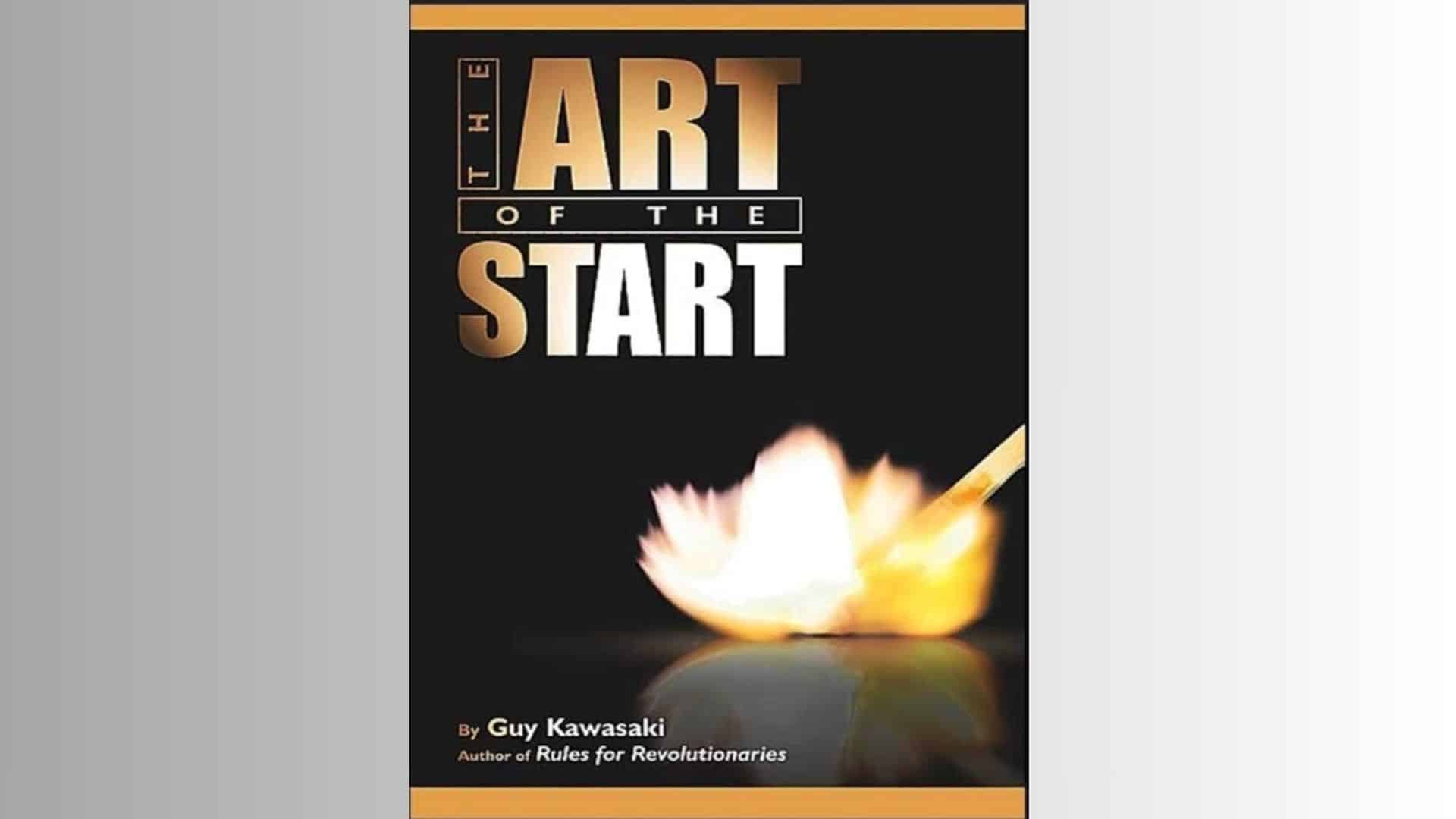
Guy Kawasaki worked at Apple and now advises startups. This book covers everything from pitching to launching. The book is detailed. It’s like having an experienced advisor walk you through each step.
Best suited for: First-time founders who require practical guidance on all aspects of launching a company.
Key takeaway: Success comes from execution, not just ideas. This book shows you how to execute.
17. Business Model Generation by Alexander & Yves Pigneur
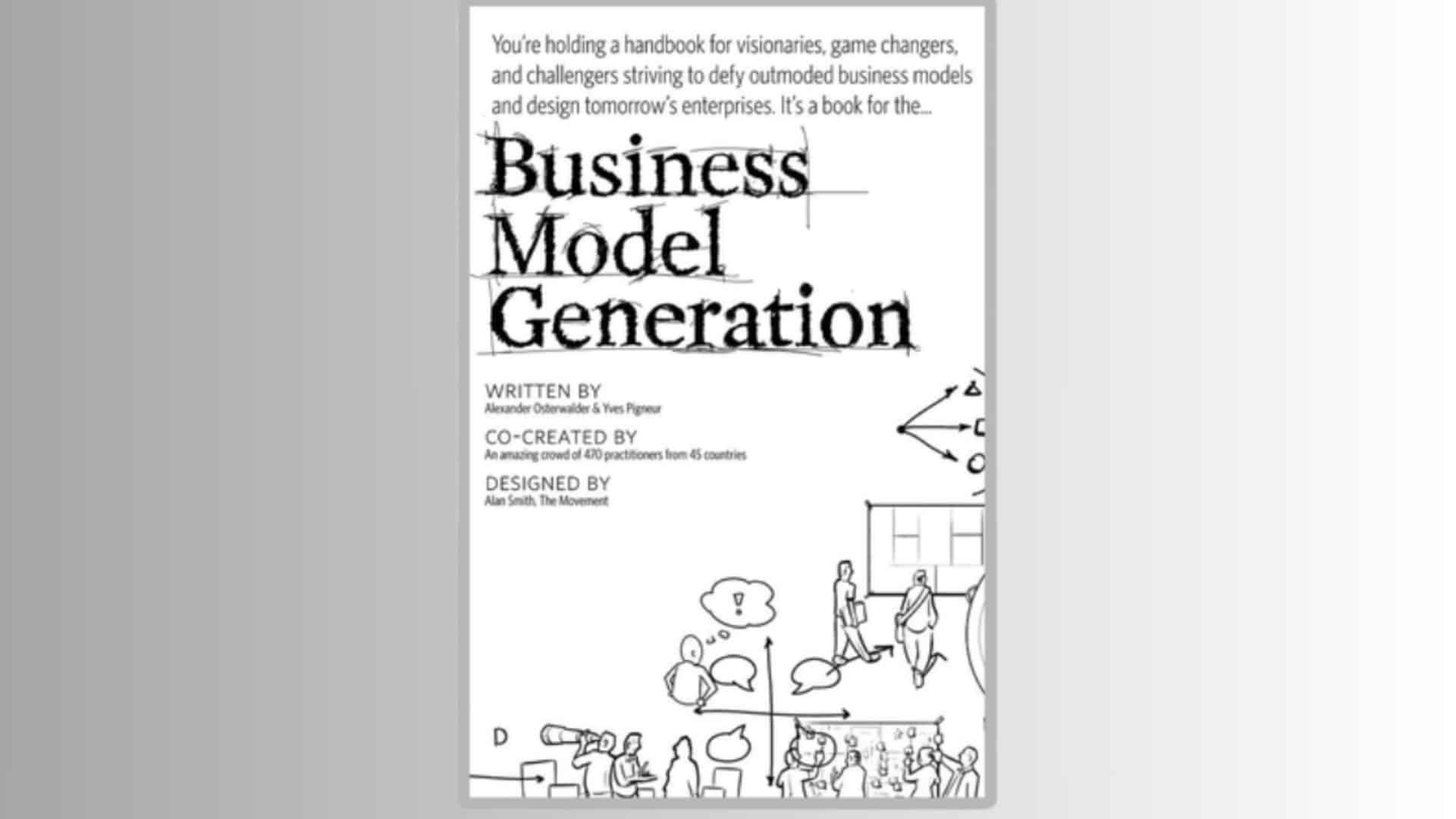
This book introduced the Business Model Canvas. It’s a one-page tool for designing and testing business models.
Best for: Founders who want a clear framework for planning their business model.
Key takeaway: Map out your entire business on one page. This makes it easier to spot problems and opportunities.
18. Purple Cow by Seth Godin
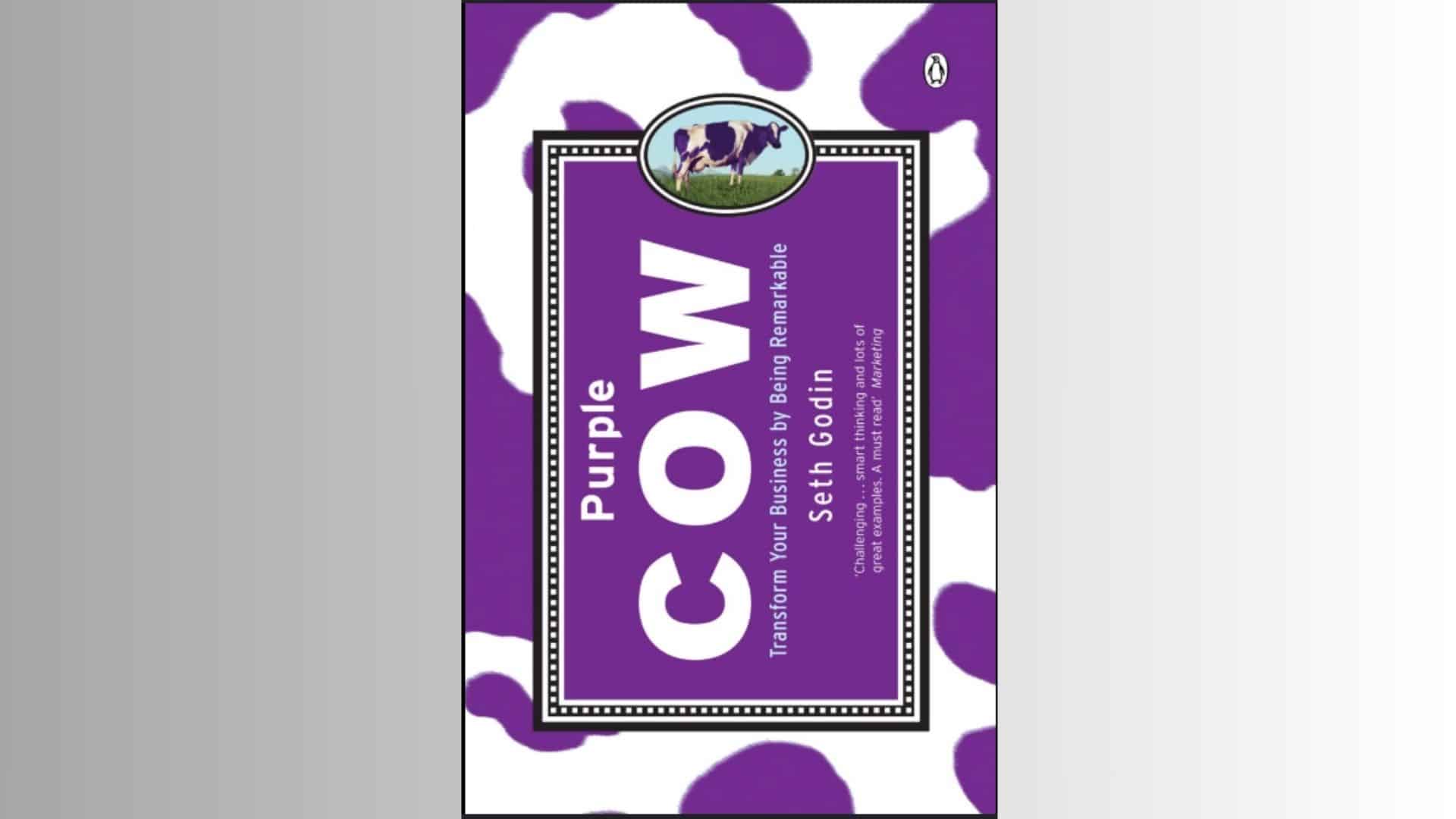
Seth Godin argues that being safe is actually a risk. In a crowded market, you need to be remarkable—like a purple cow in a field of brown cows.
Best for: Founders creating products in competitive markets who need to stand out.
Key takeaway: Don’t try to please everyone. Build something specific that people will love and talk about.
19. The E-Myth Revisited by Michael E. Gerber
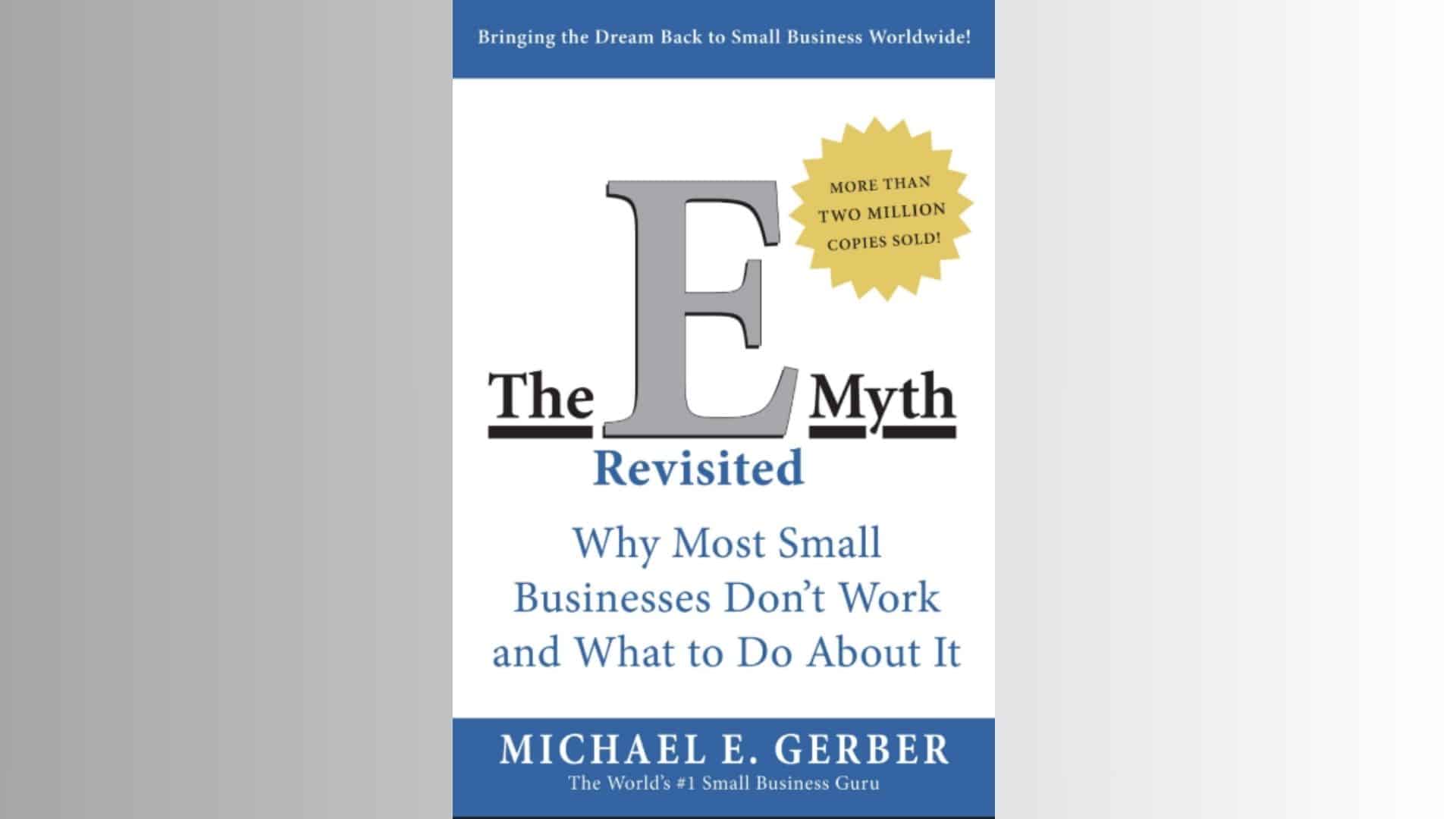
Most businesses fail because founders work in their business instead of on it. Michael Gerber explains the difference.
Best for: Founders who feel stuck doing all the work themselves and are unable to grow.
Key takeaway: Document everything. Build systems that enable your business to run smoothly without you.
20. Predictable Revenue by Aaron Ross and Marylou Tyler
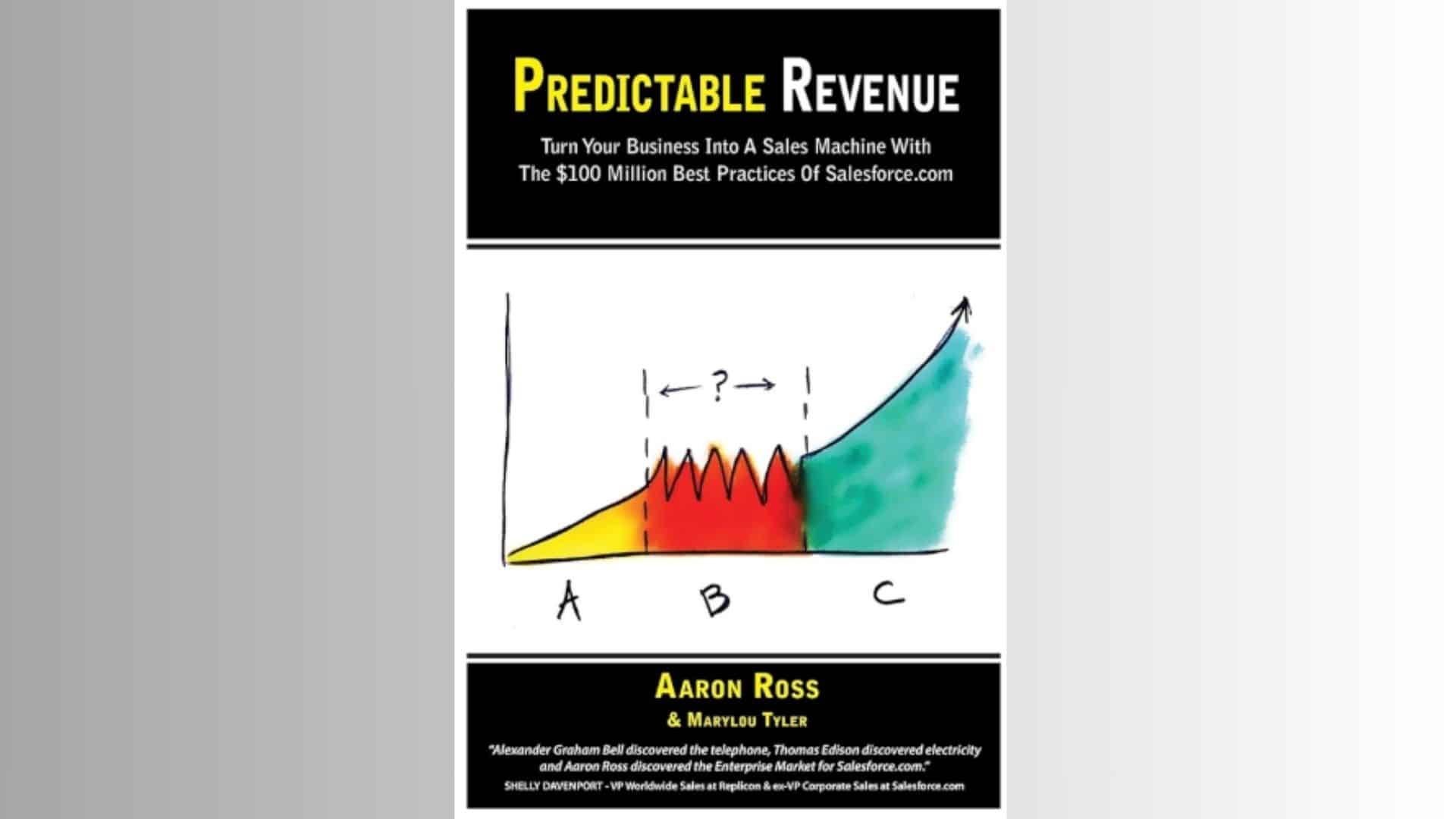
Aaron Ross built Salesforce’s outbound sales system. This book shares the exact process. The methods are specific and actionable. You can implement them right away.
Best for: B2B companies and SaaS startups that need repeatable sales processes.
Key takeaway: Sales shouldn’t be random. Build a system that generates predictable revenue every month.
21. Remote by Jason Fried and David Heinemeier Hansson
The Basecamp founders have run a remote company for years. This book shows how to make remote work effective. The book addresses concerns about productivity and trust.
Best for: Founders building distributed teams or considering remote work.
Key takeaway: Remote work isn’t just possible, it’s often better. You need the right tools and culture.
These startup books offer practical knowledge for different stages of building a company. Pick the ones most relevant to your situation and focus on turning the ideas into action.
Conclusion
Startup books give you the knowledge that took successful founders years to gain.
The titles covered here address every stage of building a company, from testing your first idea to managing rapid growth.
Select 2-3 books that align with your current challenges and read them thoroughly. Apply one lesson at a time to your business.
Remember, reading alone won’t make you successful. Action will. These best startup books provide the roadmap, but you must walk the path.
Start with one book this week. Take notes. Try the strategies. Then share what you learned with other founders.