Can you build a business in just 54 hours?
Thousands of entrepreneurs prove it’s possible at Startup Weekend events worldwide. This global movement brings together aspiring founders, developers, designers, and business minds for intense weekend sessions.
Since 2007, over 210,000 people across 150 countries have turned raw ideas into working prototypes. From Friday evening pitches to Sunday presentations, participants experience real startup life compressed into one action-packed weekend.
Now part of Techstars, these events strengthen local communities and launch actual companies. Some alumni have raised millions in funding. Others found co-founders or changed careers entirely.
This guide explains everything about Startup Weekend and how you can participate.
What is Startup Weekend?
Startup Weekend is a 54-hour event where people come together to build new business ideas from scratch. It happens over three days, usually from Friday evening to Sunday night.
Here’s what makes it special:
The Basic Format:
- Anyone can pitch a business idea on the first evening
- Teams form around the best ideas
- Groups spend the weekend building a working product
- On Sunday, teams present what they created to the judges
Participants don’t just talk about ideas. They build real prototypes and test them with potential customers. Each team receives guidance from experienced mentors who help them lead through the process.
Who Can Join?
You don’t need special skills or experience. Startup Weekend welcomes:
- People with business ideas
- Software developers
- Graphic designers
- Marketing professionals
- Students
- Anyone curious about starting a business
No prerequisites required. You don’t need a finished idea to attend. Many people show up just to join a team and learn. Some come to meet like-minded people in their city.
The History of Startup Weekend
Startup Weekend started in 2007 in Boulder, Colorado. Andrew Hyde organized the first event with just 70 people. The goal was straightforward: to help people bring their ideas to life over the course of one weekend.
The concept caught on fast. Within a year, similar events emerged in other cities across America. People loved the hands-on approach to learning about startups.
By 2008, Startup Weekend had gone international. Events began happening in Europe and Asia. The format stayed the same, but each city added its own local flavor.
In 2015, Techstars acquired Startup Weekend. This deal changed everything about scale and reach.
Techstars brought:
- More resources for organizers
- Better mentor networks
- Stronger connections to investors
- Professional support systems
Growth After Techstars:
- Over 3,100 events held worldwide
- More than 210,000 people participated
- Events in 150+ countries
- Active communities in major cities globally
Evolution of Format:
The basic three-day structure remained constant. But the event improved over time:
- Better mentor matching systems
- Refined judging criteria
- Stronger post-event support
- More specialized weekend themes
This growth wasn’t just about numbers; it reflected the increasing demand for real-world entrepreneurial experiences. Startup Weekend has become a trusted platform for learning, connecting, and launching early-stage ideas.
The Mission and Core Values of Startup Weekend
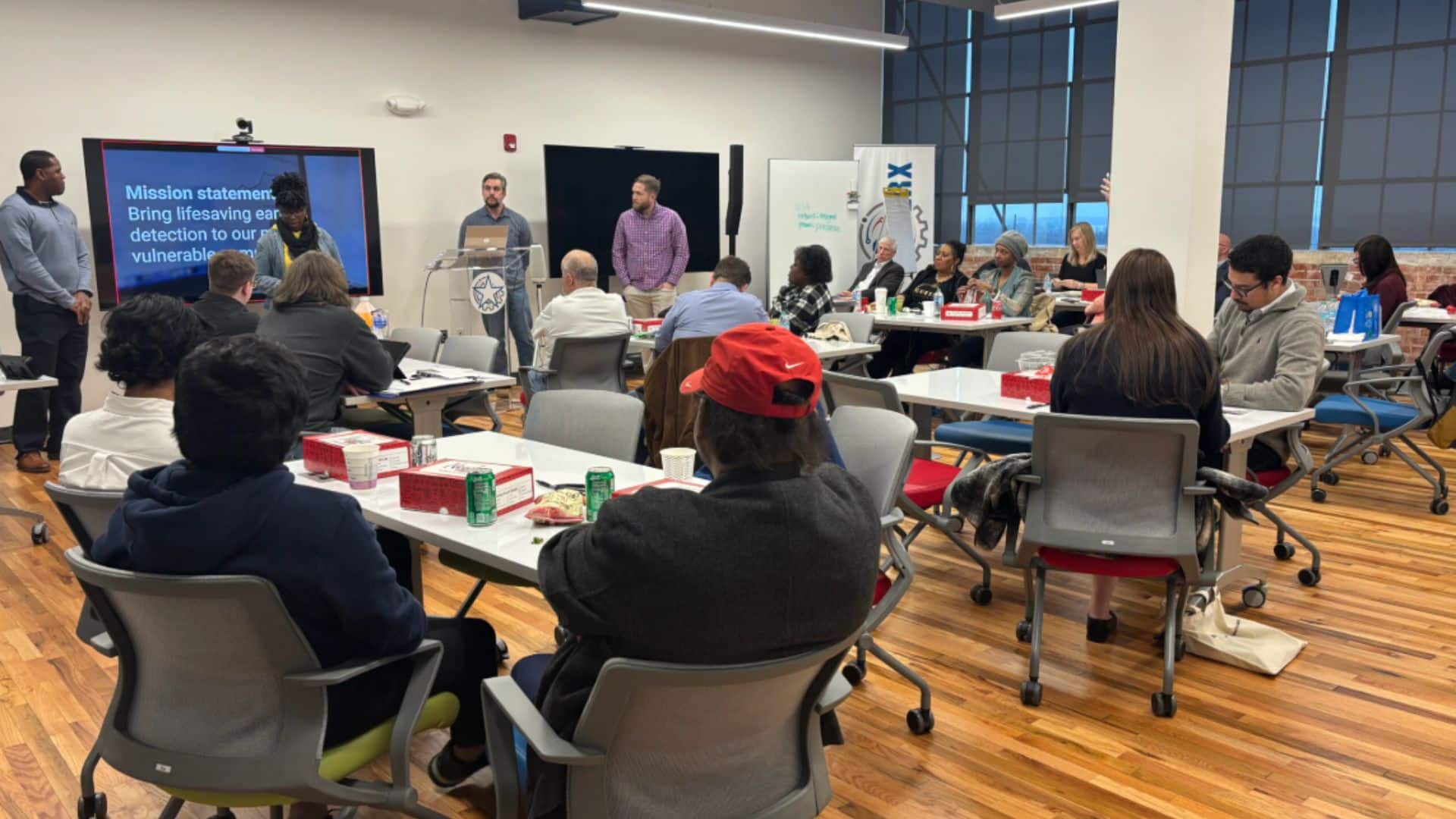
Startup Weekend exists to build stronger communities through entrepreneurship. The mission focuses on practical action, not just talk.
The Main Mission
The organization supports the growth of local startup communities around the world by providing environments where individuals can try out their ideas with guidance and support.
It helps connect people with shared goals, encouraging collaboration among early-stage entrepreneurs. Participants gain practical business knowledge through hands-on activities.
Most importantly, the event encourages people to take calculated risks in a supportive setting, helping them build confidence and develop real-world experience.
Core Value 1: Connected Communities
Startup Weekend believes strong communities drive innovation. When people connect locally, good things happen:
- Ideas spread faster
- Resources get shared
- Support systems form naturally
- Local economies benefit
Every event strengthens bonds between participants. These connections often last long after the weekend ends.
Core Value 2: Giving First
The pay-it-forward mentality runs deep in Startup Weekend culture. Mentors volunteer their time. Organizers work for free. Experienced entrepreneurs help newcomers.
This shows up in practical ways:
- Mentors share knowledge openly
- Former participants become organizers
- Successful alumni return to help new teams
- No one holds back information
Core Value 3: Teamwork Matters
You can’t succeed alone at Startup Weekend. The format forces collaboration. Teams must collaborate to build something within 54 hours.
Benefits of the team approach:
- Different skills combine effectively
- People learn from each other
- Conflicts teach communication
- Shared victories feel better
Core Value 4: Inclusive and Open Participation
Everyone is welcome at Startup Weekend. The events actively seek diversity in:
- Professional backgrounds
- Age groups
- Experience levels
- Cultural perspectives
These aren’t just words on a website. Organizers train to uphold these principles. Events get evaluated on how well they serve diverse participants.
Startup Weekend’s Global Reach and Community Impact
The numbers show a real global presence. Startup Weekend touches entrepreneurial communities on every continent.
By the Numbers: Over 3,100 events since 2007, 210,000+ participants across 150+ countries, and hundreds of cities with active communities.
Where Events Happen?
This event takes place at multiple places, which include:
- North America: Active in San Francisco, New York, Toronto, Austin, and smaller cities like Boise and Halifax.
- Europe: Frequent events in London, Berlin, Paris, Amsterdam, plus a strong turnout in Bucharest and Warsaw.
- Asia: Bangalore, Singapore, Tokyo, and Seoul lead, with rising activity across Southeast Asia.
- Africa: Lagos, Nairobi, and Cape Town are key locations, with growth also occurring in other regions.
- South America: São Paulo, Buenos Aires, and Bogotá drive steady participation.
How Startup Weekend Builds Startup Ecosystems?
Startup Weekend does more than host events; it helps build lasting startup ecosystems in cities around the world. Here’s how these weekends create long-term impact:
| Area of Impact | What Happens |
|---|---|
| Startup Foundations | Introduces startup thinking and builds early-stage founder networks |
| Local Connections | Creates first-time links between founders, mentors, and early supporters |
| Investor Interest | Draws attention from investors exploring new or untapped regions |
| Economic Growth | Helps launch new businesses, create jobs, and keep talent in the local area |
| Network Building | Sparks long-term connections between co-founders, employees, and mentors |
| Ongoing Participation | Many return as founders, then later become mentors or organizers |
| Entrepreneurial Culture | Normalizes risk-taking and business creation through consistent local events |
| Support Infrastructure | Leads to new coworking spaces, investor groups, accelerators, and school programs |
Together, these effects help shift local mindsets, strengthen networks, and lay the foundation for thriving startup communities.
Who Should Attend Startup Weekend?
Startup Weekend is open to anyone curious about building a product or company. It’s especially helpful for those who want real-world experience without long-term risk.
Over one weekend, you’ll work with others, build fast, and learn even faster.
People Who Get the Most Value:
- Aspiring entrepreneurs looking to test an idea without quitting their job
- Software developers who want to work on real products and meet business-minded teammates
- Designers eager to apply their skills in a live project environment
- Marketing professionals interested in fast-paced branding and customer outreach
- Business students who want practical experience to back up what they’ve learned
- Career changers who want to try startup life before making a move
- Recent graduates, unsure of which role fits them best
- Technical people who want to learn about markets, pricing, and sales
- Business professionals who want to better understand how products are built
Startup Weekend gives you the chance to build something with purpose, meet skilled teammates, and receive honest feedback.
If you’re open to working with others and learning quickly, you’ll leave with more than just an idea.
Conclusion
Startup Weekend provides a practical entry point into entrepreneurship with minimal risk. The 54-hour format compresses months of learning into one intensive weekend.
You’ll test ideas, build prototypes, and receive honest feedback from mentors and customers. If you are a student, career changer, or experienced professional, these events provide hands-on experience that books and courses can’t match.
Over 3,100 events have already happened globally, creating thriving startup communities in cities everywhere. The connections you make and skills you gain extend far beyond the weekend itself.
Your entrepreneurial path could begin with just one weekend commitment.