
Starting an online business sounds exciting. But it can also feel confusing fast. There are hundreds of tools, strategies, and opinions competing for your attention.
Most beginners spend weeks reading and never actually start. The good news is simple. You do not need a perfect plan or a big budget to get going. You need a clear idea, a focused starting point, and the right steps.
This guide covers everything from choosing the right idea to launching your first offer and growing beyond it. Each section focuses on what actually matters and skips the noise.
In this blog, I’ll show you exactly how to build a real online business step by step.
What Starting an Online Business Really Means
Many people assume starting an online business means running a large e-commerce store. It is much broader than that.
An online business is any business that earns money through the internet. This includes selling products, offering services, teaching, freelancing, creating content, and more. The business model you choose will shape everything else, including your startup costs, your schedule, and your income timeline.
Here is a quick overview of the most common online business models today:
| Business Type | What It Involves | Startup Cost |
|---|---|---|
| Freelancing | Selling a skill as a service | $0 |
| E-commerce | Selling physical or digital products | Low to medium |
| Coaching or consulting | One-on-one expertise delivery | $0 to low |
| Affiliate marketing | Earning commissions by promoting products | Low |
| Online courses | Teaching a topic through a platform | Low to medium |
| Content creation | Building an audience and monetizing | Low |
Most online business models do not require a technical background. Many beginners start with freelancing or affiliate marketing because both need very little money up front. Income takes time to build.
Most online businesses take 6 to 12 months to see consistent results. Setting that expectation now saves a lot of frustration later.
Why Most People Feel Overwhelmed at the Start
Most beginners do not fail because of a bad idea. They fail because they cannot move forward.
This comes down to four very common problems:
- Too many ideas: Trying to find the “perfect” niche leads to analysis paralysis. Nothing gets done.
- Fear of failure: Worrying about wasting time or money stops most people before they even try.
- Information overload: Social media throws dozens of strategies at you daily. It is impossible to focus.
- No clear plan: Without a structure, everything feels urgent. That makes nothing a real priority.
The fix is simple. Pick one idea. Focus on one marketing channel. Take one meaningful action each day. Starting an online business gets easier the moment you stop trying to do everything at once.
Choosing the Right Online Business Idea
A good business idea does not have to be original. It just has to solve a real problem for a group of people willing to pay for it.
Match your idea to three things: your skills, your interests, and a real market need. Chasing money without genuine interest almost always leads to burnout within the first year.
Before investing time or money, validate your idea first. These simple steps help you confirm demand:
- Search Google for competitors. If others are already selling it, there is a market.
- Read Reddit and Quora threads to find what problems people talk about most.
- Check Amazon or Etsy reviews for recurring complaints about existing products.
- Ask 5 to 10 real people directly if they would pay for your solution.
Here are some beginner-friendly business ideas that work well right now:
| Business Idea | Startup Cost | Income Type |
|---|---|---|
| Freelance writing or graphic design | $0 | Active |
| Dropshipping | Low | Active to passive |
| Online tutoring | $0 | Active |
| Selling digital templates or ebooks | Low | Passive |
| Affiliate marketing blog | Low | Passive |
| Virtual assistant services | $0 | Active |
Understanding Your Target Audience
You cannot sell to everyone. The more specific your target audience is, the easier everything becomes.
Start by answering these basic questions:
- Who has the problem your business solves?
- How old are they, and where do they spend time online?
- What are they searching for when they need help?
- What do they already spend money on to solve this problem?
Build a simple one-sentence customer profile.
For example: “My customer is a 30-year-old freelancer who wants to earn more without working extra hours.” That level of clarity shapes your offer, your content, and your messaging.
Understanding pain points matters more than listing features. People pay to fix problems, not to buy products. When your message speaks directly to a real frustration, it connects faster and converts better.
Building a Simple Business Plan
Most beginners skip this step. That is a costly mistake. A business plan does not need to be 20 pages. A one-page document works fine, especially at the start.
Here is what to include:
| Section | What to Write |
|---|---|
| Business idea | What you sell and who you sell it to |
| Target audience | One clear customer profile |
| Revenue model | How do you make money |
| 90-day goals | What do you want to achieve in the first three months |
| Budget | How much can you afford to spend upfront |
Set small, realistic goals. Your first goal should be simple: get your first paying customer. Everything else can be adjusted along the way.
Keep your budget tight at the start. Many people overspend on branding and tools before they earn a single dollar. Start lean. Reinvest once your idea is proven.
Setting Up Your Online Presence
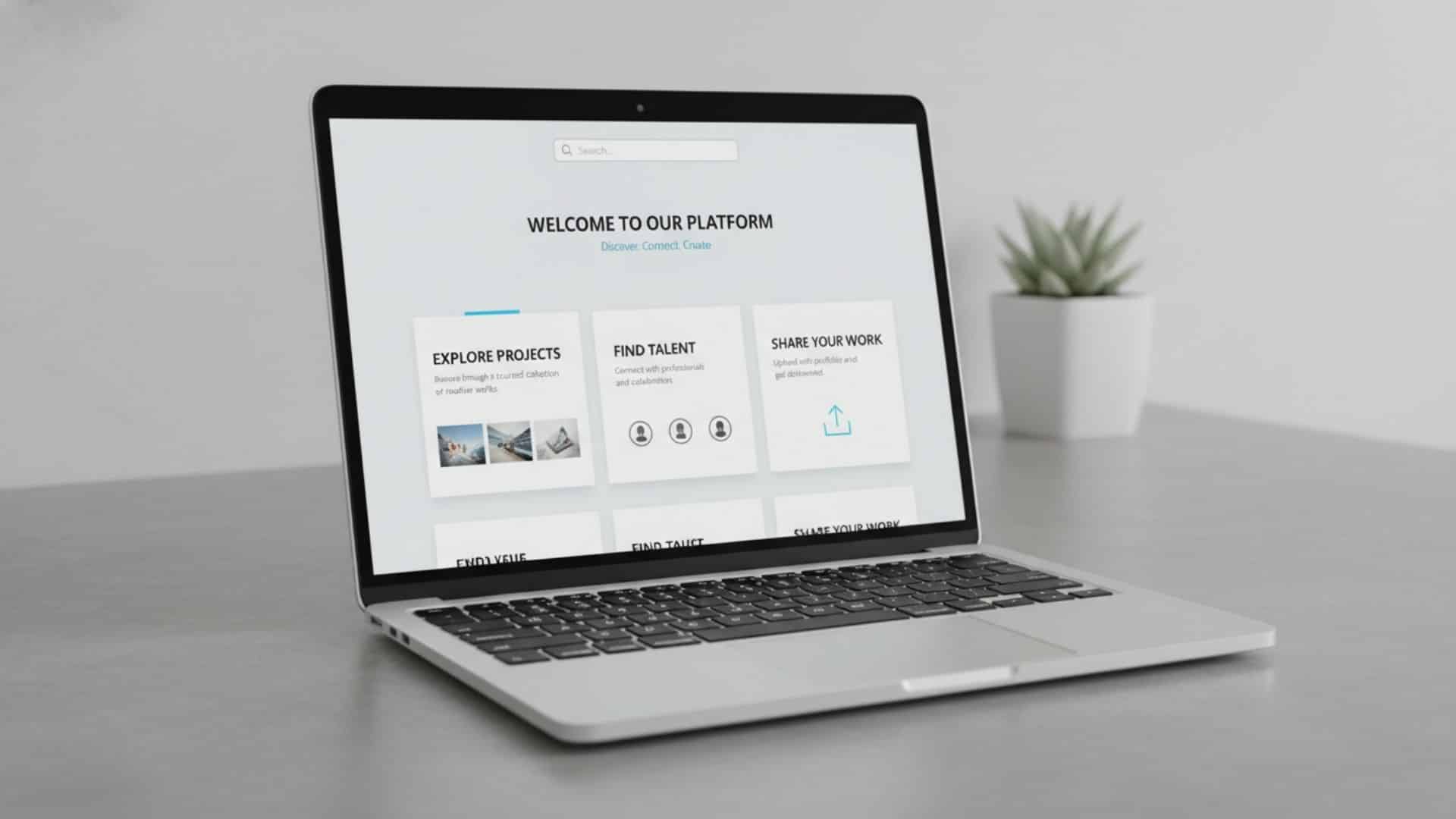
You do not need a perfect website to start. But you do need a place where potential customers can find you.
Start with these essentials:
- Domain name: Keep it short and relevant to your niche. A .com extension works best.
- Website or platform: Use WordPress, Shopify, or Squarespace for a full website. Or start on a marketplace like Etsy or Fiverr first.
- Basic branding: Choose two colors and one clean font. Free tools like Canva make this simple.
- Contact page: Make it easy for visitors to reach you or book a call.
Skip elaborate design at the start. A clean, fast-loading site with clear messaging beats a slow, overbuilt one every time. Focus on what your visitor needs to know, not what looks impressive.
Legal and Financial Basics You Should Not Ignore
Many beginner guides skip this section entirely. That creates expensive problems later. Setting up the legal and financial side early protects you and your income.
| Area | What to Do |
|---|---|
| Business structure | Register as a sole proprietor or LLC, depending on your location |
| Business registration | Check your local or state government requirements |
| Payment system | Set up PayPal, Stripe, or a dedicated business bank account |
| Taxes | Track all income and expenses from your very first sale |
| Contracts | Use simple service agreements for all client work |
Consult a local accountant or legal advisor before you register. Rules differ by country and state. Getting this right early costs far less than fixing mistakes after the fact.
Creating and Launching Your First Offer
Do not wait until everything feels ready. A simple first offer beats a perfect one that never launches.
Your first offer should do these things:
- Solve one specific, clearly defined problem
- Be priced, either as a flat rate or a monthly fee
- Require minimal time or tools to deliver
- Be testable with just 3 to 5 customers
This is called a minimum viable offer. It lets you confirm demand before spending weeks building something nobody asks for.
For pricing, research what others charge for similar offers. Start slightly below the market rate to attract early buyers. Raise your prices once you have real results and reviews to back them up.
To launch, start with your personal network. Post on two or three platforms. Send direct messages to people who fit your customer profile. You do not need a large audience to make your first sale.
Marketing Your Online Business Without Feeling Lost

Marketing is where most beginners lose focus. There are too many channels and too much conflicting advice. The solution is to pick just one or two and stay consistent.
Here is a simple starting point based on business type:
| Business Type | Best Channel to Start |
|---|---|
| Freelancing | LinkedIn or direct outreach |
| E-commerce | Instagram or Pinterest |
| Coaching or consulting | LinkedIn or Facebook groups |
| Affiliate marketing blog | Google SEO |
| Digital products | Pinterest or email marketing |
Content marketing and SEO build long-term, free traffic. Write blog posts or create videos that answer the exact questions your audience searches for. Results take time but compound steadily.
Email marketing remains the most reliable channel for any business type. Build your list from day one. Offer a useful free resource in exchange for an email address. Even 100 engaged subscribers can generate consistent revenue.
Avoid spreading across six platforms at once. Pick two. Show up consistently. That approach produces far better results than trying to be everywhere at once.
Managing Time, Productivity, and Consistency
Starting an online business alongside a full-time job is common. It requires a realistic, repeatable schedule more than long work sessions.
A simple weekly workflow might look like this:
- Monday and Wednesday: Content creation or client work
- Tuesday and Thursday: Marketing, outreach, and follow-ups
- Friday: Admin tasks, review, and weekly planning
- Weekend: Rest or optional focused work blocks
Avoid working long hours every single day. Burnout is one of the top reasons people quit within the first year of starting an online business.
When results are slow, track small wins rather than focusing only on revenue. Did you publish something? Gain a new lead? Finish a client project?
Those all matter. Use free tools like Trello or Notion to stay organized. Focus on two or three priorities each day. Steady progress builds real momentum over time.
Common Mistakes to Avoid When Starting
Most early-stage mistakes stem from overthinking, rushing, or copying others. Knowing them in advance helps you avoid them.
| Mistake | Why It Hurts | Better Approach |
|---|---|---|
| Trying to do everything at once | Creates confusion, zero progress | Focus on one task per day |
| Skipping validation | Wastes time on ideas nobody wants | Test before building |
| Overspending on tools | Drains the budget with no return | Use free tools until you earn |
| Comparing yourself to others | Kills motivation early | Focus on your own milestones |
| Waiting for perfection | Delays your launch indefinitely | Ship a simple version first |
The biggest mistake of all is not starting at all. Most people plan for months and never take a single real step. Done is always better than perfect when it comes to launching.
How to Grow Your Online Business
Once you have your first few customers, focus on growing steadily. Do not try to scale before your offer is proven.
Follow these steps in order:
- Reinvest early profits. Set aside a portion of your income for tools, ads, or outsourcing.
- Expand your offer. Add a related product or service once the first one sells consistently.
- Automate repetitive tasks. Use tools like Zapier, email autoresponders, and social schedulers.
- Build authority. Publish consistently, collect testimonials, and share real client results.
- Outsource what slows you down. Hire a freelancer for tasks outside your skill set.
Real growth in an online business is gradual. Most people see consistent traction after 12 to 18 months of focused effort. Building a long-term brand matters more than fast growth that fades.
Conclusion
In summary, starting an online business becomes manageable when you break it into clear, focused steps. Choose an idea that solves a real problem.
Build a simple plan. Set up your online presence. Launch your first offer without waiting for conditions to be perfect. From there, pick one marketing channel and show up regularly.
Most people who fail quit too early. Those who succeed keep going even when progress feels slow. Starting an online business takes time, but every step you take builds toward something real.
What is the one step you are ready to take today? Start there and build from there forward.
Frequently Asked Questions
How Much Money Do I Need to Start an Online Business?
Most online businesses can start with less than $100. Freelancing and coaching require almost no upfront investment. E-commerce and paid ads need a slightly larger budget.
How Long Does it Take to Make Money from an Online Business?
Most beginners see their first sale within 30 to 90 days. Consistent monthly income typically takes 6 to 12 months of focused effort.
Do I Need a Business License to Start an Online Business?
Requirements vary by location. In the United States, most sole proprietors can start without a formal license, but registering as an LLC is recommended as you grow.