
Selling your business soon? Or maybe you’re on the buying side, ready to make an offer?
Here’s a question most people overlook: how you structure the deal changes everything. Not just the price. Not just the timeline.
But who pays what taxes, who takes on past debts, and whether the business keeps running smoothly after closing.
Most buyers and sellers focus on the dollar amount. They negotiate hard on price but ignore the structure. That’s a mistake.
The way you set up the transaction determines who wins and who loses, sometimes by hundreds of thousands of dollars.
This guide shows you two main paths: asset sales and stock sales. We’ll compare them side by side so you can pick the one that protects your money and matches your goals.
What Is A Business Sale?
A business sale happens when ownership of a company or its parts transfers from one party to another. The seller gives up control in exchange for payment. The buyer takes over and runs the business going forward.
Sales can involve the entire company or just pieces of it. Some deals transfer everything at once. Others let buyers select specific items they want. The structure depends on what both parties agree to.
These transactions follow legal processes. Contracts spell out what gets sold, the purchase price, and the terms of transfer. Lawyers, accountants, and brokers often help complete the deal.
The sale process typically includes several steps:
- Valuation of the business or assets
- Negotiation between buyer and seller
- Due diligence and investigation
- Signing purchase agreements
- Transfer of ownership
Business sales protect both parties when done correctly. The seller gets fair compensation for what they built. The buyer gets legal ownership and control of what they purchased.
Two main types of business sales exist: asset sales and stock sales. Each follows different rules and creates different outcomes.
We’ll walk you through both structures so you can see how they work and which one fits your deal better.
When structuring a business sale, you face two main options: selling individual assets or selling company stock. Each method follows different rules and creates different outcomes.
Let’s break down how asset sales work first, then compare them to stock sales.
What Is An Asset Sale?

An asset sale is a transaction where the buyer purchases specific assets from a business instead of buying the company itself.
You’re essentially picking and choosing what you want from the business.
Think of it like buying items at an estate sale. You don’t buy the entire house. You select the furniture, equipment, or artwork you want and leave the rest behind.
In this type of sale, the seller keeps ownership of the legal entity. The business structure stays in place. Only the selected assets transfer to the buyer.
Advantages And Disadvantages Of Asset Sales
Thinking about buying or selling specific assets? This approach gives buyers strong protection but creates extra work.
Here’s what asset sales offer and where they fall short:
| Advantages | Disadvantages |
|---|---|
| Select specific assets only | Complex transfer process |
| Avoid most liabilities | Contracts need reassignment |
| Greater control over purchase | May disrupt operations |
So how does this type of sale actually happen? The process involves several clear steps that both buyers and sellers need to follow.
Here’s the typical flow:
How An Asset Sale Works?
The buyer identifies which assets they want to acquire. This could include equipment, inventory, customer lists, or intellectual property. They make an offer based on those specific items.
The seller agrees to transfer ownership of these assets. A purchase agreement lists each asset in detail. Both parties sign the contract, and the transfer begins.
Each asset moves individually from seller to buyer. Titles, deeds, or bills of sale document the transfer. The buyer takes control of these assets once the transaction closes.
The original company remains with the seller. This means the seller still owns the business entity and any assets not included in the sale.
Asset sales let buyers cherry-pick what they want while leaving liabilities behind. But what happens when you buy the entire company through a stock sale instead?
What Is A Stock Sale?
A stock sale is a transaction where the buyer purchases ownership shares of the company itself.
Instead of selecting individual assets, you buy the entire business entity in one transaction.
Think of it like buying a house fully furnished. You get everything inside: the good, the bad, and everything in between.
The home comes with all its existing features, repairs needed, and hidden issues.
In a stock sale, the company continues to exist as the same legal entity, and ownership transfers from the old shareholders to the new buyer.
The business structure, tax ID, contracts, and licenses all remain intact.
Advantages and Disadvantages of Stock Sales
What if you want to buy the entire company instead of picking individual pieces? Stock sales offer a completely different approach.
Let’s see how this structure operates:
| Advantages | Disadvantages |
|---|---|
| No business interruption | Inherit all liabilities |
| Contracts stay valid | No flexibility to exclude assets |
| Simpler ownership transfer | Extensive due diligence needed |
Ready to see the mechanics behind this approach? Stock sales follow a simpler path than asset sales.
Here’s how ownership actually changes hands:
How A Stock Sale Works?
The buyer purchases the company’s shares directly from the existing shareholders. This could be 100% of the shares or a controlling interest.
The shareholders transfer their stock certificates to the buyer. A stock purchase agreement outlines the terms, price, and closing conditions.
Both parties sign, and ownership changes hands.
The company doesn’t change. It keeps the same name, tax ID, and legal structure. Employees stay employed by the same entity. Contracts remain valid without reassignment.
All assets transfer to the new owner because they belong to the company. This includes property, equipment, inventory, and customer relationships.
All liabilities also transfer with the purchase. The buyer inherits existing debts, lawsuits, tax obligations, and hidden problems.
This makes the choice between asset sale vs stock sale critical.
Stock sales offer a faster, cleaner transfer but come with more risk.
Let’s compare these two structures side by side to see how they stack up.
Asset Sale Vs Stock Sale: Key Differences
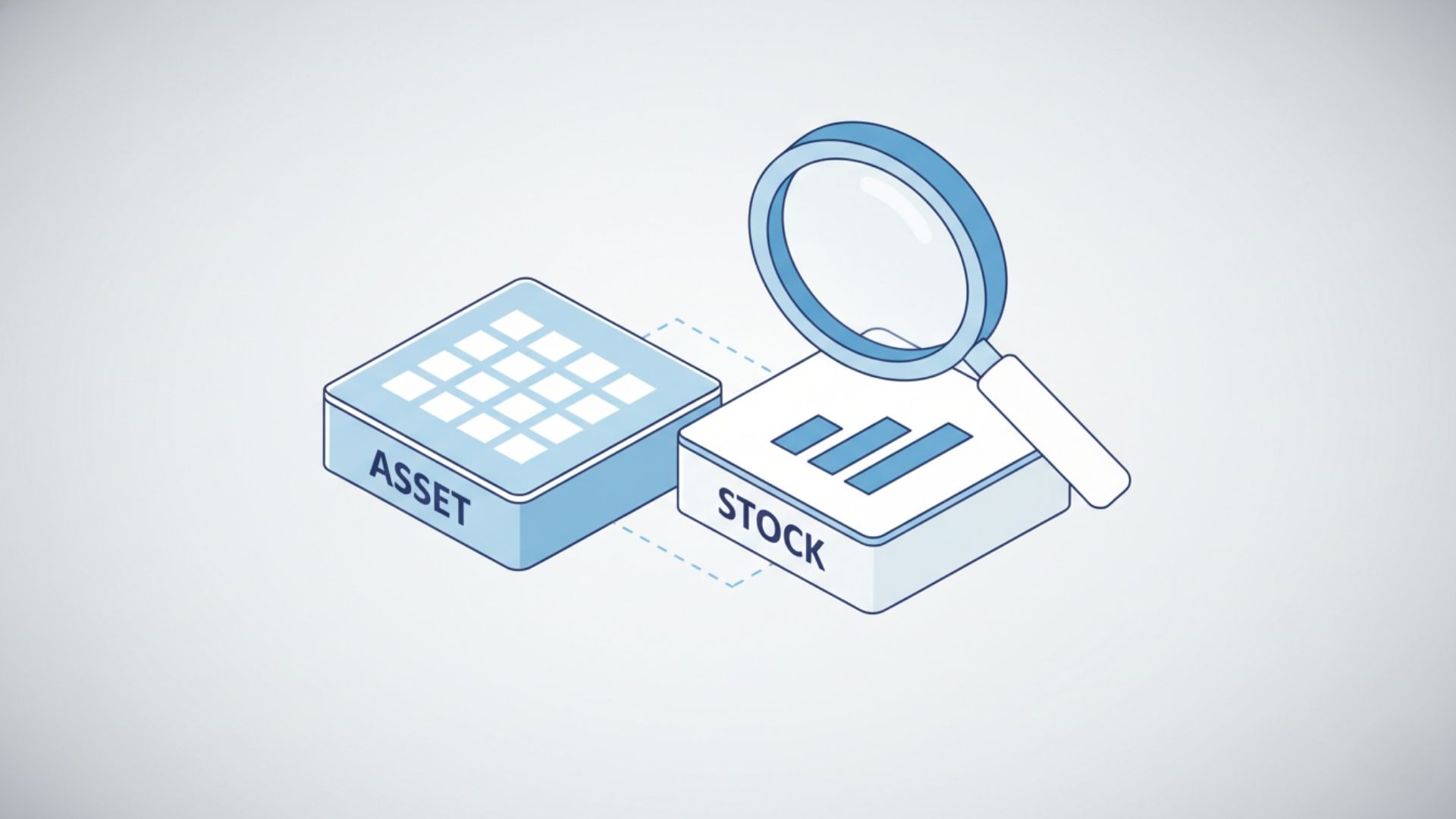
Trying to decide which structure works best for your transaction?
The choice between asset sale vs stock sale impacts your tax bill, legal exposure, and how smoothly the deal closes. Each structure comes with its own set of rules and consequences.
Here’s a detailed comparison that breaks down the key factors you need to consider:
| Factor | Asset Sale | Stock Sale |
|---|---|---|
| What’s sold | Selected assets only | Entire company shares |
| Liabilities | Buyer avoids most | Buyer inherits all |
| Complexity | More complex | Simpler process |
| Business continuity | May cause disruption | No disruption |
| Contracts/licenses | Need consent to transfer | Transfer automatically |
| Taxes | Favors buyers | Favors sellers |
| Due diligence | Less required | More required |
Both structures offer distinct benefits and drawbacks. Your choice should align with your financial goals, how much risk you’re willing to accept, and the complexity of the business deal you’re negotiating.
Next, we’ll wrap up with guidance on choosing the right structure for your specific deal.
Which Business Sale Is Better?
Is a stock or asset sale better? The honest answer depends on which side you’re on and what you want from the deal.
Are you the buyer? Asset sales usually work in your favor. You pick what you want and avoid hidden problems. Past lawsuits, unpaid taxes, and mystery debts stay with the seller.
But if you’re selling, stock sales often make more sense. You pay lower capital gains taxes. The process moves faster. You hand over the keys and cash your check without sorting through endless paperwork.
Think about your priorities. Do you value protection over speed? Asset sales give you safety but take longer. Do you want simplicity over control? Stock sales close quickly, but transfer everything, including risks.
Consider the business itself, too. Small companies with few contracts? Asset sales work fine. Large corporations with complex agreements? Stock sales cause less disruption.
Your tax situation matters enormously. Buyers save money with asset sales through depreciation deductions. Sellers save with stock sales through favorable tax rates. Run the numbers before deciding.
Neither option wins every time. The better choice matches your specific goals, timeline, and risk comfort level.
Conclusion
So which path makes sense for your deal?
Both options reshape how ownership changes hands. One lets you pick and select. On the other hand, do everything at once.
Think about what matters most. Do you want protection from past problems?
Go with cherry-picking individual items. Need a quick, smooth handoff? Your financial situation plays a big role, too. Tax bills change based on the method you pick.
What works for one deal might fail another. Every situation brings different challenges. Talk to experts who handle these deals daily.
Get legal and financial guidance before signing anything. One wrong move could cost you thousands.
Ready to move forward?
Connect with a qualified professional today to map out the best approach for your unique circumstances.