
Which book could change your career this year?
With thousands of business titles published annually, finding ones worth your time feels overwhelming. Most collect dust on shelves. Only a handful become classics that people reference decades later.
Here’s the truth: the best business books of all time share something special. They contain lessons that work across industries and generations. They’re based on real research and tested experience.
This guide pulls together essential titles recommended by Harvard Business Review, Goodreads, and leading business experts.
You’ll find short summaries for each book to help you decide what to read next.
Top 30 Must-Read Business Books of All Time
Check the books that have shaped how people think, lead, and build organizations. Together, these books form a guide to lasting success and more intelligent decisions.
1. The 7 Habits of Highly Effective People by Stephen R. Covey
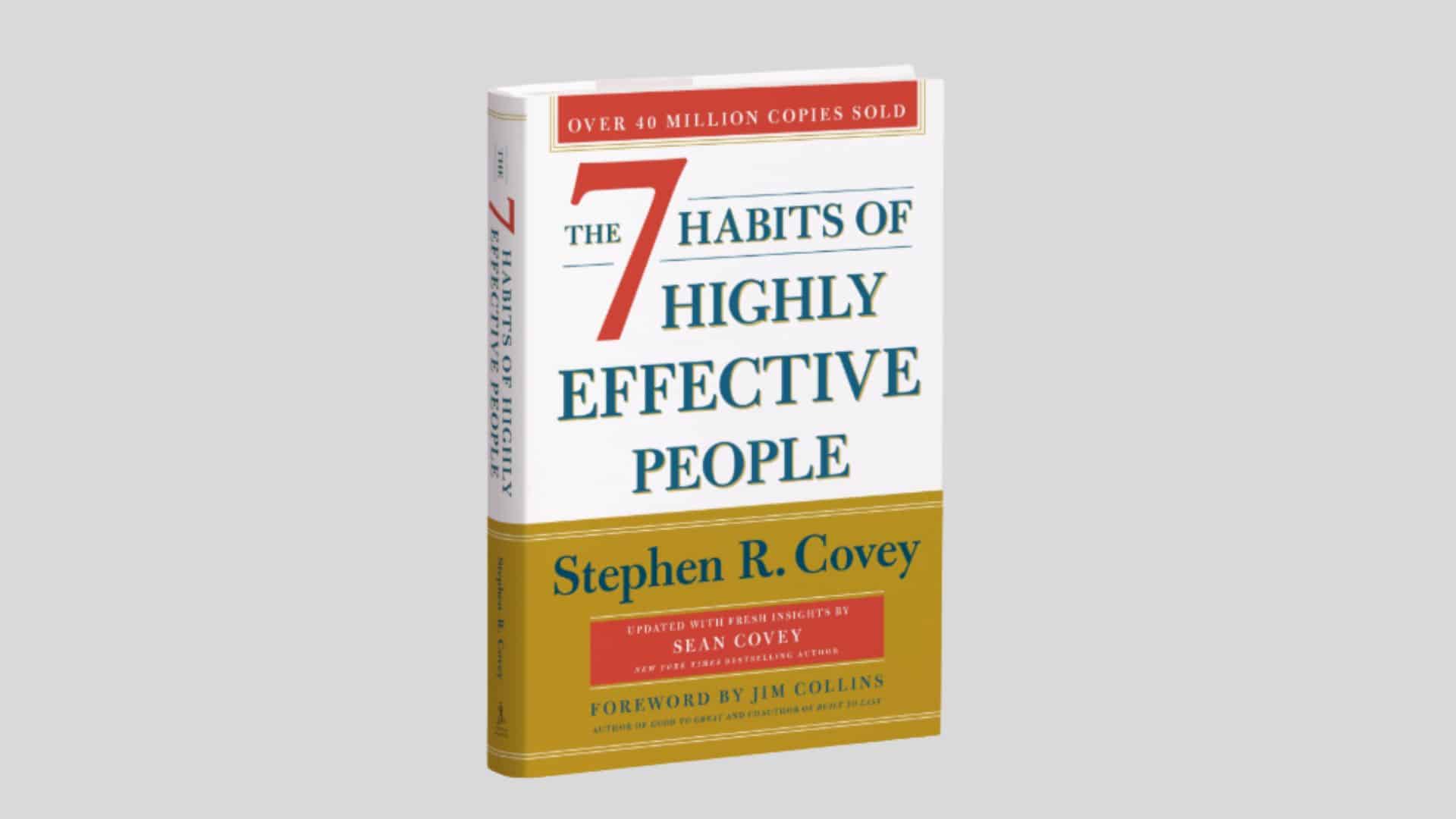
Stephen Covey built a framework that has helped millions of people become better leaders. This book focuses on principles that remain constant over time. You’ll learn how to be more productive and build strong relationships.
The seven habits cover everything from taking control of your choices to working well with others. Covey writes in a way that makes complex ideas easy to understand. The book provides tools that you can apply immediately in both your work and personal life.
Key takeaway: Focus on what you can control. Build your character before trying to build your skills.
2. How to Win Friends & Influence People by Dale Carnegie
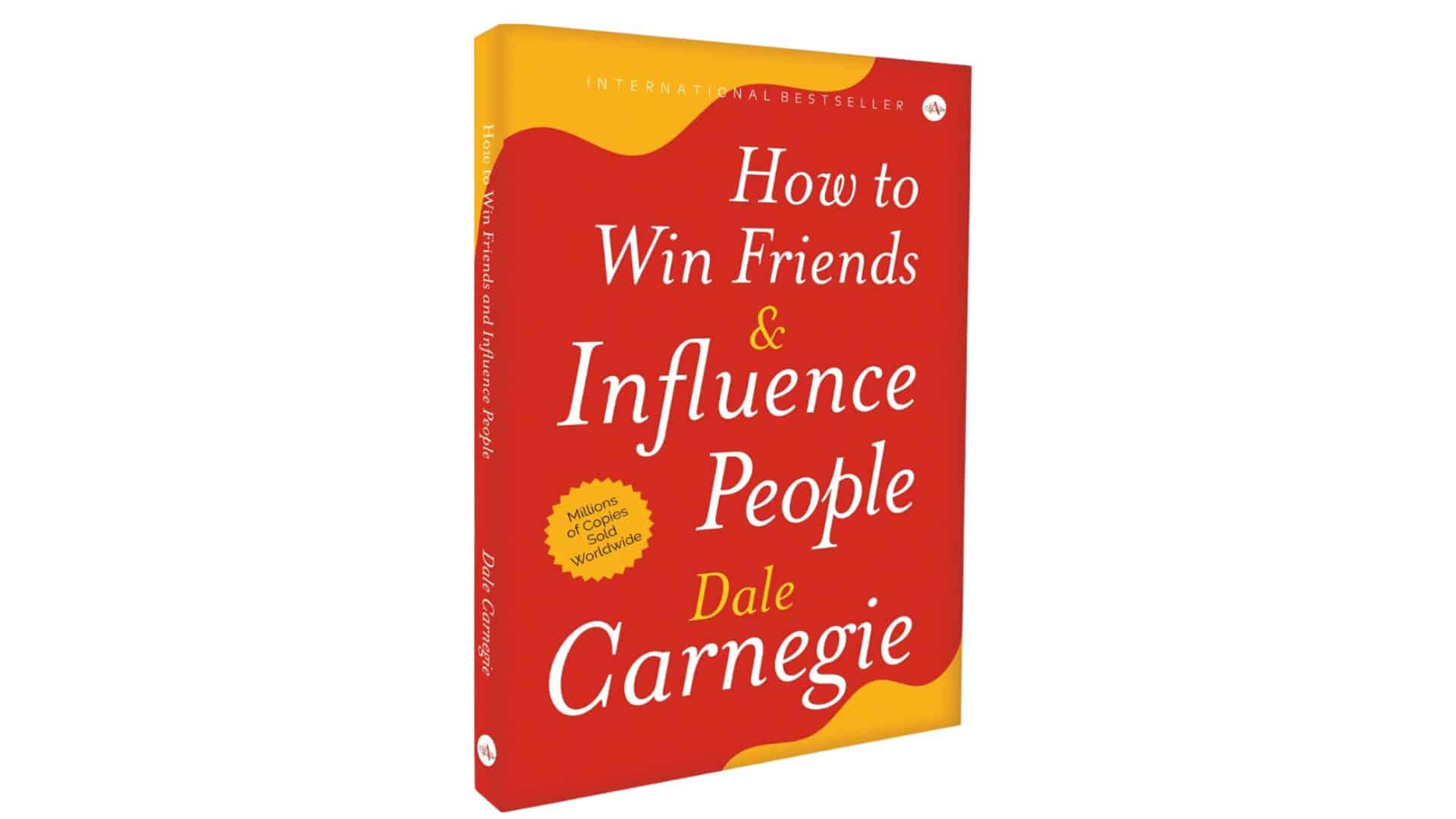
Dale Carnegie wrote this book in 1936, and it remains effective today. The core message is simple: treat people well, and they’ll want to work with you. Carnegie shares stories that demonstrate how small changes in behavior can yield significant results.
You’ll learn techniques for making better first impressions. The book teaches you how to handle conflicts without making enemies. These skills matter in every job and every relationship.
Key takeaway: Listen more than you talk. Show genuine interest in others before asking for what you need.
3. Mindset by Carol Dweck
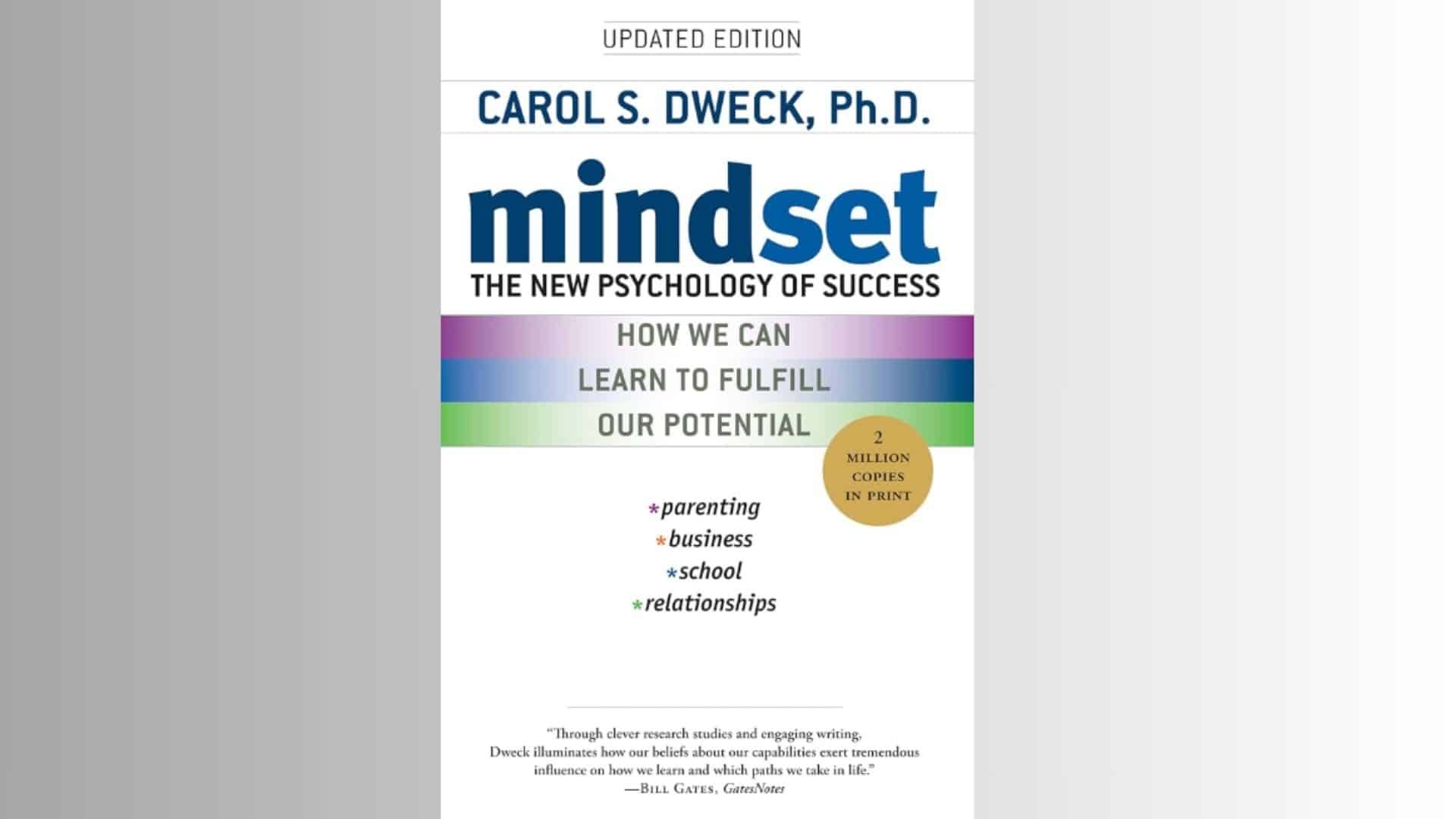
Carol Dweck spent years studying why some people grow while others stay stuck. She found that your beliefs about learning shape your entire career. People with a growth mindset see challenges as chances to improve.
The book explains how to spot fixed mindset thinking in yourself. Dweck demonstrates how leaders can foster environments where teams feel secure enough to take risks and try new things.
Key takeaway: Your abilities can grow with effort. Failure is information, not a final verdict.
4. Daring Greatly by Brené Brown

Brené Brown studies courage, shame, and connection. In this book, she makes the case that showing vulnerability is a leadership skill. Many leaders try to look perfect, but that approach backfires.
Brown’s research shows that teams perform better when leaders admit what they don’t know. She offers practical ways to build trust and create honest conversations. The book challenges old ideas about what makes someone strong.
Key takeaway: You can’t connect with others if you hide behind a mask. Real leadership requires the courage to be seen.
5. The Effective Executive by Peter F. Drucker
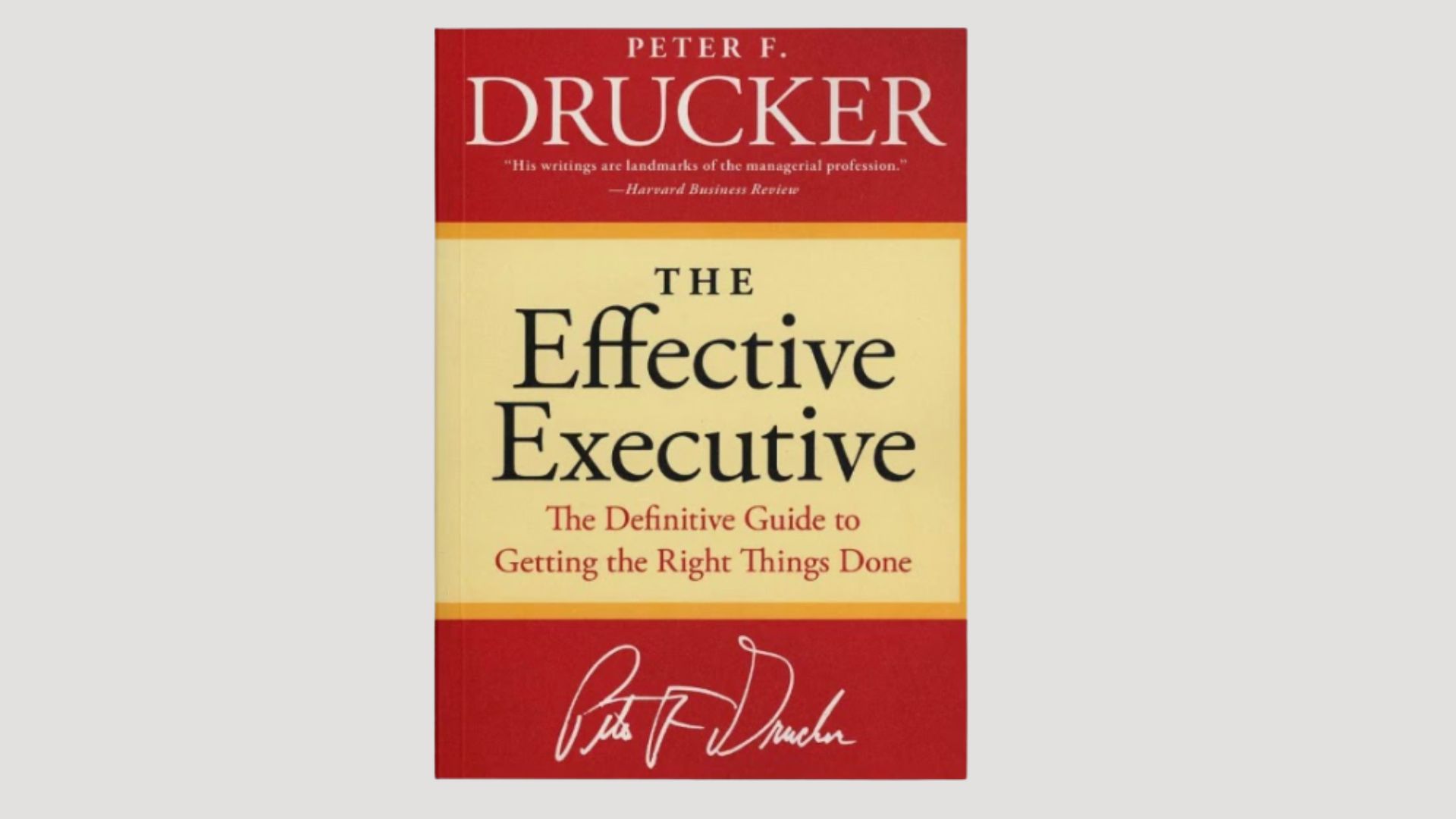
Peter Drucker is often referred to as the father of modern management. This short book cuts straight to what matters: how you spend your time and make decisions. Drucker argues that effectiveness is a skill you can learn.
He breaks down five practices that all great leaders share. The writing is clear and focused. You won’t find fluff here, just tested methods that work across industries.
Key takeaway: Know where your time goes. Focus on contributions, not just activities.
6. Good to Great by Jim Collins
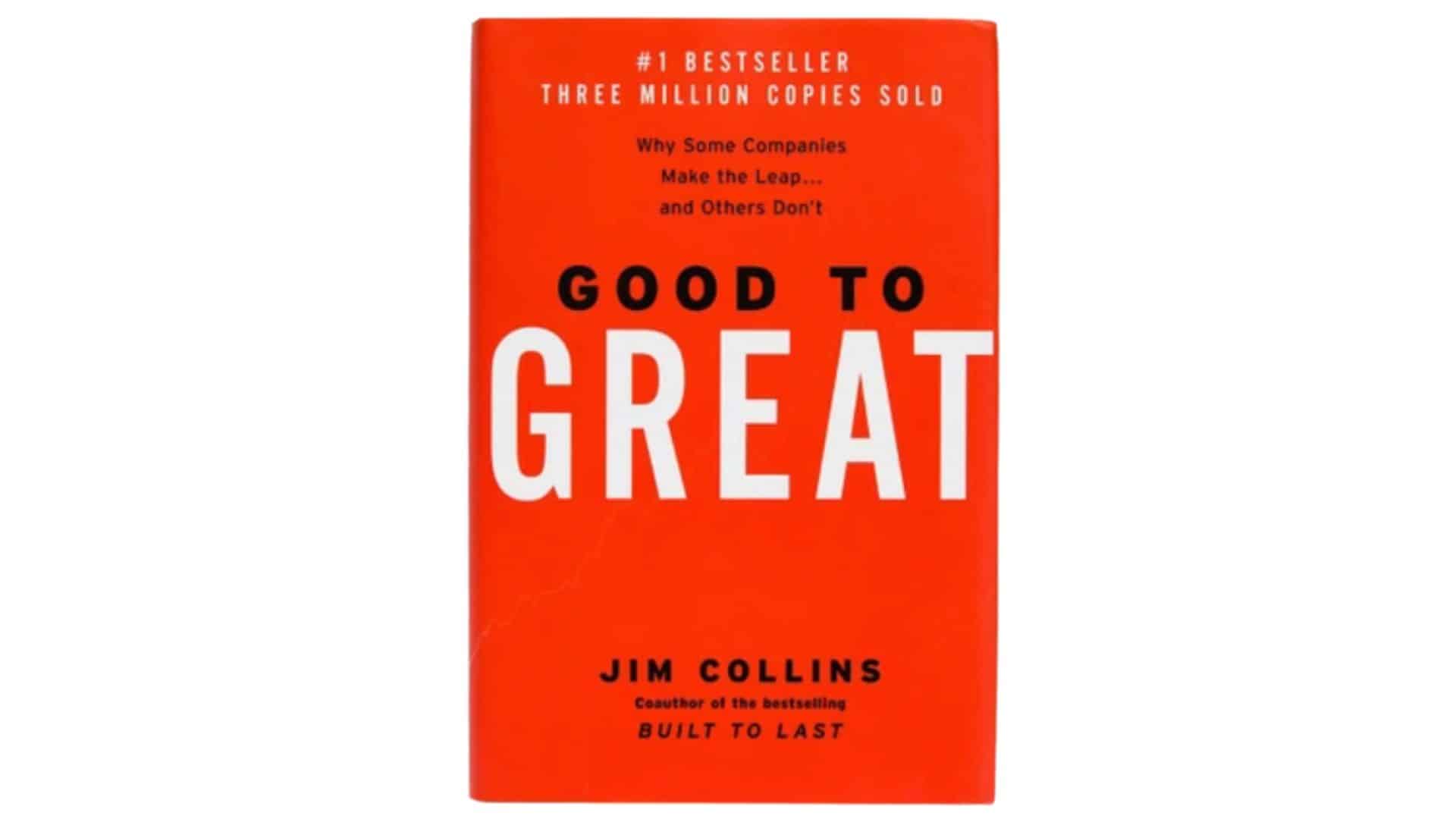
Jim Collins and his team spent five years studying companies that made the jump from average to excellent. They examined what distinguished these winners from thousands of other firms. The results surprised them.
Collins found that great companies follow similar patterns. They get the right people first, then figure out where to go. They face hard truths but never lose faith. The book is packed with data but reads like a story.
Key takeaway: Greatness is a choice, not a circumstance. Discipline matters more than genius.
7. Blue Ocean Strategy by Kim & Mauborgne
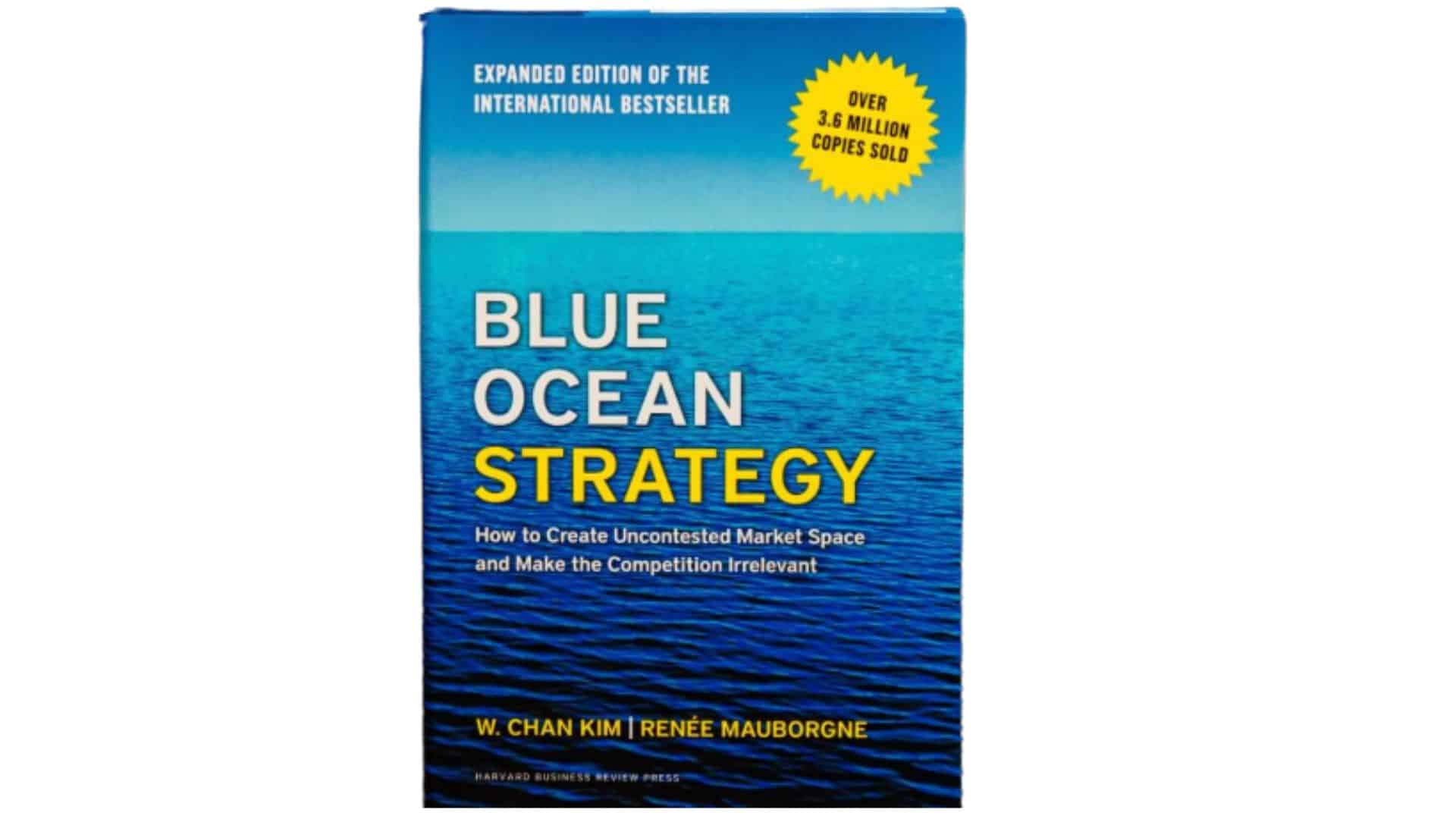
Most companies fight in crowded markets where competition is fierce. Kim and Mauborgne argue that there’s a better way: create new markets where competition doesn’t yet exist. They call these spaces blue oceans.
The book provides tools to identify opportunities that others miss. You’ll learn how to make competition irrelevant by offering something truly different. Case studies demonstrate how companies like Cirque du Soleil have utilized this approach to achieve significant success.
Key takeaway: Stop fighting over the same customers. Create value that opens up new demand.
8. Playing to Win by A.G. Lafley & Roger Martin
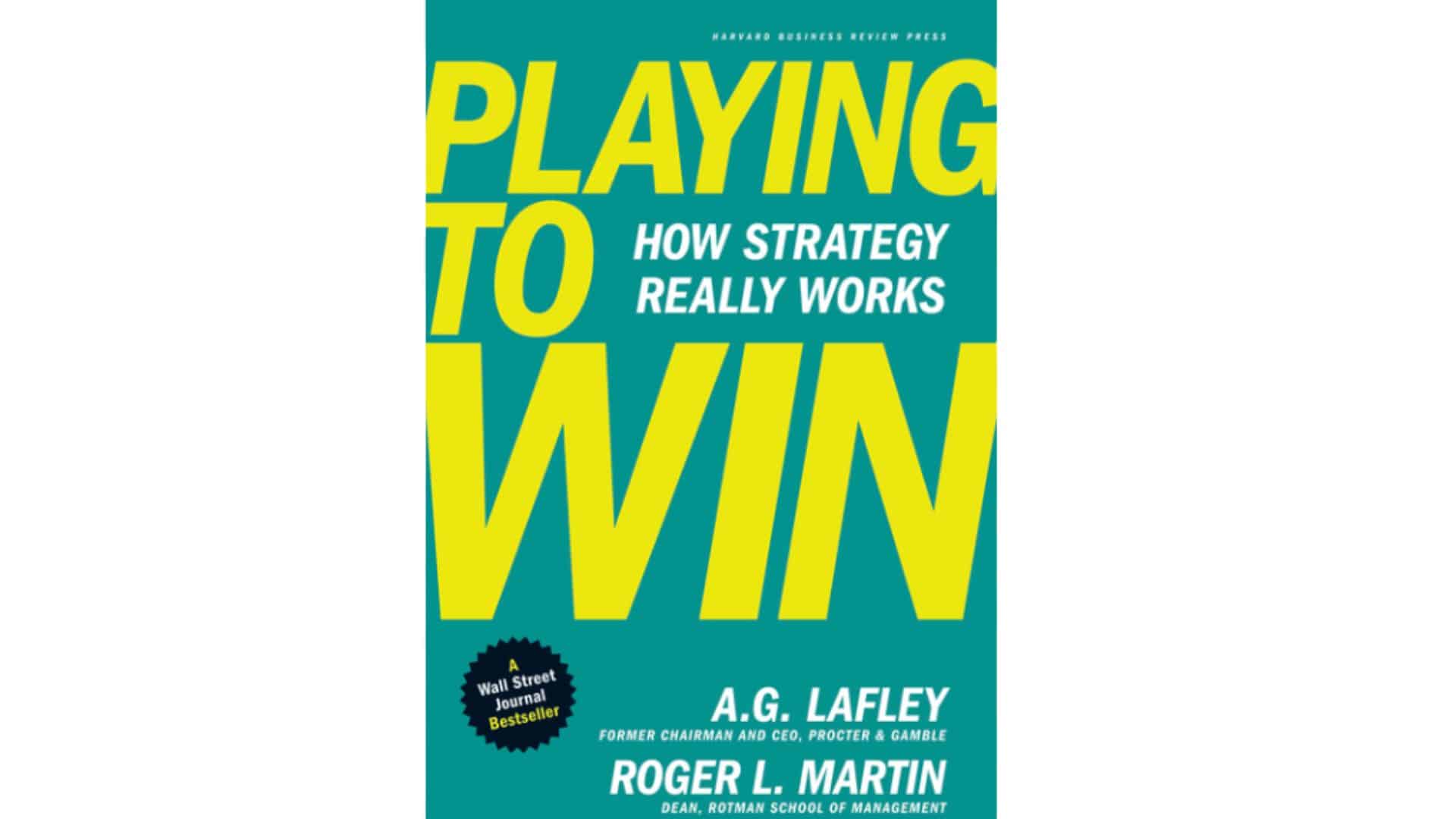
A.G. Lafley led Procter & Gamble through major growth by asking better questions about strategy. He and Roger Martin demonstrate how to make informed choices about where to compete and how to achieve success. Strategy isn’t about plans; it’s about making tough decisions.
The book guides readers through five key choices that every company must make. Lafley shares real examples from P&G brands. The framework works for both large corporations and small teams.
Key takeaway: Strategy means choosing what not to do. Winning requires placing bets, not hedging them.
9. The Innovator’s Dilemma by Clayton Christensen
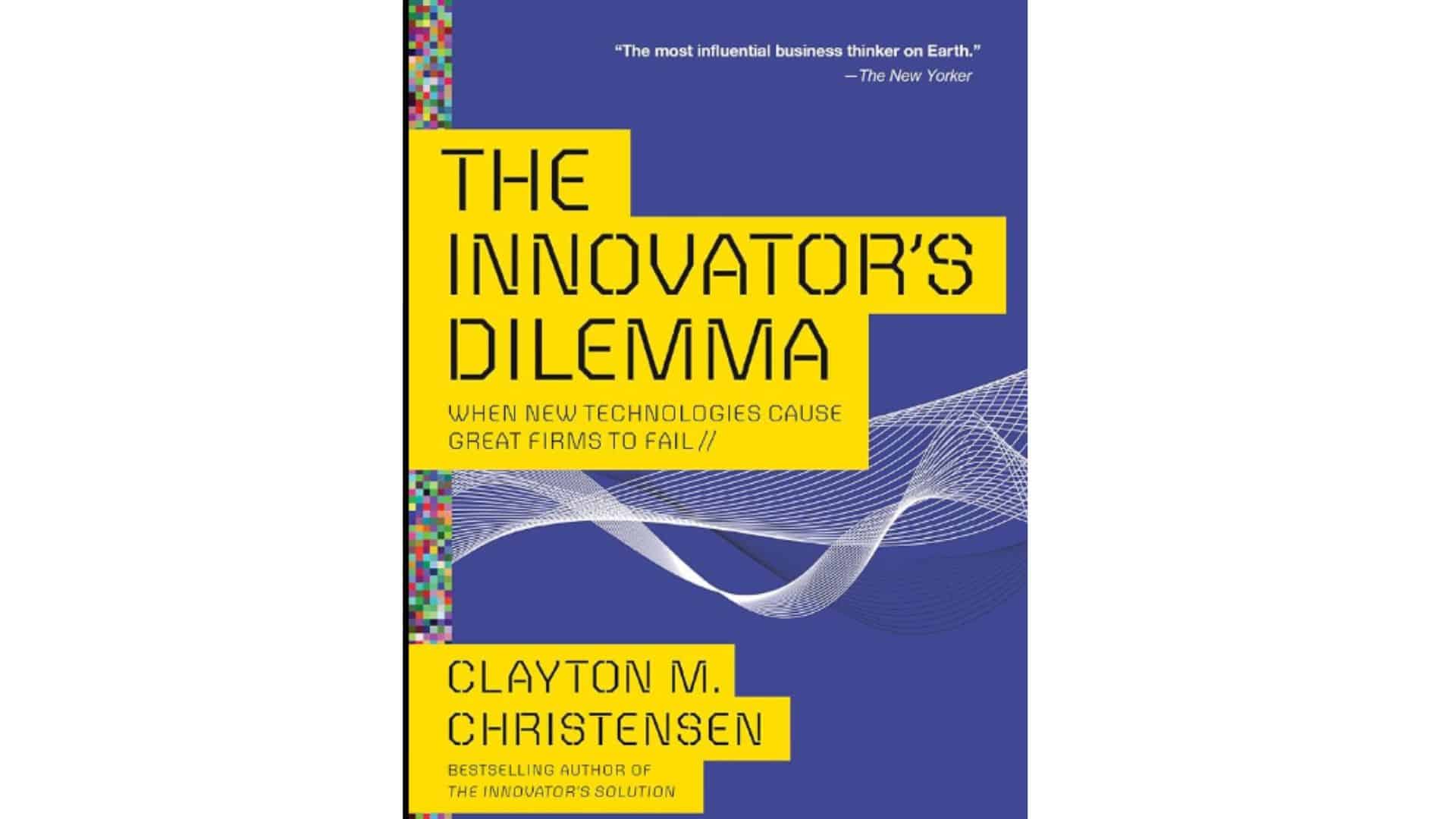
Clayton Christensen explains a puzzle: why do successful companies fail when the market shifts? He discovered that doing everything “right” can actually lead to failure. Established firms focus on current customers and miss new technologies that start small.
The book introduces the concept of disruptive innovation. Christensen uses detailed case studies from industries like disk drives and steel. His insights help leaders spot threats before they become fatal.
Key takeaway: Listen to customers, but watch for new markets forming at the edges. Success today can blind you to tomorrow’s changes.
10. Measure What Matters by John Doerr
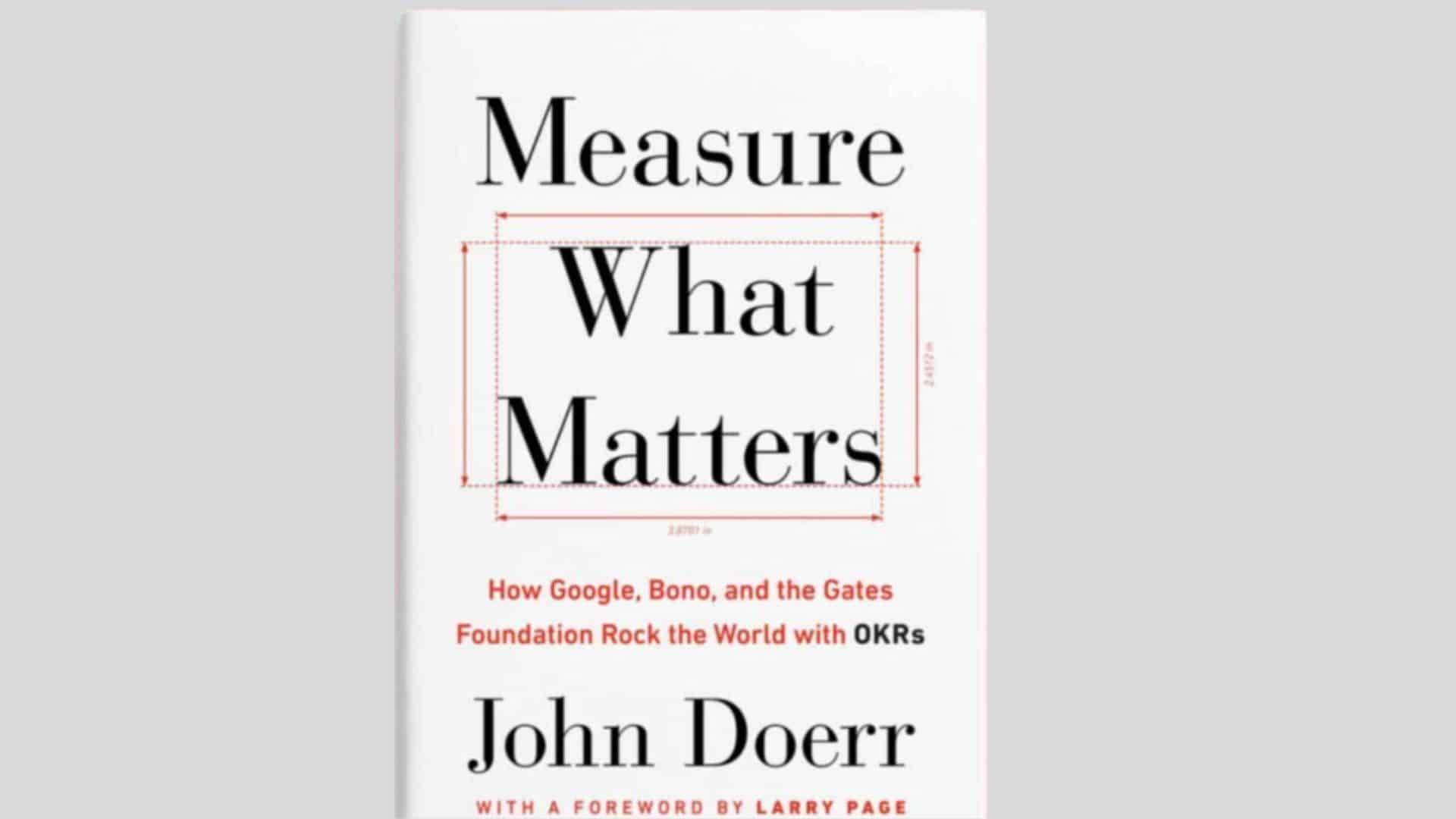
John Doerr brought the OKR system to Google in 1999. This book explains how Objectives and Key Results help teams stay focused on what matters most. OKRs keep everyone aligned without creating heavy bureaucracy.
Doerr shares stories from Intel, Google, and other companies that use this method. You’ll learn how to set ambitious goals and track progress with clear metrics. The system works for teams of any size.
Key takeaway: Set a few clear objectives. Measure results, not activities.
11. The Lean Startup by Eric Ries
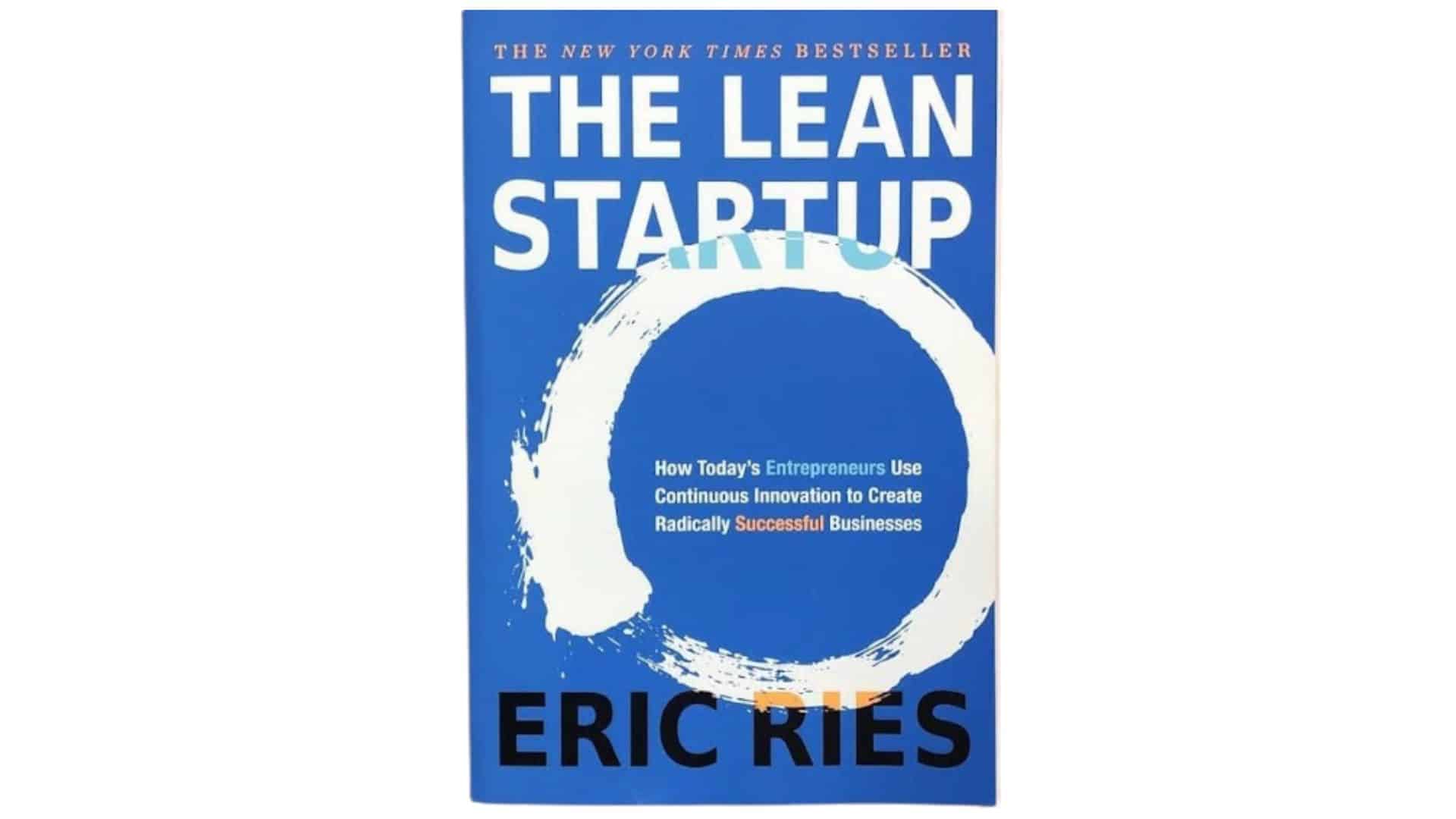
Eric Ries built a method for starting companies with less waste. Instead of spending months building a product, test your ideas fast with real customers. Learn what works, then adjust your approach based on the feedback you receive.
The book introduces concepts like the minimum viable product and validated learning. Ries shows how to run experiments that indicate whether you’re on the right track. This approach saves time and money.
Key takeaway: Build, measure, learn, repeat. Speed of learning beats perfection.
12. The Hard Thing About Hard Things by Ben Horowitz
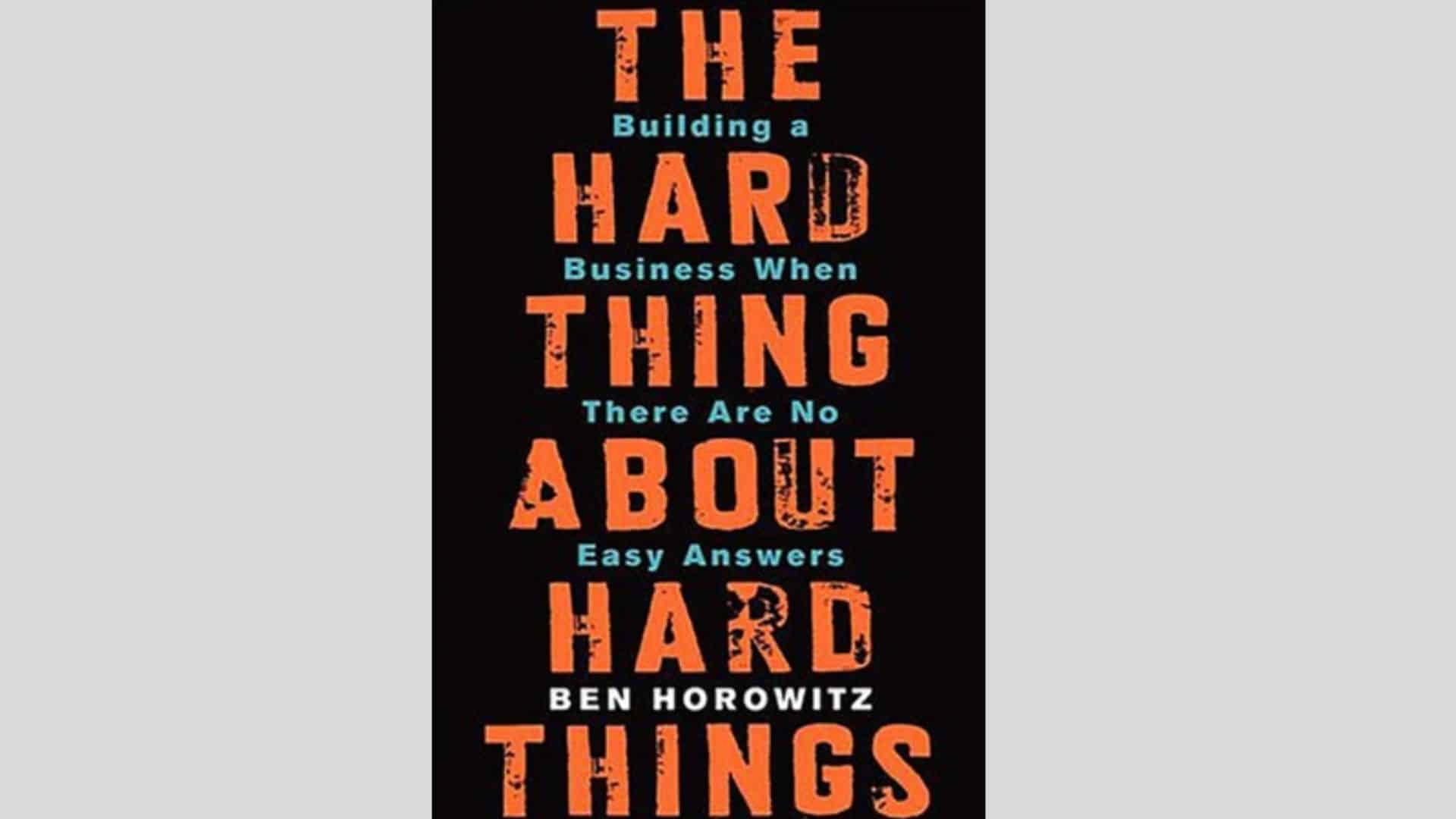
Ben Horowitz doesn’t sugarcoat what it’s like to run a company. This book covers the problems that business school doesn’t prepare you for: firing friends, managing your own psychology, and making decisions with incomplete information.
Horowitz shares stories from his time building and running Opsware. His advice is practical and honest. You’ll find comfort in knowing that every leader struggles with the same challenges.
Key takeaway: There’s no formula for hard decisions. Do the right thing even when it hurts.
13. Zero to One by Peter Thiel
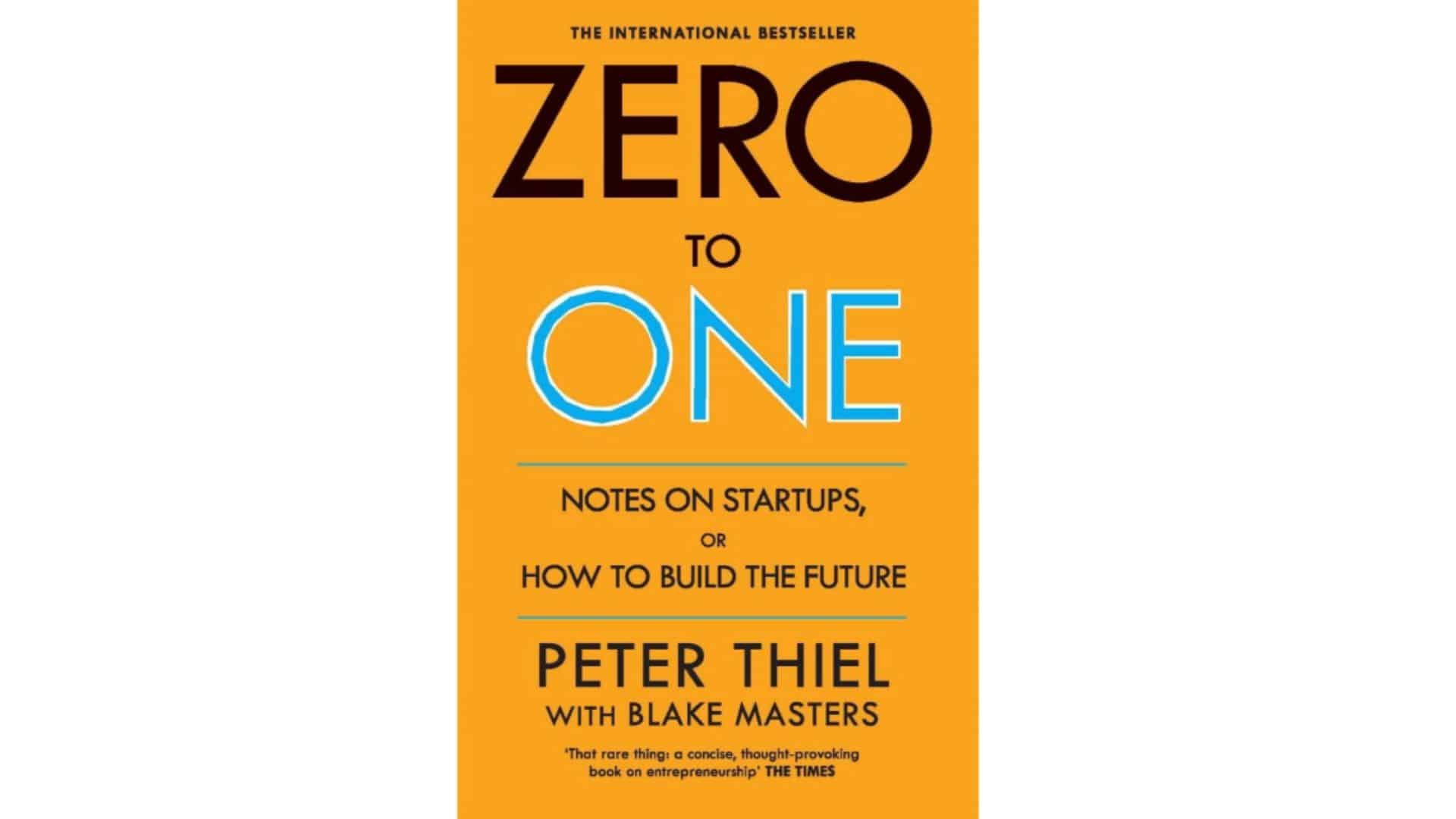
Peter Thiel argues that real progress comes from creating something new, rather than copying what already exists. Going from zero to one means bringing something into the world that wasn’t there before. This book challenges you to think differently about innovation.
Thiel shares lessons from founding PayPal and investing in Facebook. He covers topics such as monopoly, competition, and uncovering secrets that others miss. The writing is provocative and makes you question common wisdom.
Key takeaway: Competition is for losers. Build something so unique that you define a new category.
14. The E-Myth Revisited by Michael Gerber
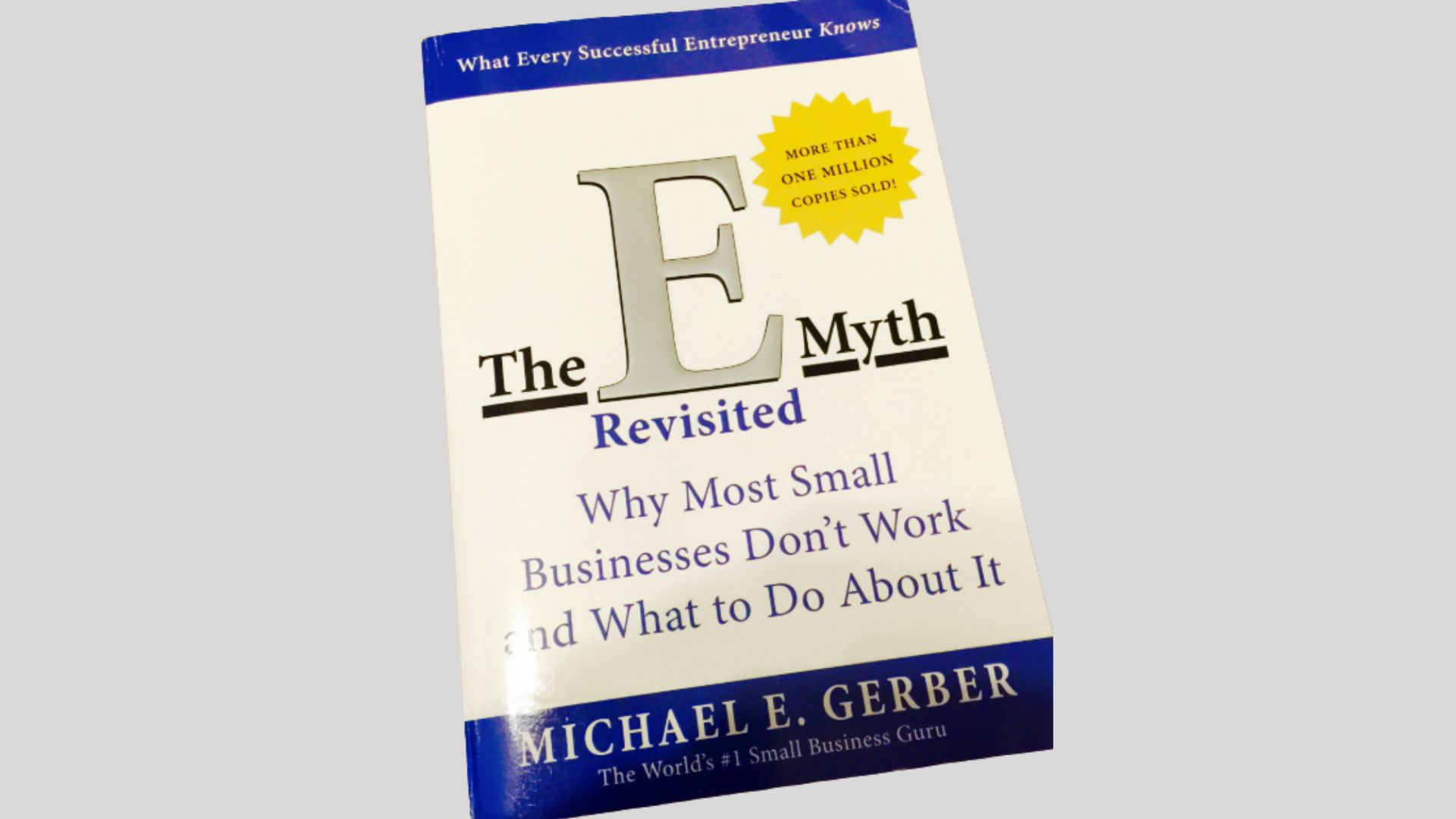
Michael Gerber explains why most small businesses fail within the first five years. The reason? Founders often confuse being skilled in a technical area with knowing how to run a business effectively. They work in the business instead of on it.
The book teaches you how to build systems that run without you. Gerber uses the story of a struggling bakery to illustrate his points. You’ll learn to think like a franchiser even if you never plan to franchise.
Key takeaway: Document your processes. Build a business that works because of the system, not because of you.
15. Rework by Jason Fried & DHH
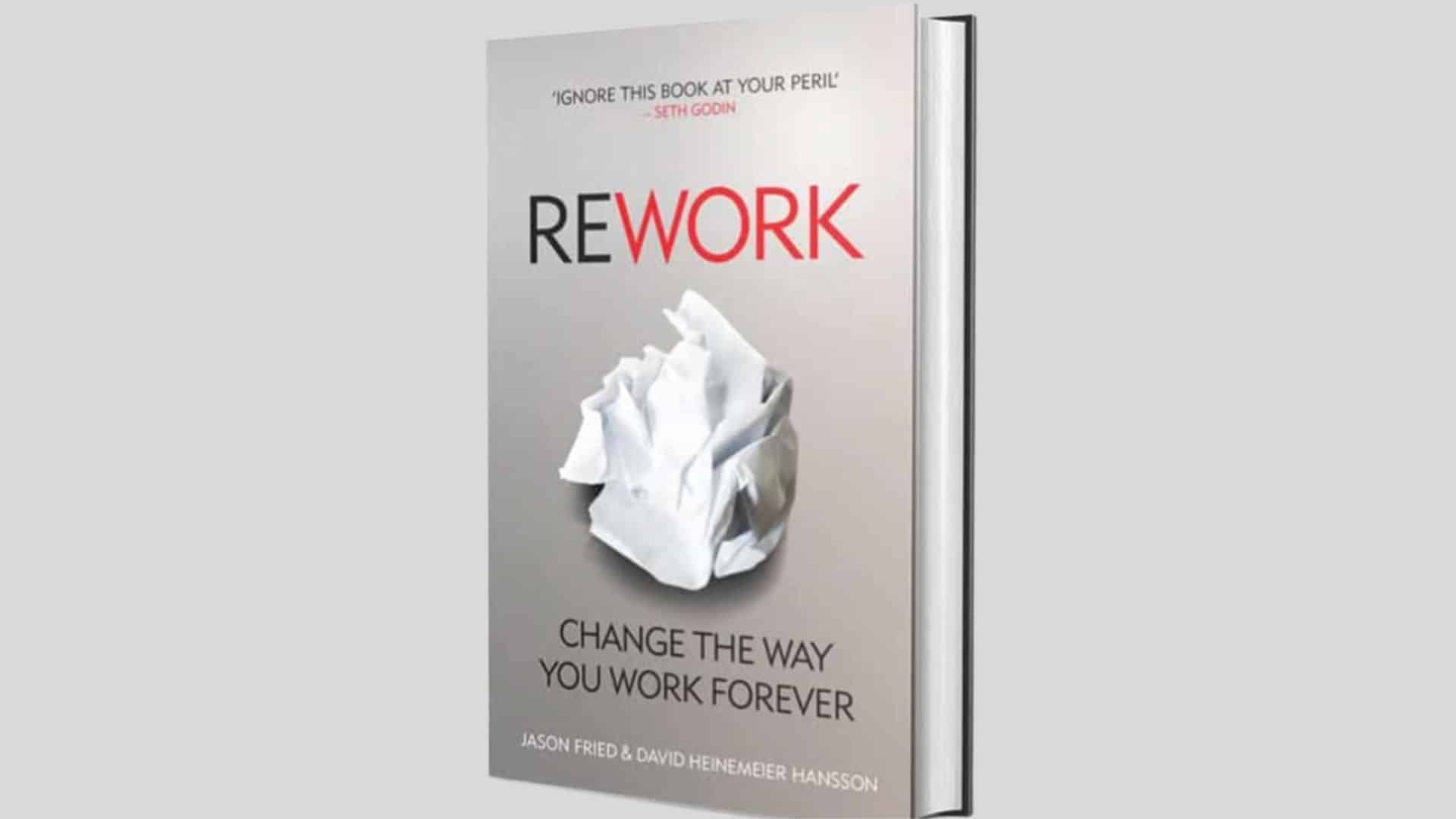
Jason Fried and David Heinemeier Hansson run Basecamp with a different philosophy. They believe in working less, that meetings are toxic, and that you should ship products quickly. This book challenges traditional business advice at every turn.
The chapters are short and punchy. You’ll find ideas that feel risky but make sense when you think them through. Fried and DHH prove that you don’t need venture capital or a huge team to build something valuable.
Key takeaway: Ignore the rules that don’t serve you. Start making something today, not someday.
16. Thinking, Fast and Slow by Daniel Kahneman
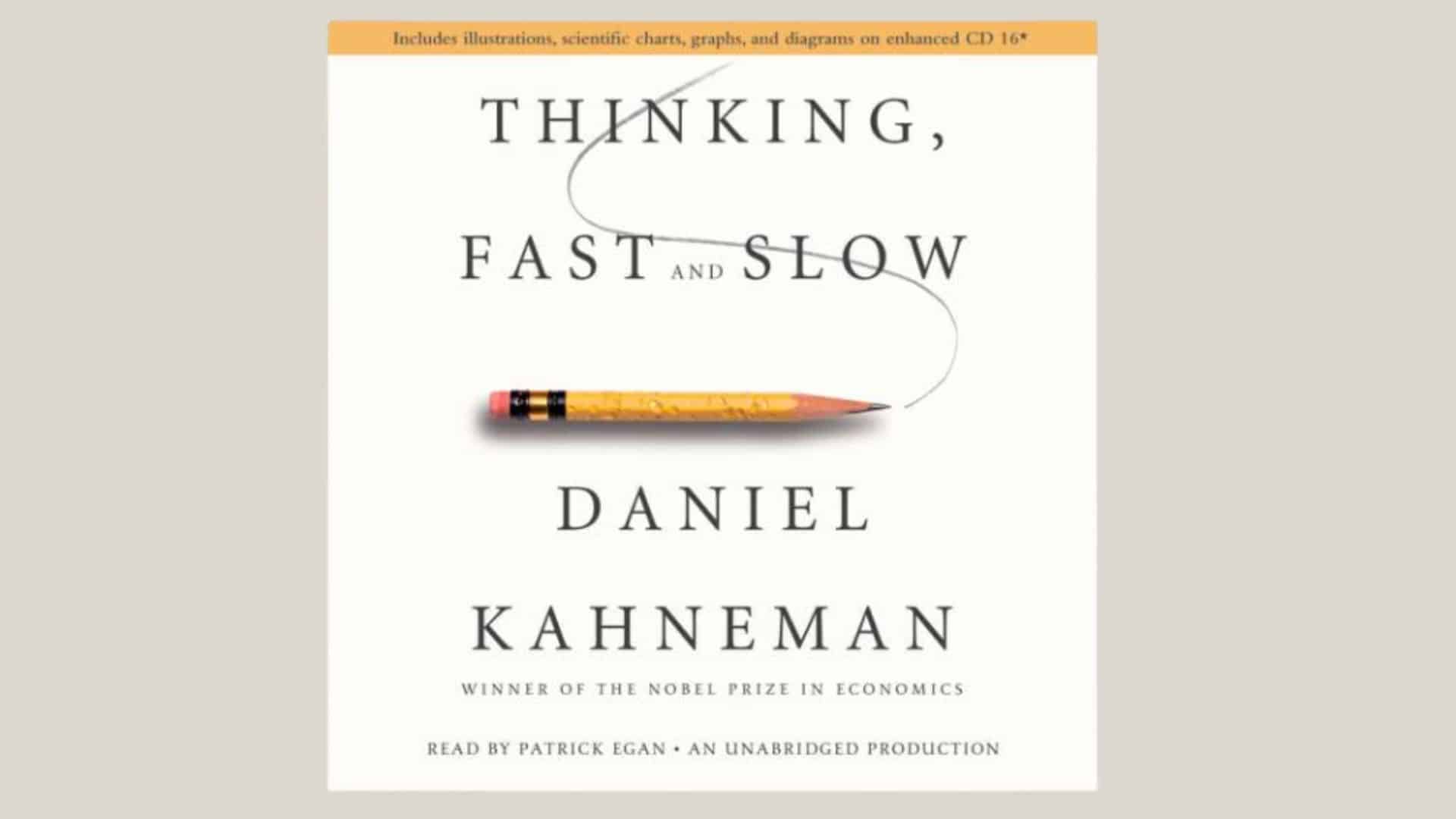
Daniel Kahneman won a Nobel Prize for his work on how people make decisions. This book explains the two systems in your brain: one that thinks fast and relies on instinct, and another that thinks slowly and uses logic. Understanding both helps you avoid costly mistakes.
Kahneman shares decades of research in an accessible and engaging manner. You’ll learn about biases that trick even smart people. The book provides you with tools to make better choices in both business and life.
Key takeaway: Your intuition isn’t always right. Slow down for important decisions.
17. Influence: The Psychology of Persuasion by Robert Cialdini
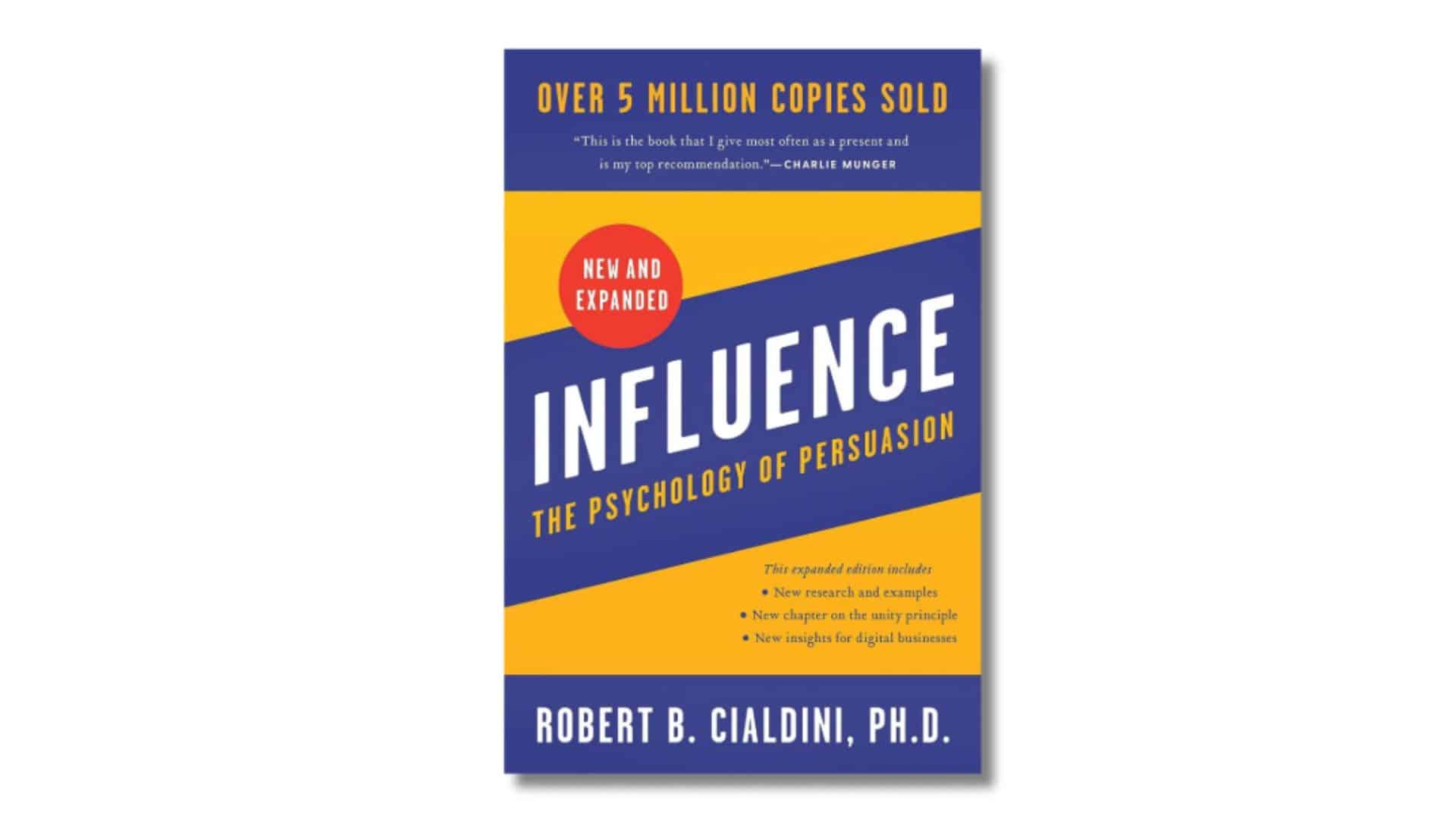
Robert Cialdini identifies six principles that influence people’s tendency to say yes: reciprocity, commitment, social proof, authority, liking, and scarcity. These principles work because they tap into human psychology. Understanding them helps you persuade others in an ethical manner.
The book is full of examples from sales, marketing, and everyday life. Cialdini demonstrates how these principles are applied (and sometimes misused). You’ll spot manipulation tactics and learn to use influence responsibly.
Key takeaway: People are more likely to comply when you trigger the right psychological principle. Use these tools with care.
18. The Power of Habit by Charles Duhigg
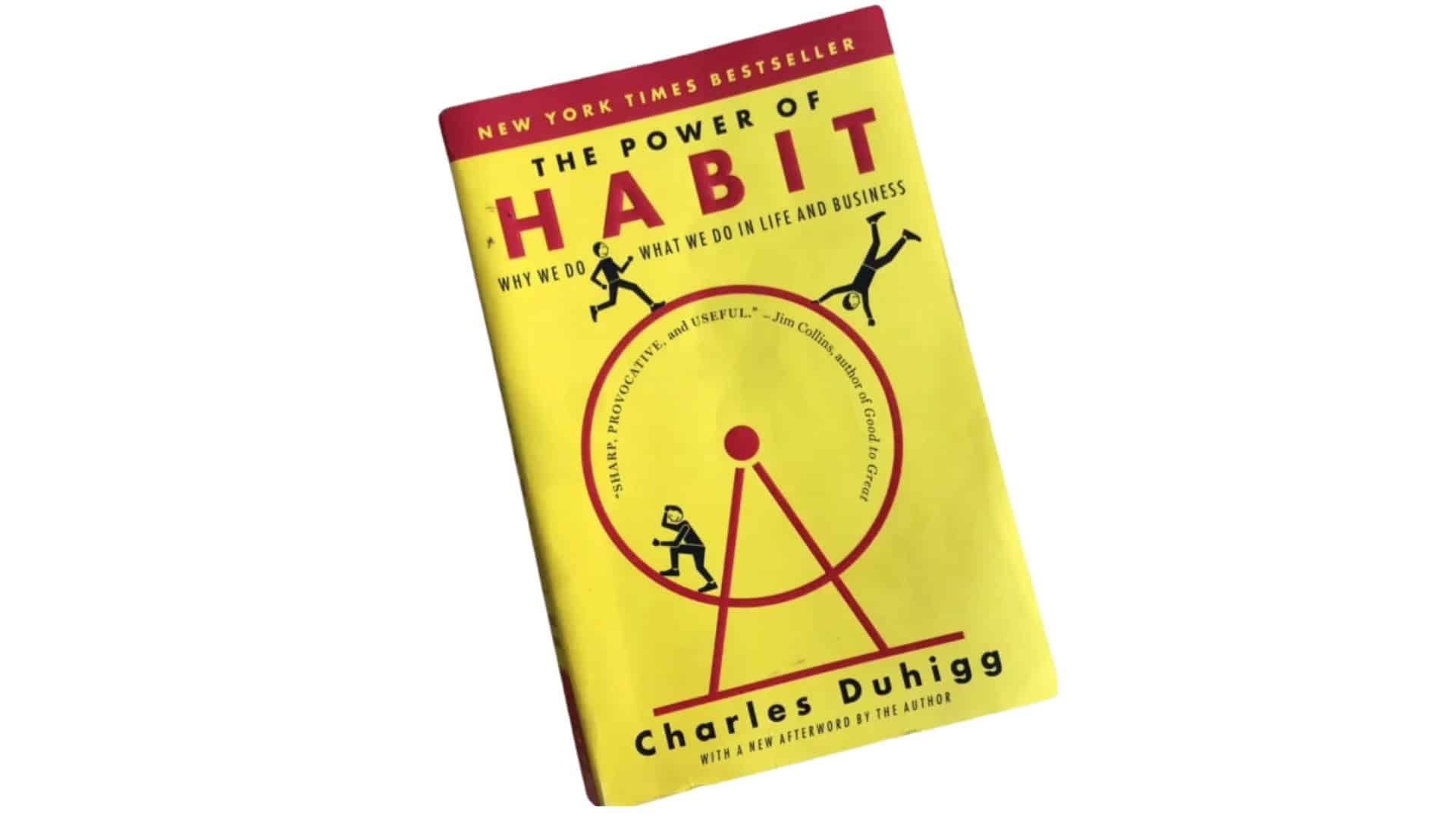
Charles Duhigg explains how habits control much of what we do each day. He breaks down the habit loop: cue, routine, reward. Once you understand this pattern, you can change behaviors that aren’t serving you.
The book covers personal habits, organizational routines, and social movements. Duhigg shares stories from companies like Target and athletes like Michael Phelps. The science is solid, but the writing stays engaging.
Key takeaway: You can’t erase bad habits, but you can replace the with better ones. Change the routine while keeping the cue and reward.
19. Atomic Habits by James Clear
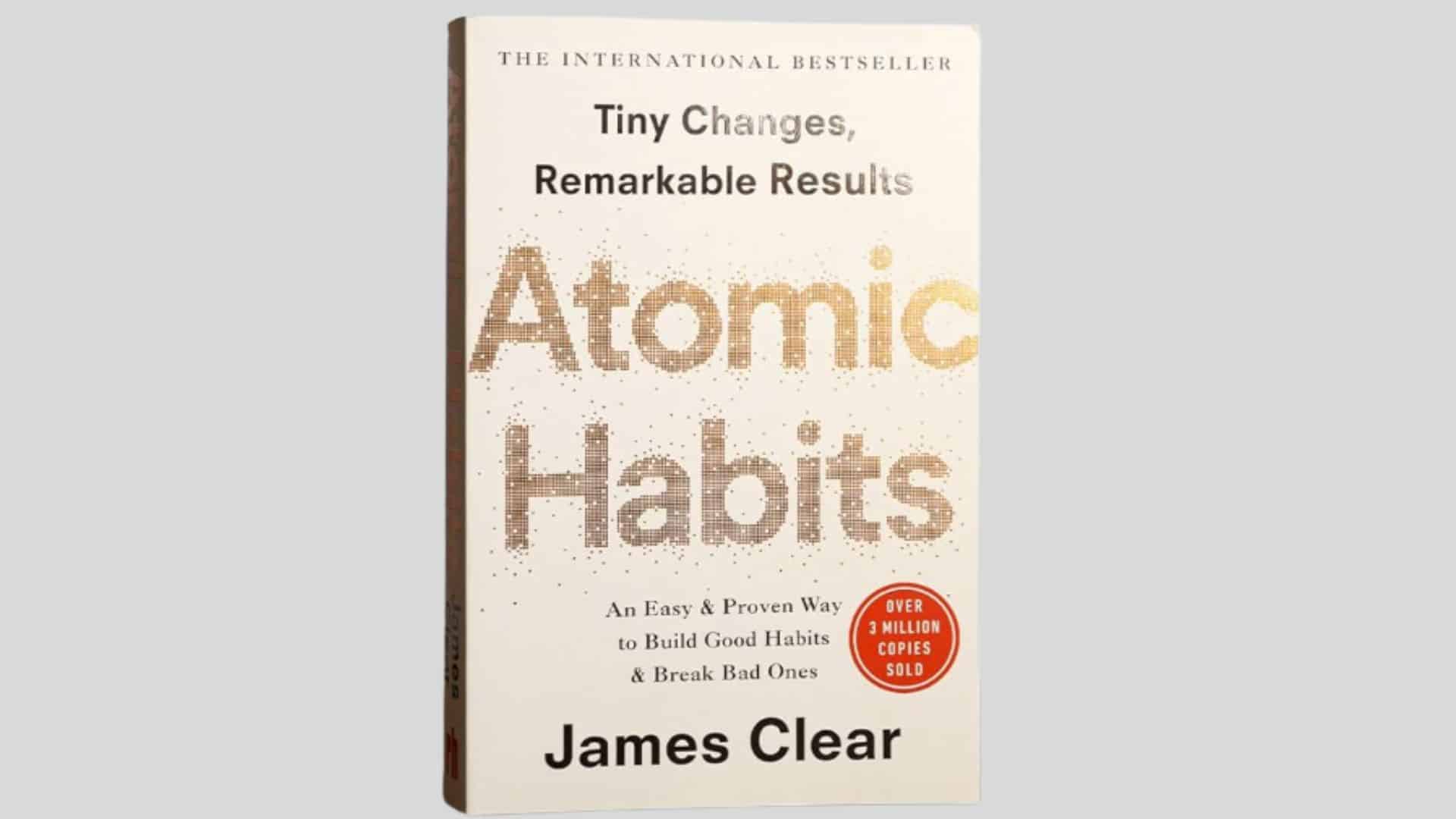
James Clear emphasizes the importance of making small changes that compound over time. You don’t need to overhaul your entire life. Improve by just one percent each day, and the results will surprise you.
Clear provides a framework for building good habits and breaking bad ones. He makes the process simple with clear steps. The book includes practical techniques you can start using immediately.
Key takeaway: Systems beat goals. Focus on the process, not the outcome.
20. Getting Things Done by David Allen
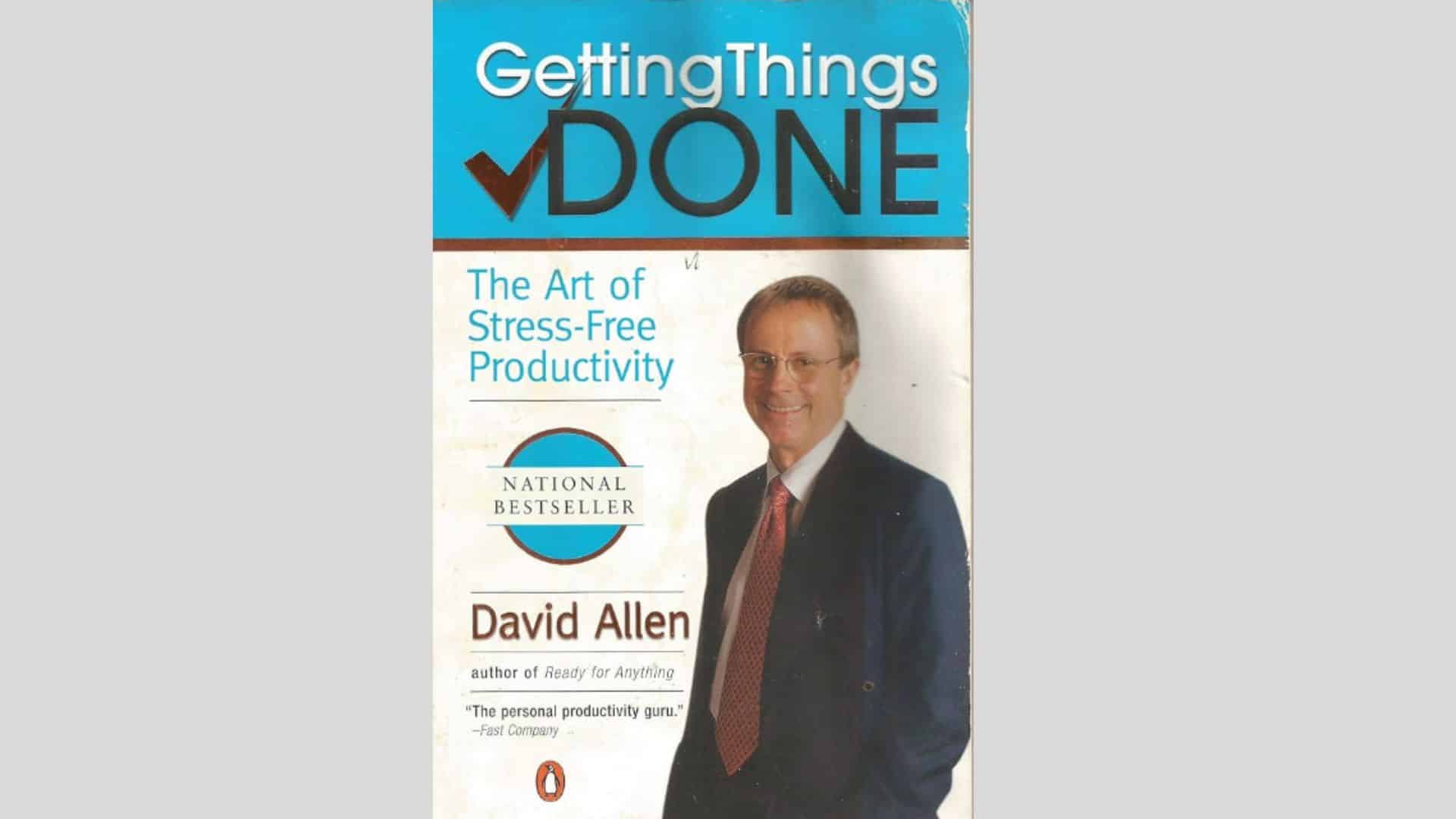
David Allen created a productivity system that helps people manage all the tasks they need to accomplish. His method gets tasks out of your head and into a trusted system. This frees up mental space for creative thinking.
The book walks through each step of the GTD process. Allen demonstrates how to capture, clarify, organize, reflect on, and engage with your work. Many people say this book changed how they work.
Key takeaway: Your mind is for having ideas, not holding them. Build an external system you trust.
21. Made to Stick by Chip & Dan Heath
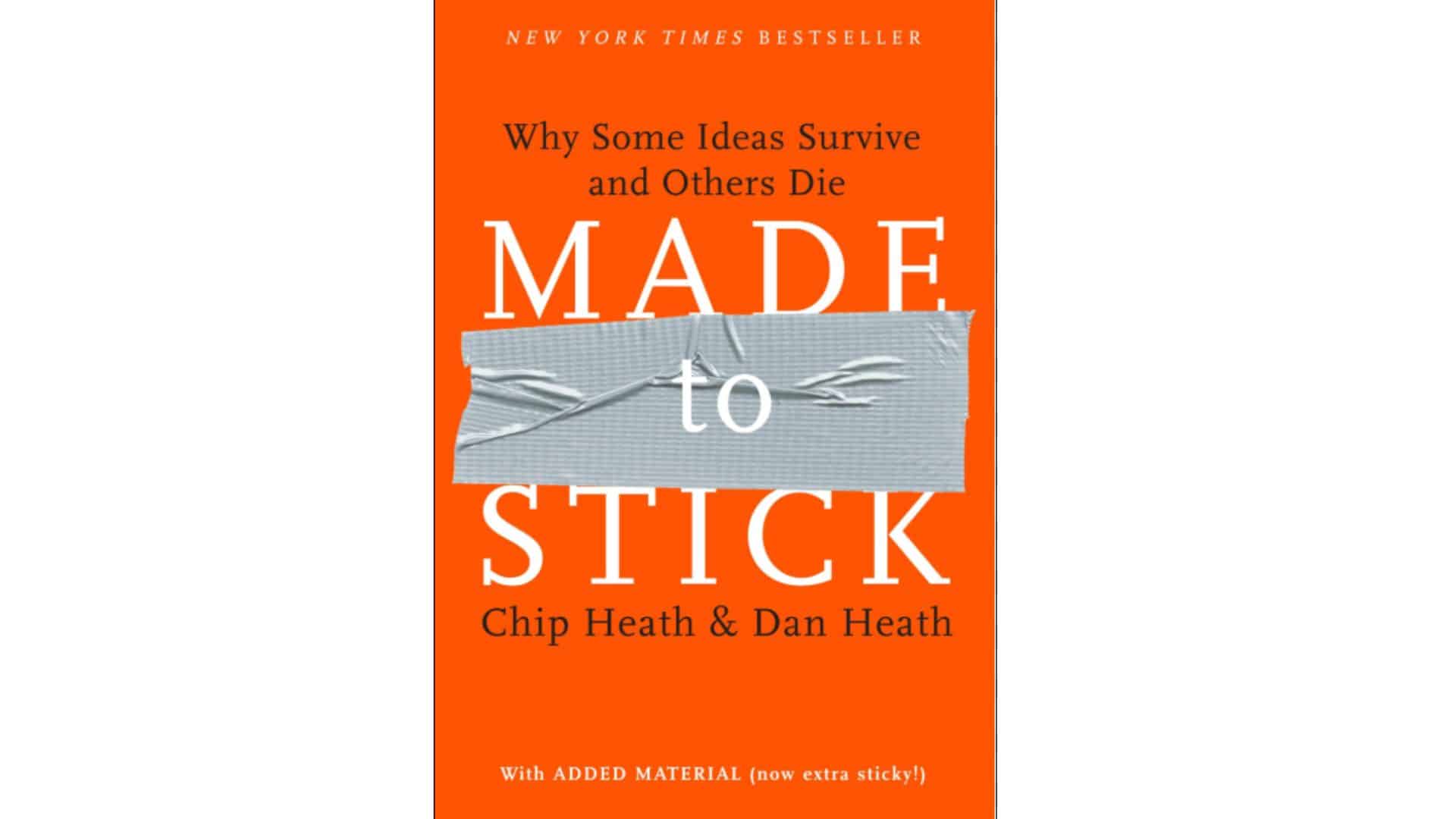
Chip and Dan Heath studied why some ideas spread while others die. They identified six principles that make messages more memorable: simple, unexpected, concrete, credible, emotional, and storytelling. They call this the SUCCESS framework.
The book is full of examples from business, education, and politics. The Heath brothers write with humor and clarity. You’ll learn how to craft messages that people remember and share.
Key takeaway: Strip ideas to their core. Use concrete examples and tap into emotion.
22. Contagious by Jonah Berger

Jonah Berger researched what makes content spread. He identified six factors that drive word of mouth: social currency, triggers, emotion, public, practical value, and stories. Products don’t go viral by accident.
Berger uses case studies to show each principle in action. The book provides a framework for creating things people want to discuss. Marketing works better when customers do it for you.
Key takeaway: Make people look good for sharing. Trigger regular reminders of your product.
23. This is Marketing by Seth Godin
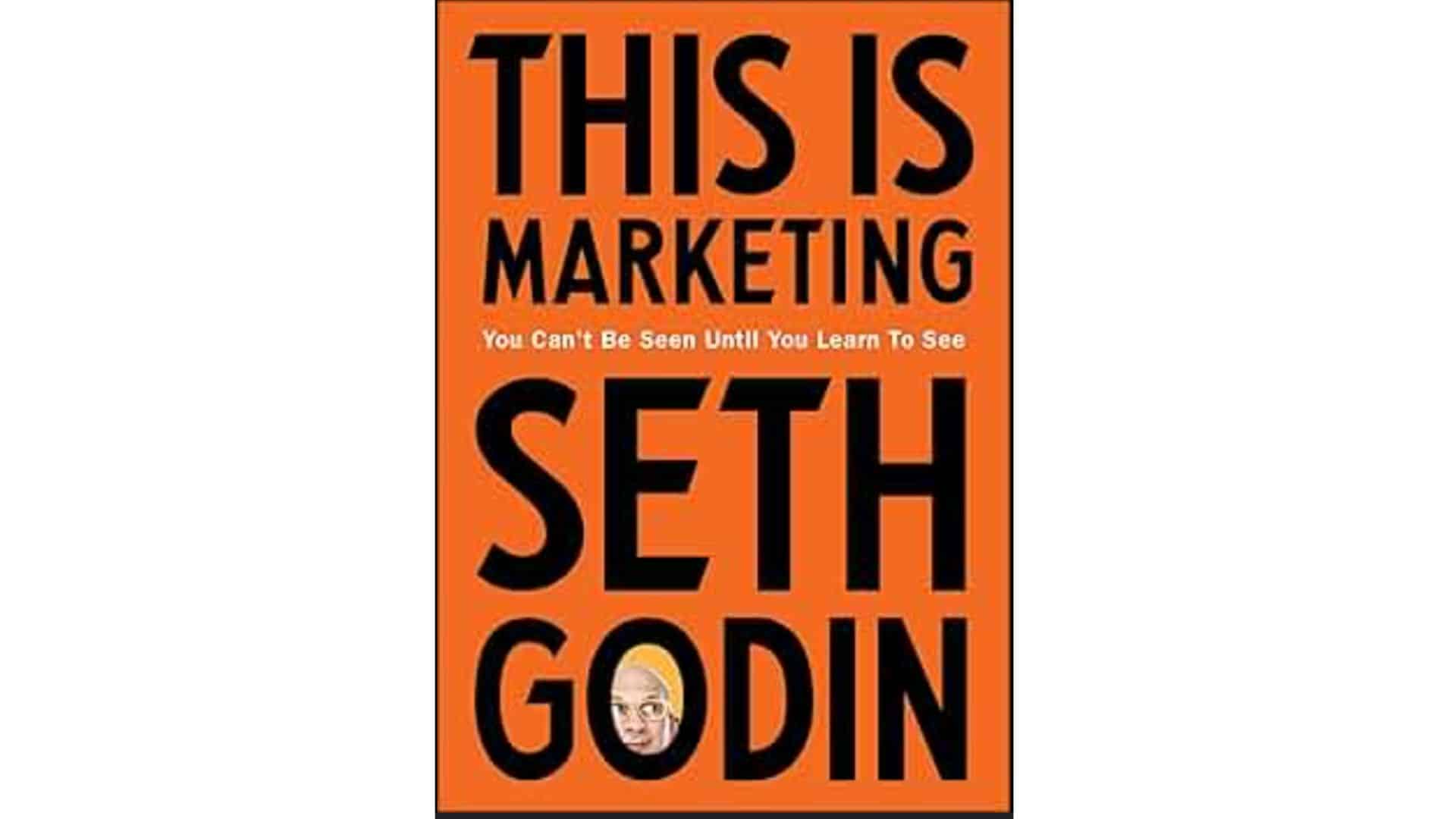
Seth Godin argues that marketing isn’t about interrupting people with ads. Real marketing is about serving people by solving their problems. You need to understand who you’re trying to reach and what change you want to make for them.
The book shifts focus from transactions to relationships. Godin explains how to build trust and earn permission to communicate. His approach feels more ethical and more effective.
Key takeaway: Find the smallest viable audience. Serve them so well that they tell others.
24. Positioning by Al Ries & Jack Trout
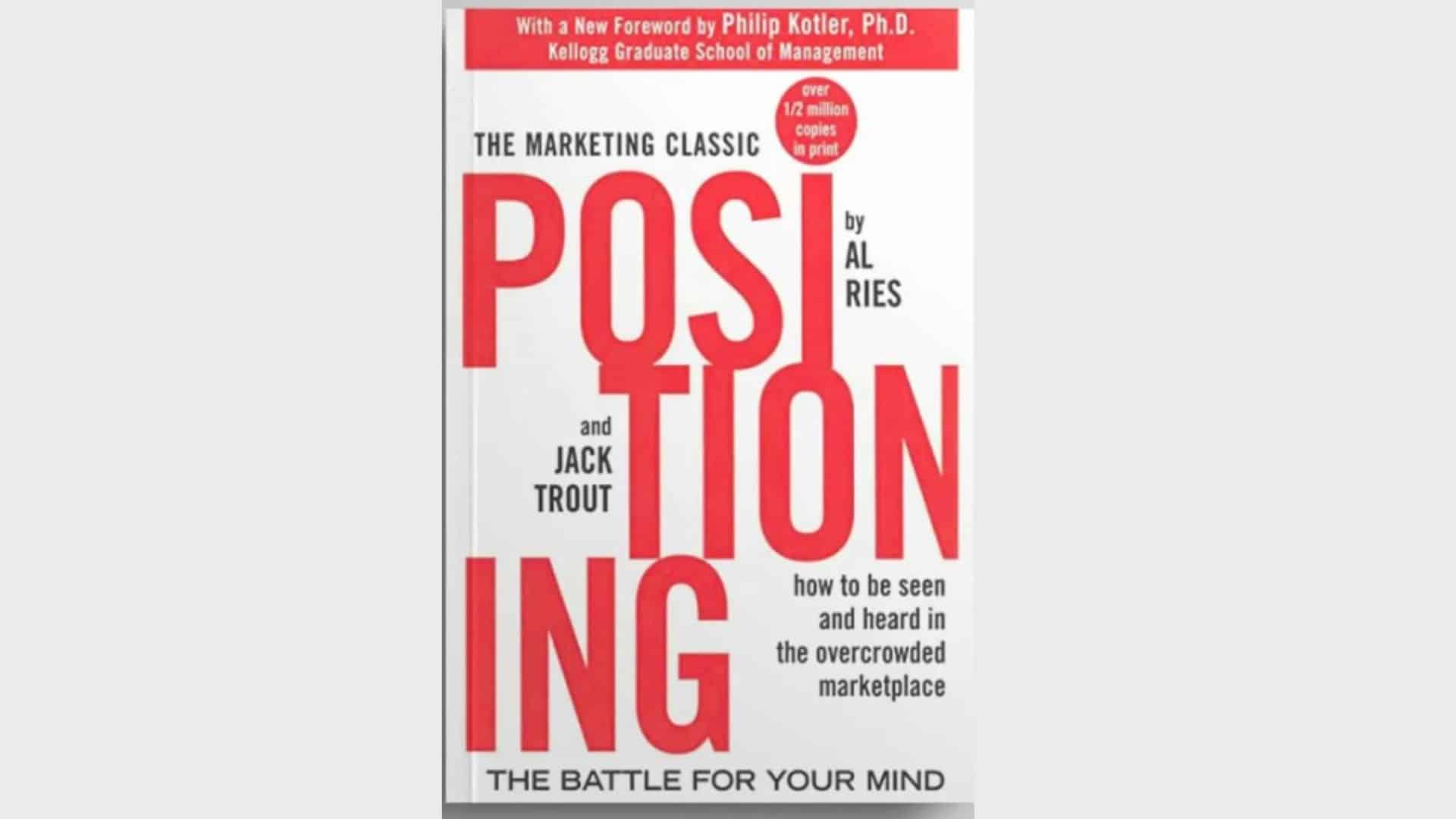
Al Ries and Jack Trout wrote this marketing classic in the 1980s, and it remains applicable today. The core idea: you need to own a specific position in the customer’s mind. If you try to be everything, you become nothing.
The book teaches you how to carve out a unique space. Ries and Trout use examples from major brands to illustrate what works and what fails. The writing is sharp and to the point.
Key takeaway: Be first in a category or create a new category. Own one word in the customer’s mind.
25. Sell with a Story by Paul Smith
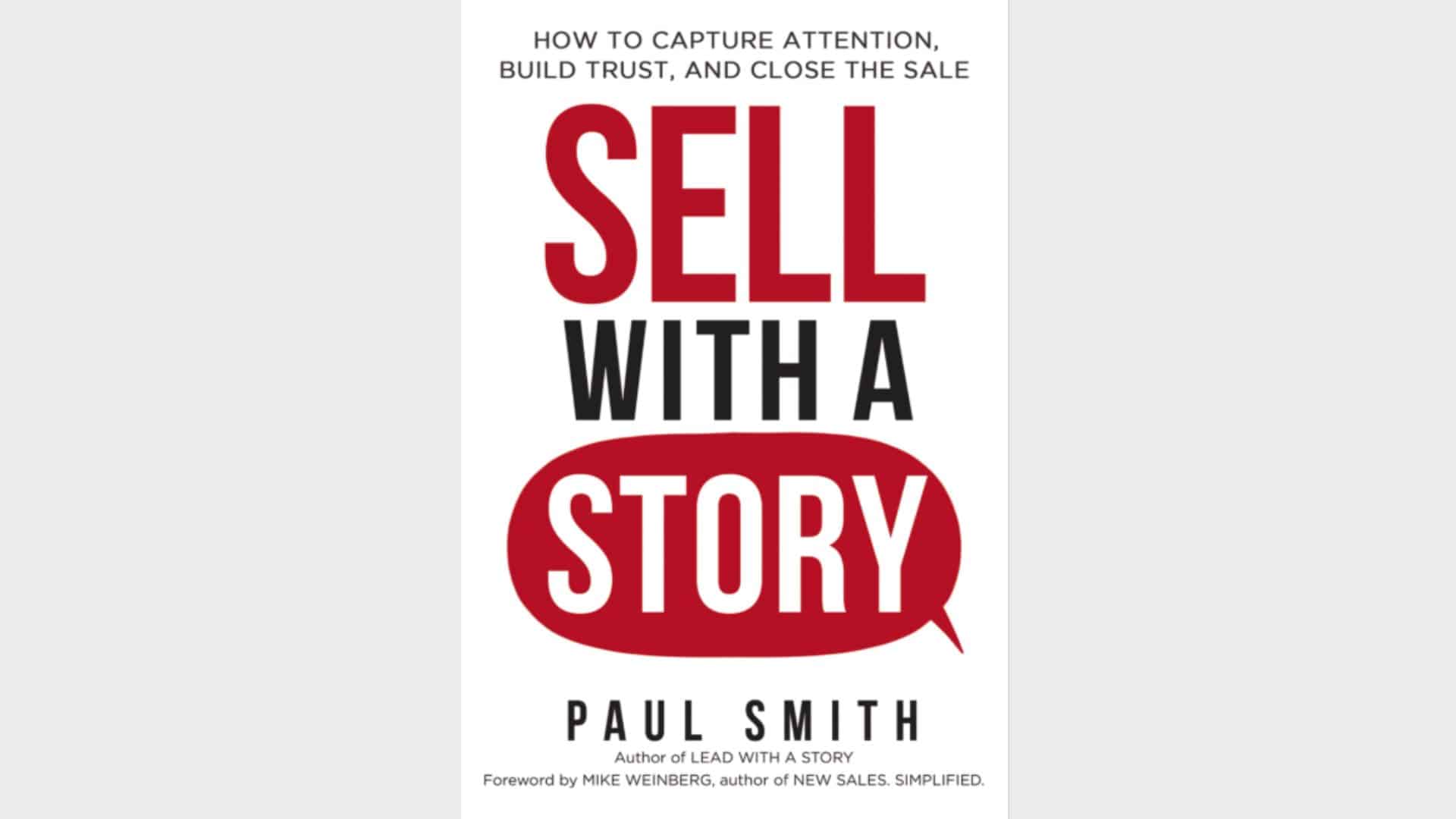
Paul Smith shows how storytelling improves sales and persuasion. Facts and figures don’t stick in people’s minds the way stories do. A good story creates an emotional connection and makes your message memorable.
Smith provides 25 types of sales stories, each accompanied by examples. You’ll learn when to use each type and how to structure them. The techniques work in presentations, pitches, and everyday conversations.
Key takeaway: Data tells, stories sell. Build a library of stories for different situations.
26. Leading Change by John Kotter
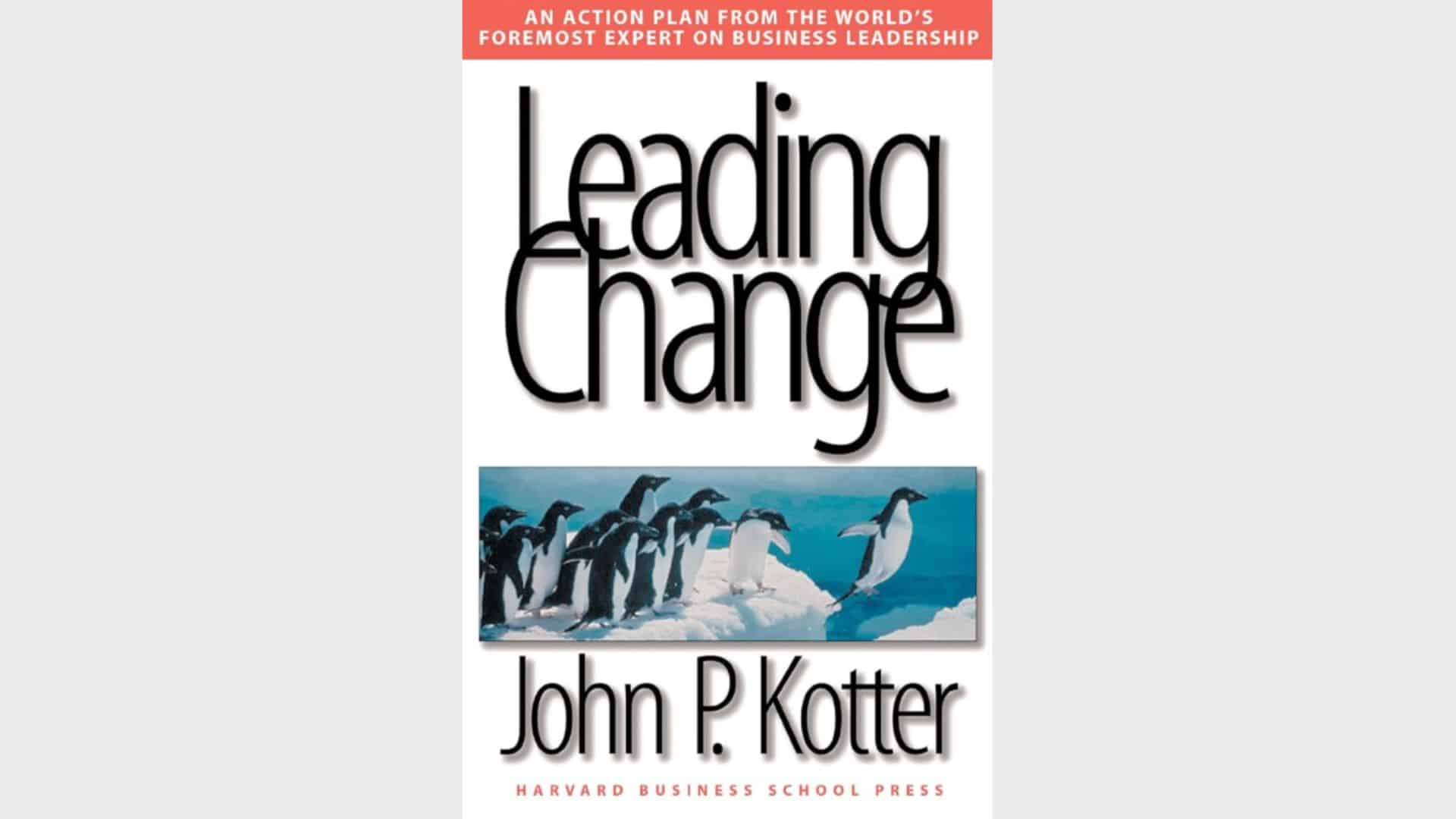
John Kotter studied organizations going through major shifts. He developed an eight-step process that works: create urgency, build a team, form a vision, communicate it, remove obstacles, create quick wins, keep pushing, and make it stick.
The book explains why change efforts often fail. Kotter shows how to avoid common traps. His process has been tested in companies around the world.
Key takeaway: Change fails without urgency. Build momentum with early wins.
27. Drive by Daniel Pink
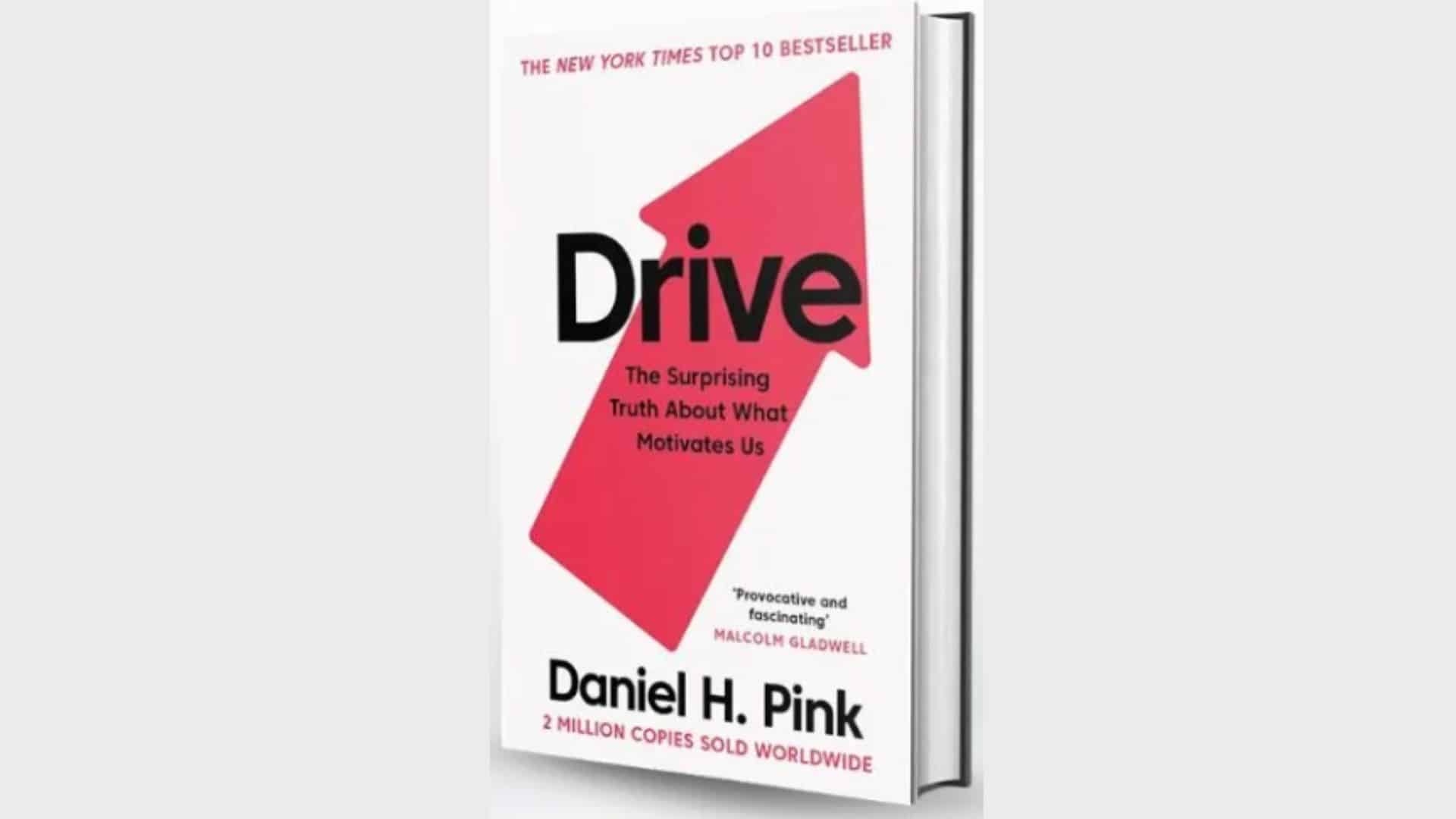
Daniel Pink challenges what we think we know about motivation. Money only works up to a point. For creative work, people need three things: autonomy, mastery, and purpose.
Pink backs his claims with research from psychology and business. He demonstrates how to create environments that enable people to do their best work. The book changes how you think about incentives.
Key takeaway: Control demotivates. Give people autonomy over their work and they’ll surprise you.
28. Radical Candor by Kim Scott
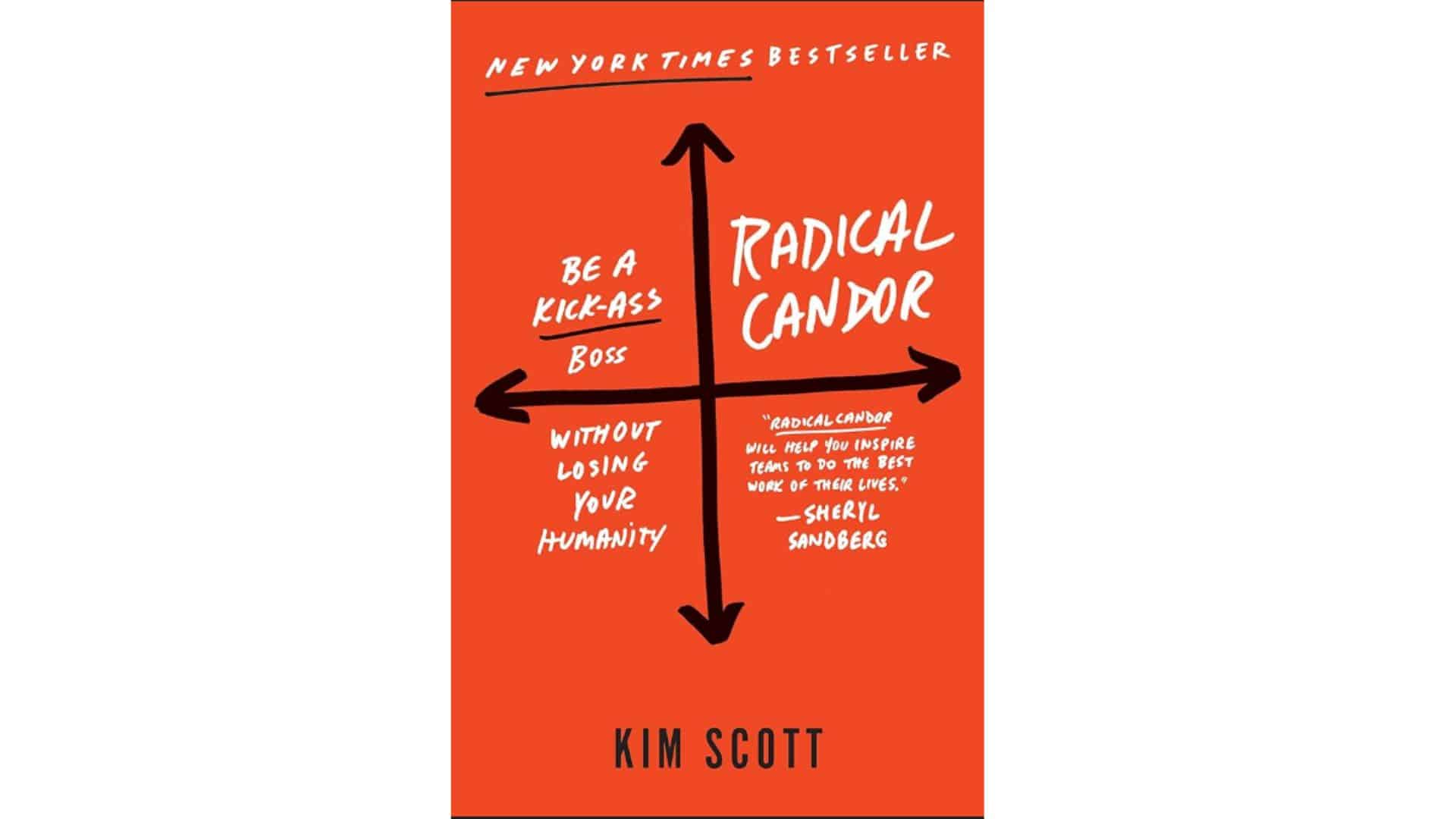
Kim Scott learned about management at Google and Apple. Her framework is simple: care personally and challenge directly. Most managers fail at one or both of these.
Scott uses stories to show what radical candor looks like in practice. She explains how to give feedback that helps people grow. The book makes management feel less mysterious.
Key takeaway: Saying nothing is worse than saying something hard. Feedback is a gift when delivered with care.
29. Team of Teams by Gen. Stanley McChrystal
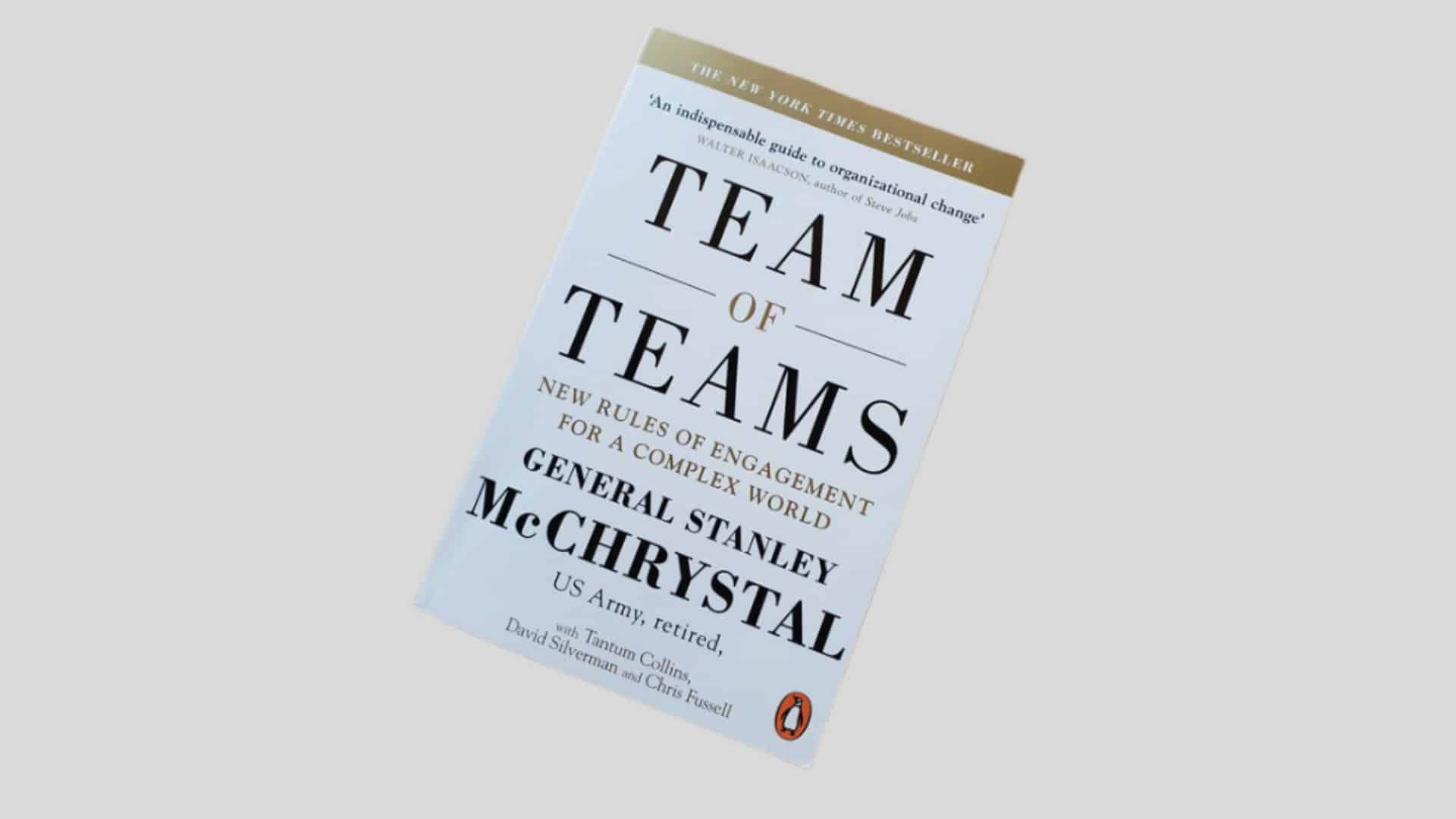
General Stanley McChrystal led special operations in Iraq. He realized that his traditional command structure couldn’t move fast enough. His solution: create many small teams that share information and adapt quickly.
The book demonstrates how to foster trust and flexibility within large organizations. McChrystal’s lessons apply beyond the military. You’ll learn how to break down silos and increase speed.
Key takeaway: Hierarchy slows you down. Build networks of small teams that can act fast.
30. No Rules Rules by Reed Hastings & Erin Meyer
Reed Hastings built Netflix with an unusual culture: high talent density, radical transparency, and very few rules. The company gives employees the freedom to excel.
The book explains how Netflix’s culture evolved and why it has been successful. Hastings is honest about the tradeoffs. This approach may not be suitable for every company, but it offers fresh thinking on how to organize work.
Key takeaway: Increase talent density, then remove controls. Freedom works when you hire well.
How to Choose the Right Book for Your Goals?
Not every book fits your stage; here’s how to choose what helps most right now.
- Personal Growth: Atomic Habits, Mindset, 7 Habits, Getting Things Done; build strong habits early.
- Entrepreneurs: Lean Startup, Zero to One, Rework, Hard Thing About Hard Things; learn to test, adapt, and lead fast.
- Leaders: Radical Candor, Drive, Good to Great, Effective Executive; master feedback and motivation.
- Strategists: Playing to Win, Blue Ocean Strategy, Measure What Matters, Team of Teams; think big and scale smart.
Pick what matches your journey, the right book now compounds your growth later.
Final Thoughts
You’ve just checked out the best business books of all time. Each one offers tested wisdom that can upgrade your work and leadership.
The best business books of all time share common threads. They focus on principles that remain constant, unaffected by trends. They’re based on research or real experience. They give you tools you can use right away.
Choose one to two books that match your current goals or challenges. Don’t try to read everything at once. Pick what serves your needs now. Come back for others later.
Reading alone won’t change anything. The real work happens when you close the book and apply what you learned.