
What happens when digital-native teens mix purpose, tech, and hustle?
They become successful entrepreneurs, reshaping the business world. Gen Z teens leverage platforms like Shopify to launch online stores, use TikTok and Instagram for viral marketing, and turn to Kickstarter to crowdfund new ideas.
These youth-led startups stand out by combining technology with strong social missions, solving real problems while building loyal, values-driven customer bases.
Support for young entrepreneurs has never been stronger; schools teach entrepreneurship, parents encourage business ventures, and incubators provide important resources.
With social media providing global reach, teen entrepreneurs now compete with major brands, proving that age is no barrier to business success in 2025 and beyond.
15 Successful Teen Entrepreneurs Who Are Changing the World
These young founders prove that age is just a number in business. Each story shows how Gen Z entrepreneurs turn simple ideas into million-dollar companies.
1. Mikaila Ulmer
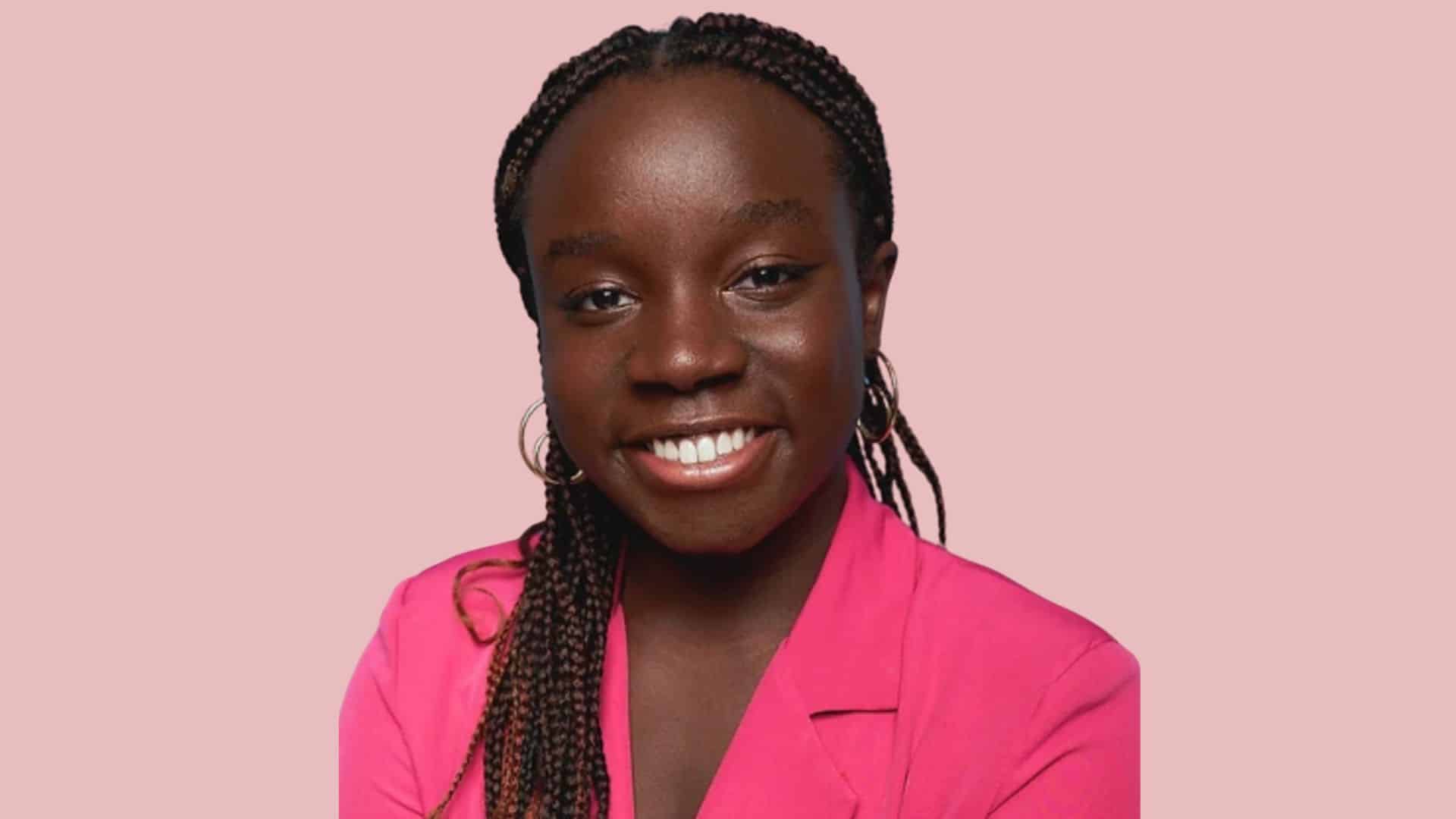
After being stung by bees at age 4, young entrepreneur Mikaila Ulmer developed a deep interest in bee conservation.
At 11, she launched Me & the Bees Lemonade, a mission-driven social enterprise using her great-grandmother’s flaxseed lemonade recipe, sweetened with local honey.
Her brand gained national attention after appearing on Shark Tank and is now sold in over 1,500 stores, including Whole Foods, Target, and Walmart.
Mikaila donates 10% of profits to organizations that protect bees and runs the Healthy Hive Foundation to support research and education.
Key Insight: Purpose-driven branding that solves a real-world problem builds loyalty, drives media attention, and creates lasting impact.
2. Rachel Zietz

At just 13, Rachel Zietz founded Gladiator Lacrosse after becoming frustrated with flimsy, expensive gear.
As a dedicated lacrosse player, she used her savings to create durable, affordable equipment tailored to real athletes’ needs.
Starting with rebounders and goal walls, her products quickly gained traction among competitive players.
Today, Gladiator Lacrosse earns over $2 million annually, with distribution across the U.S. and endorsements from pro athletes and college teams. Rachel’s success landed her on Shark Tank and major media outlets.
Key Insight: Solving problems from personal experience and focusing on product quality can help teen entrepreneurs dominate niche sports markets and build trusted athletic brands.
3. Alina Morse

At age 7, Alina Morse asked, “Why can’t candy be good for your teeth?” That question sparked Zollipops, a line of sugar-free, dentist-approved treats made with xylitol.
With help from her dad and family recipes, she launched at local events.
By her teens, Zollipops were on shelves in 25,000+ stores, including Walmart, CVS, and Whole Foods. The brand expanded to gums and taffies and earns $6M+ in annual sales.
Alina also created the Million Smiles Initiative, donating products to schools and spreading dental health awareness.
Key Insight: Solving parental pain points with kid-friendly products and aligning with health-conscious trends leads to mass retail success and loyal followings.
4. Moziah Bridges
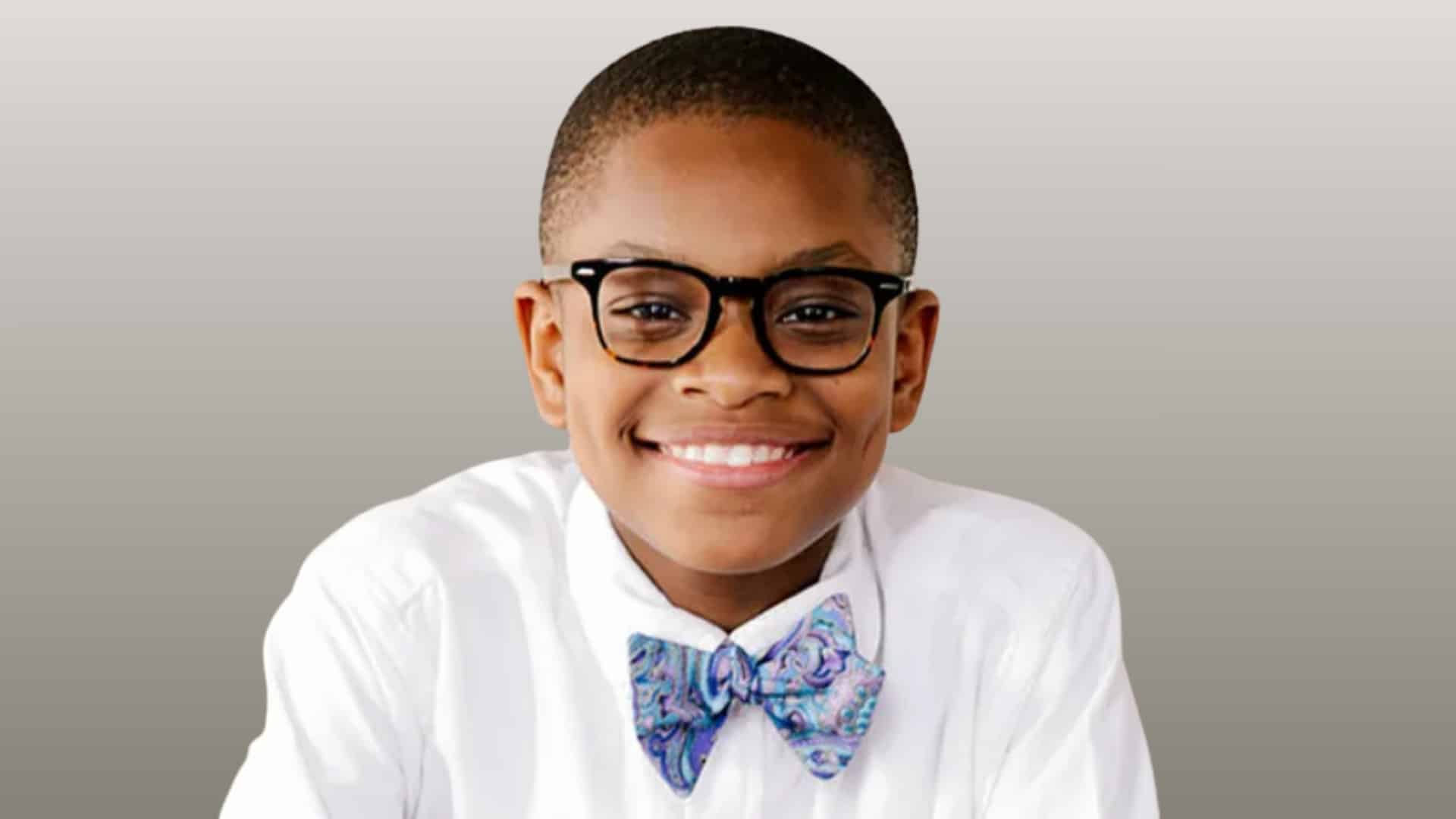
Moziah Bridges began crafting bow ties at age 9 after not finding stylish ones in stores.
Taught by his grandmother, he turned a creative hobby into Mo’s Bows, a handmade fashion brand.
His big break came after an appearance on Shark Tank at age 11, leading to mentorship from Daymond John and a licensing deal with the NBA’s Memphis Grizzlies.
His bow ties are now sold in national retailers and worn by celebrities. Moziah also launched a foundation to support young entrepreneurs.
Key Insight: A unique product, personal flair, and strong mentorship can turn creative teen ventures into nationally recognized fashion brands.
5. Erik Finman

At age 12, Erik Finman invested $1,000 of his birthday money into Bitcoin when it was just $12 per coin.
Despite skepticism, he dove deep into blockchain education and ignored early criticism.
By age 15, he became a crypto millionaire, later founding Botangle, a digital learning platform. He’s now a tech entrepreneur and youth mentor in blockchain and fintech.
Erik uses his story to encourage teens to pursue self-education and invest in future-facing industries.
Key Insight: Early adoption of emerging tech combined with self-learning can create huge opportunities for young investors in fast-growing industries like cryptocurrency.
6. Robert Nay

At just 14, Robert Nay taught himself coding using free online resources and created Bubble Ball, a mobile game that beat Angry Birds in the App Store within two weeks of launch.
With over 2 million downloads, his success proved that teens can create viral digital products without formal training or large budgets.
The game’s intuitive design and addictive gameplay made it a favorite across age groups.
Robert went on to build his own game studio, Nay Games.
Key Insight: Self-taught technical skills and simple, user-focused design can lead teen developers to viral success in competitive app markets.
7. Fraser Doherty

At 14, Fraser Doherty used his grandmother’s jam recipes to launch SuperJam, a 100% fruit jam brand in his kitchen.
By 16, he became the youngest supplier to UK supermarket Waitrose; soon after, SuperJam was stocked by Tesco, Asda, Morrisons and sold in thousands of stores across eight countries including Australia, Russia, Finland, and Ireland.
Fraser also started charitable programs like SuperJam Tea Parties for the elderly and community beehives in the UK and Korea.
He’s spoken at 500+ conferences in over 27 countries and authored bestselling books like SuperBusiness and The SuperJam Cookbook.
Key Insight: Building with authenticity and health‑conscious values, alongside scaling carefully from farmer’s markets to global shelves, helps young food entrepreneurs stand out in competitive markets.
8. Shubham Banerjee
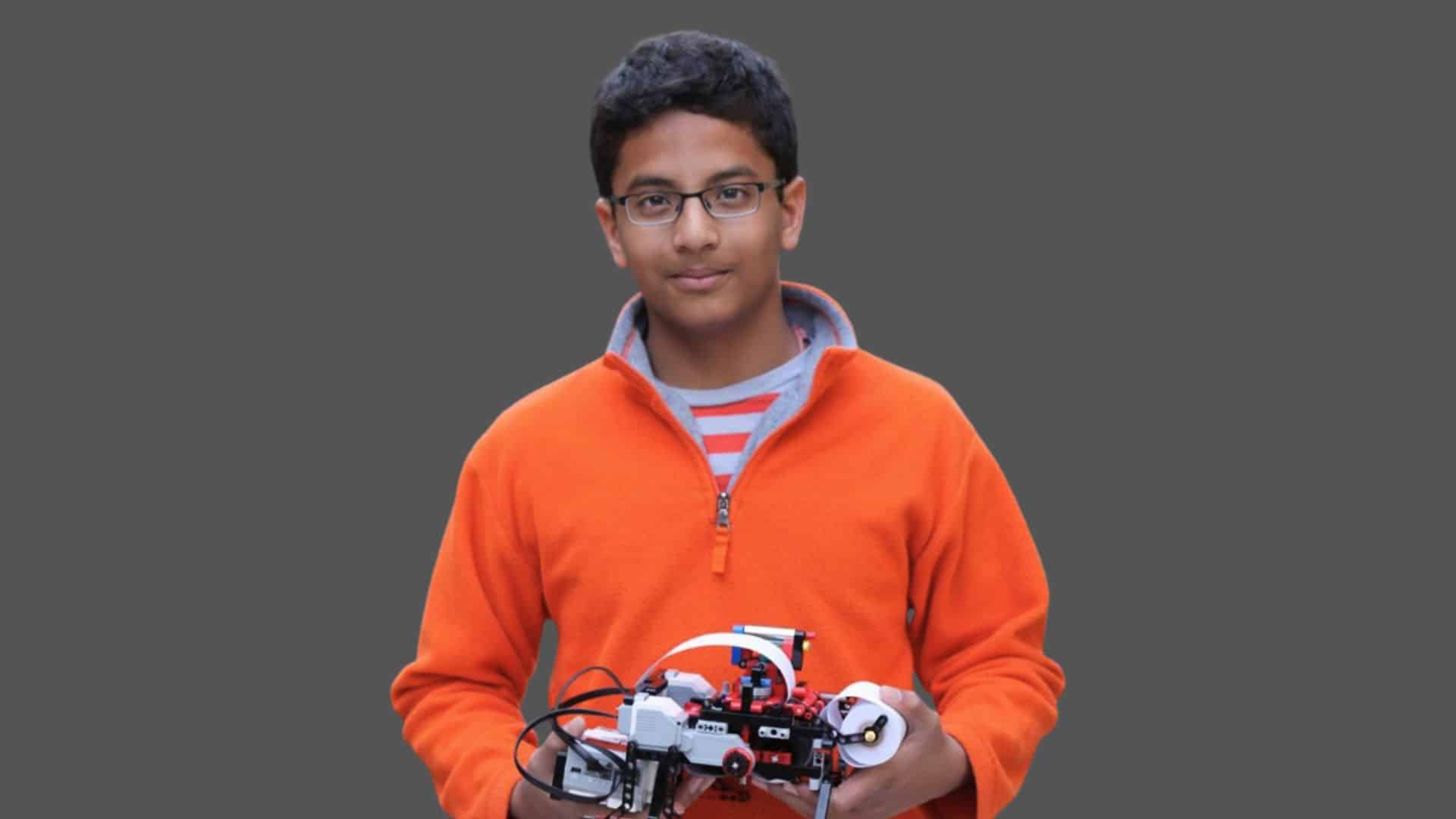
Shubham Banerjee, at age 12, used a Lego Mindstorms kit to create a low-cost Braille printer when he discovered existing models cost over $2,000.
His company, Braigo Labs, later caught Intel Capital’s attention and secured venture funding to improve design and usability.
His goal: a functional printer priced around US$350–500, making Braille more accessible globally, especially in developing countries.
He built multiple prototypes, iterated based on feedback, and stayed active in school while scaling his innovation.
Key Insight: Youth-led tech solutions that address accessibility gaps using affordable components and strong mentoring can disrupt expensive legacy products and reach broader audiences.a
9. Hillary Yip

Hong Kong-based Hillary Yip launched MinorMynas at age 10 to help children learn languages through peer-to-peer video chats.
Inspired by her own multilingual background, she built a safe, gamified platform where kids can practice with native speakers.
By 15, MinorMynas had users in 30+ countries and was recognized at global education conferences.
Hillary’s focus on child safety, parental controls, and real conversation made the app a trusted tool for modern language learning.
Key Insight: Building educational platforms that focus on real interaction, gamification, and safety helps young edtech founders tap into global learning markets.
10. Benjamin Kapelushnik

At 16, Benjamin Kapelushnik turned his sneaker obsession into Sneaker Don, a multimillion-dollar reselling business.
Starting with local classmates, he grew his operation to serve celebrity clients like DJ Khaled and NBA stars.
His deep knowledge of sneaker culture, savvy Instagram marketing, and access to limited editions helped him dominate the resale game.
Benjamin became a media fixture, proving teen entrepreneurs can lead in luxury and streetwear spaces.
Key Insight: Niche expertise combined with influencer marketing and exclusivity creates high demand and brand authority in youth-led luxury resale markets.
11. Anvitha Vijay

Anvitha Vijay began coding at just 7 and developed her first app by age 9.
Focused on education, her early apps taught math and science through fun, interactive games designed for children.
She became the youngest developer invited to Apple’s Worldwide Developers Conference (WWDC) and earned praise for designing with empathy and user understanding.
Her apps have been downloaded globally and used in classrooms.
Key Insight: Starting young and designing with the end user in mind gives teen developers an edge in creating meaningful, scalable educational tech solutions.
12. Catherine Cook

At 15, Catherine Cook co-founded MyYearbook, a teen-focused social networking site that became one of the biggest Facebook alternatives.
Created with her brother, the platform grew to millions of users, offering games, chat, and profiles tailored to high schoolers.
It eventually merged with MeetMe, going public and earning mainstream media coverage.
Catherine showed how understanding your peers’ needs can lead to mass-market digital success.
Key Insight: Creating niche platforms that solve generational needs can scale fast,especially when combined with smart features and user engagement strategies.
13. Josh Feinsilber

Josh Feinsilber created Gimkit, an interactive, gamified classroom quiz platform, as a high school project in 2017.
The app transformed traditional testing by allowing students to earn virtual currency for correct answers, utilize power-ups, and engage in creative game modes.
Teachers worldwide utilize Gimkit to enhance student engagement, monitor performance, and make learning an enjoyable experience.
The platform is known for its dynamic features and has expanded significantly since its launch.
Key Insight: Teen founders who build tools addressing real classroom frustrations, such as gamification, student feedback, and engagement mechanics, can create edtech products that both users and teachers can embrace.
14. Bella Weems

At 14, Bella Weems launched Origami Owl, a jewelry brand, using $350 she saved from babysitting plus matching funds from her parents, with the goal of buying a car.
She sold custom lockets and charms through “jewelry bars” at home parties and later mall kiosks.
Within just a few years, Origami Owl expanded into a direct‑selling company with tens of thousands of independent designers, expected revenues of around $250 million, and a strong presence across the U.S., Canada, and Puerto Rico.
Bella’s brand focuses on personalized, meaningful jewelry like “Living Lockets” that let customers tell their own stories.
Key Insight: When you marry a relatable goal with creative products and community‑led selling, you build something big, fast.
15. Jaylen Bledsoe

Jaylen Bledsoe founded Bledsoe Technologies at age 12, starting with small web design, photography, and consulting gigs.
Within a few years, he scaled the company to employ over 150 contractors globally and achieved about $3.5 million in revenue without quitting school.
His company moved from being a local startup to offering full-service digital consulting for small‑to‑medium businesses, including marketing, website, and app services.
Jaylen has won awards such as the Presidential Academic Excellence Award and is a frequent speaker on youth entrepreneurship.
Key Insight: Early hustle, diversified services, and scaling through quality work can grow a teen tech business into a serious player
The Future Belongs to Teen Entrepreneurs
These 15 young entrepreneurs prove that age is no barrier to building successful, impactful businesses. From mission-driven brands to cutting-edge tech ventures, Gen Z founders are reshaping industries with innovation and purpose.
Their success shows the power of combining passion, technology, and a strong support system.
As new trends like AI, sustainability, and social justice rise, today’s teens are uniquely positioned to lead the next wave of business disruption.
Ready to start your own journey? Take inspiration from these stories, leverage the tools available, and remember, bold ideas and persistence can turn any teen into a successful entrepreneur.