Starting a business with no money sounds impossible until you realize thousands do it successfully every year.
In 2024, 5.21 million business applications were submitted in the U.S., with many launched from kitchen tables by people with nothing but skills and determination.
The truth? You don’t need investors, loans, or savings to start. You need the right strategy, free tools, and willingness to trade time for capital.
This comprehensive guide shows exactly how to launch a profitable business without spending a dollar.
From validating ideas to landing first customers, you’ll discover actionable steps that turn zero budget into real revenue. Ready to stop waiting and start building? Let’s begin.
Is It Really Possible to Start a Business With No Money?
Yes, starting a business with zero capital is absolutely possible in 2025. In 2024, 5.21 million business applications were submitted in the U.S, with many entrepreneurs launching from their kitchen tables.
When we say “no money,” it typically means avoiding upfront inventory costs, skipping physical office rentals, and leveraging free digital tools.
Research shows that 78% of startups remain self-funded, using personal savings, proving that traditional funding isn’t essential.
However, expect trade-offs. You’ll invest significant time rather than cash, experience slower initial growth, and navigate a steep learning curve.
The best opportunities exist in service-based businesses, such as freelancing or consulting, in digital products, such as ebooks and templates, and in content creation with affiliate marketing.
The caveat: dropshipping requires careful cash flow management because you pay suppliers after customers place orders.
Success hinges on consistency, resourcefulness, and your willingness to trade time for capital as you build sustainable income streams.
Step-by-Step: How to Start With Zero Cash

Starting a business with no money requires strategic action, not wishful thinking; the secret lies in following a proven framework that transforms your idea into paying customers within days.
Step 1: Pick a Problem People Already Pay to Solve
The foundation of any successful zero-budget business starts with identifying problems that customers are willing to pay to solve. Real validation comes from observed behavior, not opinions.
Ask yourself three critical questions. Who experiences this problem regularly? How often does it frustrate them enough to seek solutions?
Your target problem must be among the top three most pressing issues your customers face. If people aren’t already allocating budgets to fix it.
Research shows 34% of startups failed due to a lack of product-market fit. They built products for markets that didn’t need them or weren’t willing to pay for them.
Start by interviewing 15 to 20 potential customers. Ask about their top business challenges right now, not about your solution idea.
Step 2: Validate the Idea Without Spending Money
Validation separates profitable ideas from expensive mistakes. Nothing confirms your product’s value more clearly than customers willingly exchanging money for it.
Create a simple pre-sell campaign through social media posts, direct messages to your network, or community forum announcements.
Use platforms like Google Forms for surveys, or create a landing page that explains your service and includes a “join the waitlist” call to action.
Check competitor reviews on platforms like Trustpilot to understand what customers want improved. This reveals gaps you can fill without any investment.
The general rule: pre-sell to at least 10 people if your service has a lifetime value under $1,000. Your minimum proof should be three to ten people willing to pay or book a discovery call.
Step 3: Create a “Tiny Offer” (MVP) You Can Deliver This Week
Your minimum viable product should solve one specific problem exceptionally well. An MVP is the version of a new product a team uses to gather the most validated learning about customers.
Focus on deliverable-based offers with concrete outcomes. Instead of promising vague improvements, specify exactly what clients receive.
Define three critical elements upfront. What’s the exact scope of work? What’s the realistic timeline for completion? What measurable outcome will the client achieve?
An MVP must allow customers to complete a whole task and provide a high-quality user experience. It cannot be half-built features.
Your tiny offer should be deliverable within one week maximum. This rapid execution builds momentum and generates testimonials quickly.
Step 4: Price for Early Traction (Without Undercharging)
Pricing sets the stage for how customers perceive your product and shapes your entire business model. Avoid the common trap of underpricing to win clients.
Value-based pricing refers to what customers believe your product is worth, not your production costs. Consider the transformation or outcome you deliver rather than counting hours worked.
Create a simple three-tier pricing structure: Basic, Standard, and Premium. Tiered packages let you cater to different customer types and maximize revenue opportunities.
Your Basic tier should cover costs plus modest profit. The standard tier reflects the actual market value with added features.
The premium tier includes premium service levels, faster delivery, and exclusive support.
Experts recommend reinvesting between 20% and 70% of profits back into your business once revenue starts flowing consistently.
Step 5: Find Your First Customers With $0 Marketing
Friends and family often become your first customers, and referral traffic converts at nearly 25%, compared to the average 1% conversion rate. Start with people who already know and trust you.
Craft a non-pushy warm network script: “I’m launching [service] and looking for a few beta clients. Would you be interested, or know someone who might benefit?”
Join local Facebook groups, LinkedIn communities, and relevant subreddits in your niche. Focus on providing value before selling, as communities strictly prohibit overt marketing.
Create a simple outreach checklist: identify 20 potential clients, send personalized messages highlighting their specific pain points, and follow up within three business days if there is no response.
Partner with complementary businesses for cross-promotion opportunities that cost nothing but expand your reach immediately.
Step 6: Deliver, Get Testimonials, and Build Referrals
Exceptional delivery creates testimonial opportunities. 77% of shoppers actively seek websites with ratings and reviews.
Ask for testimonials right after customers have a great experience, when positive feelings are fresh. Timing matters more than perfect wording when requesting feedback.
Use this simple ask-for-review template: “I’m thrilled you’re happy with [result]. Would you mind sharing a quick sentence about your experience? It helps other businesses like yours discover our work.”
Make it easier by asking specific questions, such as “What was the biggest change you saw after using our service?” rather than generic requests. Specific questions generate functional, detailed responses.
Create a basic “proof page” on your website or in a Google Doc that showcases three to five testimonials, including client names and results.
Step 7: Reinvest the First Profits (What to Buy First)
Most startups spend initial profits on reinvestment, and your company should be no exception. Strategic reinvestment accelerates growth more than saving every dollar.
Priority one: secure a custom domain and basic website. Experts recommend reinvesting 20% to 50% of profits strategically, starting with assets that generate immediate returns.
Priority two: invest in essential tools that save time or generate revenue directly. This includes scheduling software, payment processors, or client management systems that automate manual work.
Priority three: basic branding elements like a professional logo, consistent color scheme, and email signature create credibility.
Priority four: automation tools for invoicing, follow-ups, or social media posting. These systems work while you focus on delivering client results and finding new customers.
Free Tools to Run Your Business (Operations on a Budget)
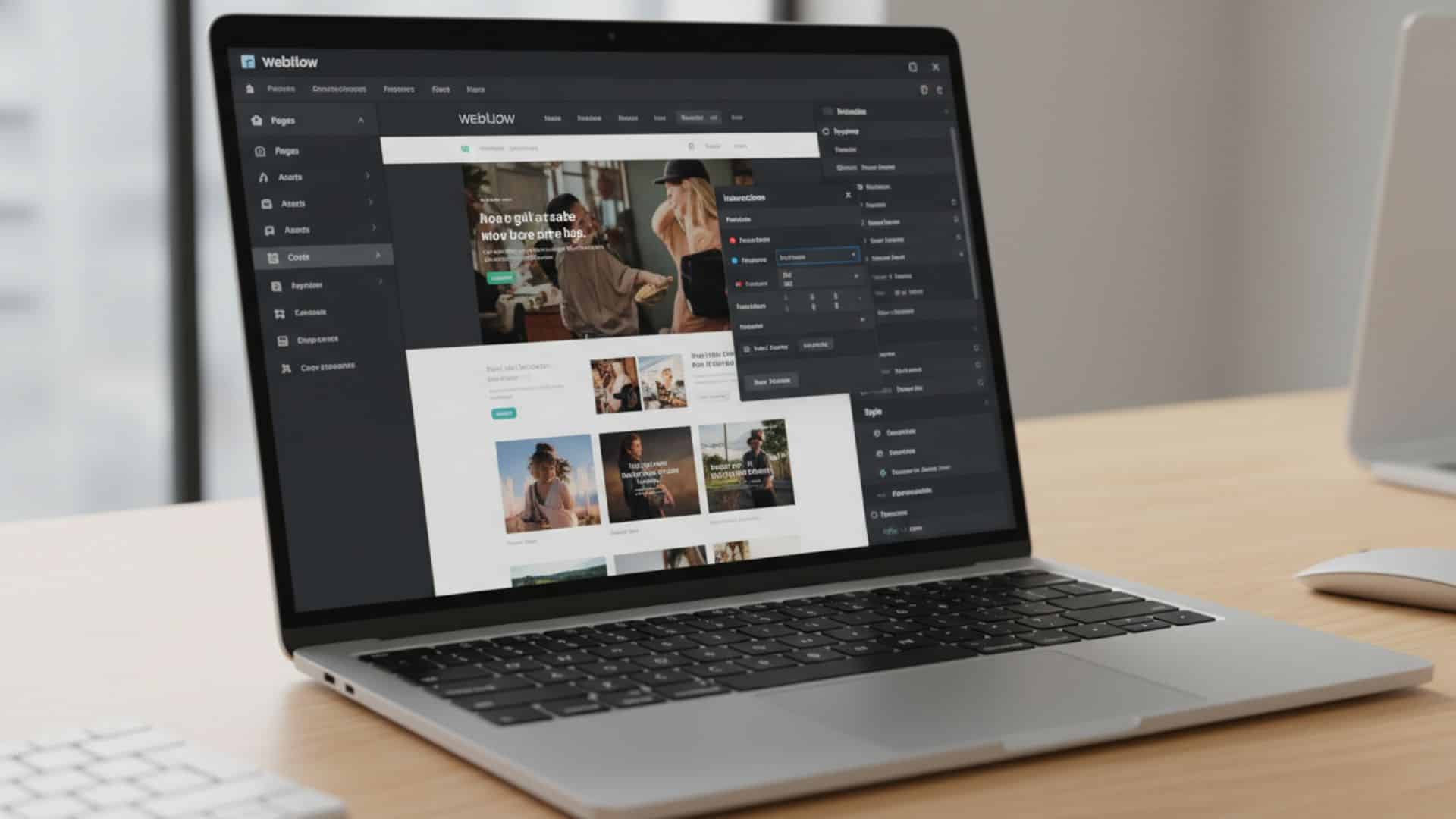
Running a business with no money means maximizing free tools without sacrificing professionalism. The right software eliminates manual work without monthly subscription costs.
Wix, Webflow, and WordPress.com lead as best free website builders in 2025 for ease of use and SEO features.
Square Online provides free website building with payment processing at 2.9% plus $0.30 per transaction. Carrd excels for one-page sites you can launch within hours.
Zoho Invoice provides free invoicing with real-time device syncing. Wave delivers unlimited professional invoicing at zero cost.
ProProfs Project allows five users to access all premium features including time tracking completely free. Notion offers unlimited pages on the free plan for extensive project tracking.
Be cautious with free contract templates. Proper contracts must define scope, deliverables, payment terms, and dispute resolution clearly. Generic templates often lack legal protections.
Simple spreadsheet templates for Excel and Google Sheets automatically calculate balances after each transaction, preventing tax-time chaos.
Common Mistakes When Starting a Business With No Money

Even with zero budget, entrepreneurs make costly strategic errors that derail success before generating first revenue.
Over 40% of small businesses fail because of lack of market need, often stemming from choosing saturated markets without differentiation.
Entering crowded spaces like “social media marketing” or “life coaching” without a specific niche angle makes customer acquisition impossibly expensive and competitive.
Founders often act as though they’ve achieved product-market fit before validating their product with real customers.
They invest time creating logos, websites, and brand materials before confirming anyone will pay. This backwards approach wastes weeks that could have been spent making first sales.
Scaling too early without stable cash flow and repeatable sales causes operations to collapse. 70% of startups scale prematurely.
93% of those never reach $100k monthly revenue. Master consistent delivery with your first five clients before expanding.
Spending too much money on things you don’t need runs businesses into the ground before getting started.
Taking loans or credit card debt before proving your business model amplifies pressure and limits pivoting flexibility when revenue disappoints initial projections.
Conclusion
Starting a business with no money is challenging but entirely achievable in 2025. Success hinges on choosing service-based or digital models, validating before building.
Leveraging free tools strategically, and avoiding premature scaling. 78% of startups remain self-funded using personal savings, proving traditional funding isn’t necessary.
Your biggest asset isn’t capital but your skills, consistency, and willingness to learn from mistakes. Start small, deliver exceptionally, reinvest profits wisely, and scale only after establishing repeatable systems.
The businesses thriving today often began exactly where you are now.
What’s stopping you from taking the first step? Share your biggest challenge or question in the comments below, and let’s problem-solve together!
Frequently Asked Question
What Is the Easiest Business to Start with No Money?
Service-based businesses like freelance writing, virtual assistance, dog walking, or tutoring require only existing skills, time investment, and determined hustle.
Why Do 90% of Small Businesses Fail?
Poor cash flow management, lack of market need, inadequate capital, premature scaling, and absence of solid business planning cause failures.
What Business Can Make $10,000 a Month?
Digital agencies, consulting, high-ticket coaching, SaaS products, specialized freelancing, e-commerce stores, and service businesses with multiple clients reach this revenue.
What Businesses Fail the Least?
Service businesses, accounting firms, healthcare practices, essential service providers, and businesses solving critical problems consistently have lowest failure rates historically.